Bajaj Chetak Production Slowed Due HRE Magnets Shortage, 47% Decline YoY In July 2025
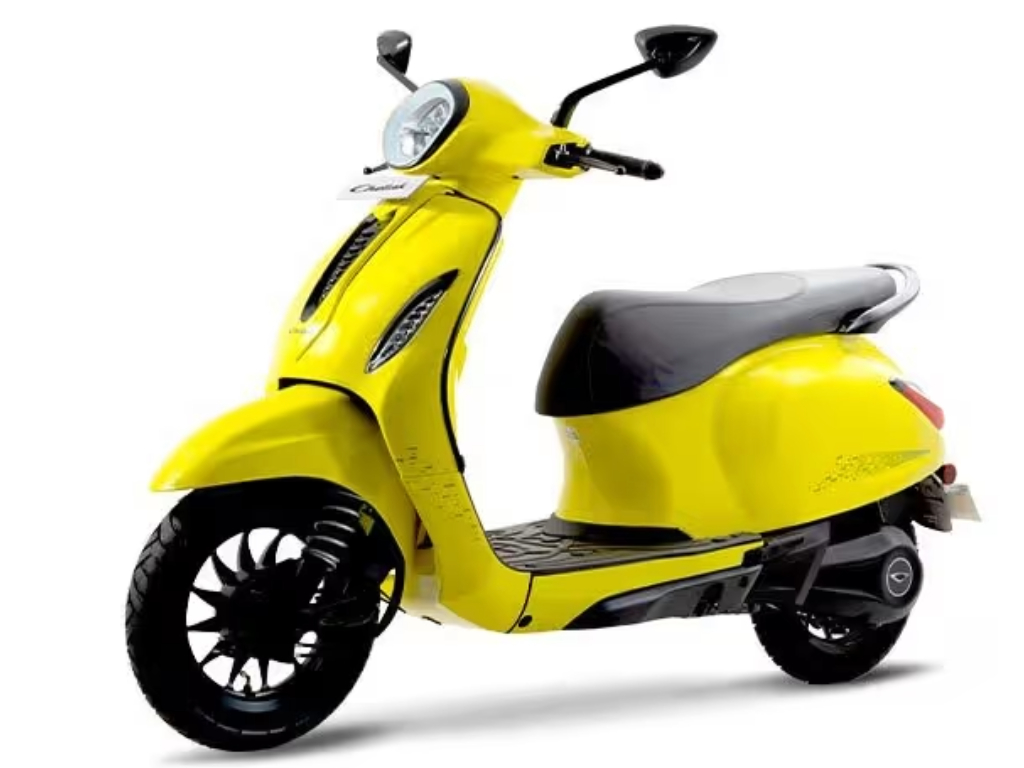
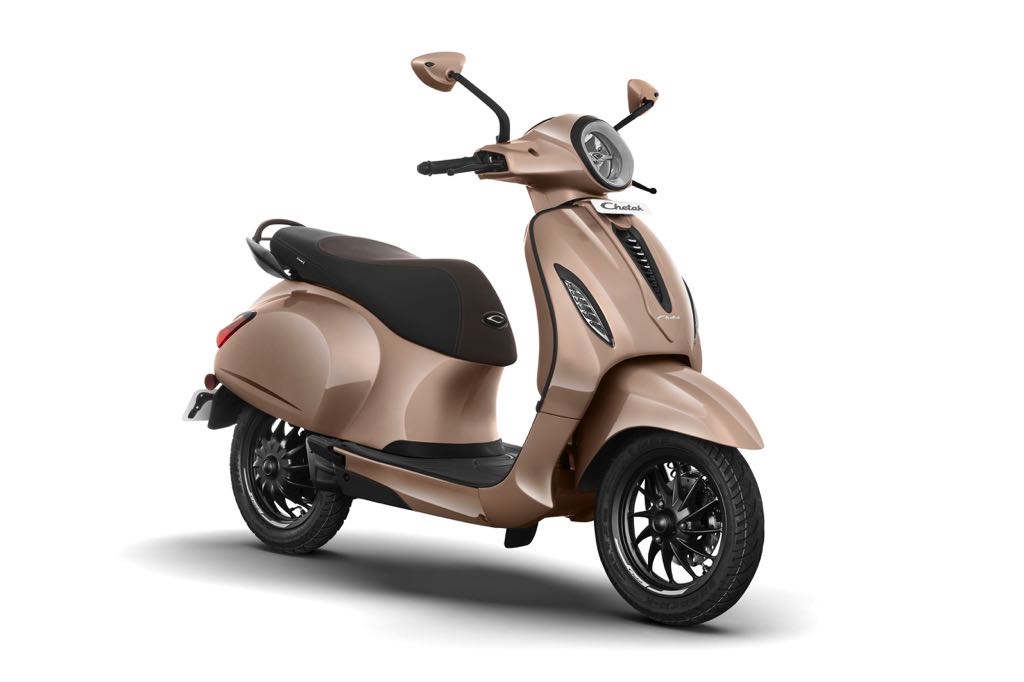
Bajaj Auto has reported a sharp decline in the production of its Chetak electric scooter, with output falling 47% year-on-year in July 2025. In July, the company produced just 10,824 units, a decrease from the 20,384 units manufactured last year. The slump has been attributed to the ongoing shortage of heavy rare-earth magnets sourced from China.
Month-on-month performance also paints a grim picture. Production in July dropped 41% from June’s 18,479 units, which was already 23% lower than May’s tally of 24,106 units. As output slowed, Bajaj saw a 42% year-on-year decrease in wholesales to dealers, dropping to 11,584 units from 20,114 units in July 2024.
This supply chain disruption, which Bajaj Auto had flagged earlier this year, is now materially affecting operations. The brand had warned in June that production could halve in July and potentially hit zero in August if supplies didn’t improve. Since then, Bajaj has confirmed that August output will recover slightly but will still only reach 50% to 60% of planned volumes.
Rare-earth magnets are vital for EV motors, generator systems, and LED lighting, making them critical to the electric scooter industry. Bajaj is currently exploring alternatives, including the use of light rare-earth magnets and new technologies that reduce dependence on these materials. Earlier, Bajaj had initiated localisation efforts, but the sudden tightening of Chinese supplies has forced it to delay the launch of its entry-level Chetak.
Effects On Market Competition
Interestingly, for now, Bajaj’s competitors have managed to avoid similar setbacks. TVS Motor Co. produced 23,742 iQubes in July, marking a 6% YoY rise. Ather Energy rolled out 16,148 scooters, up 45%, while Hero MotoCorp manufactured 11,314 Vida e-scooters, a 146% surge driven by the new Vida VX2. However, In its recent investor call, TVS has acknowledged that it too is working on alternate magnet technologies to reduce Chinese dependence.
Outlook
Customers could experience extended waiting periods for the Chetak in the months ahead due to Bajaj’s slowdown. Rivals like TVS, Ather, and Hero are currently sustaining growth, but the industry at large remains exposed to supply risks. If the shortage continues, the challenge may soon spread across India’s EV two-wheeler market, although Bajaj currently remains the hardest hit.