


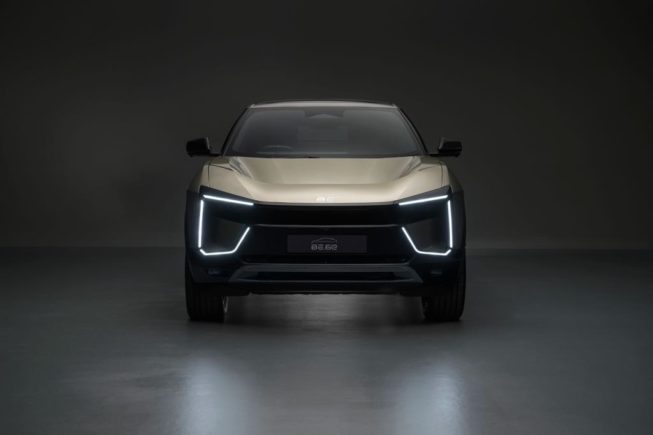


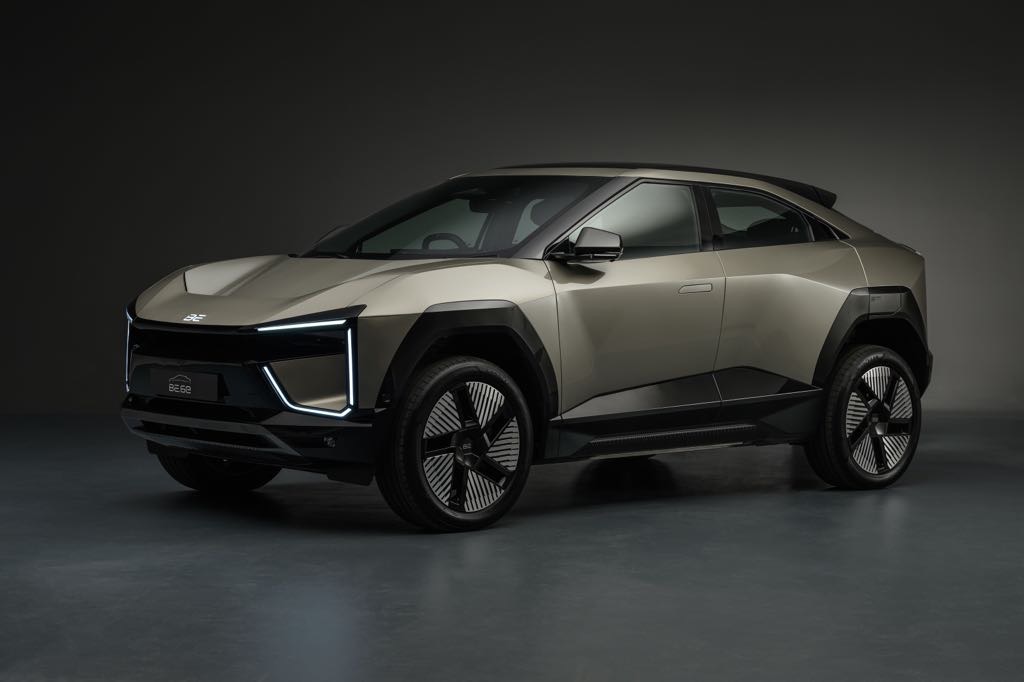
Mahindra rules out battery fault in BE 6 fire, blames tyre failure
Mahindra has released an official clarification regarding the recent BE 6 electric SUV fire near Gulaothi, an incident that circulated widely on social media and sparked safety concerns around EVs. The company’s findings indicate that the vehicle’s high-voltage components were not responsible for the fire.
Investigation and Key Findings
Following the incident, Mahindra conducted an on-ground inspection supported by data pulled from the BE 6’s onboard sensors and diagnostic systems. According to the manufacturer, the EV’s safety systems operated as intended, enabling all occupants to leave the vehicle safely and without injury.
The company reports that the event originated after the SUV was driven for more than ten minutes at around 60 km/h with a fully deflated rear right tyre. Despite repeated tyre-pressure warnings, the vehicle continued moving, causing the damaged tyre to produce excessive friction against the road. During this period, the ESC and traction control systems were attempting to manage wheel slip caused by the failing tyre. A high-temperature alert for the rear wheel was eventually logged.
Powertrain Components Not Involved
Mahindra says that analysis of bystander videos backed its conclusion that the fire started from the rear right tyre rubber. The company further noted that the high-voltage battery pack, electric motor and related systems remained intact and functional, with battery health metrics and individual cell voltages within normal limits throughout the incident.
In its statement, Mahindra emphasised that its EVs are engineered and validated for stringent safety standards. The manufacturer also urged users to respond promptly to in-car alerts, particularly those related to tyres and temperature, as they play a crucial role in preventing such situations.
Conclusion
With this explanation, Mahindra aims to address speculation linking the incident to an EV battery failure. The company maintains that the BE 6 fire was a tyre-induced event rather than an electric powertrain or battery system malfunction.