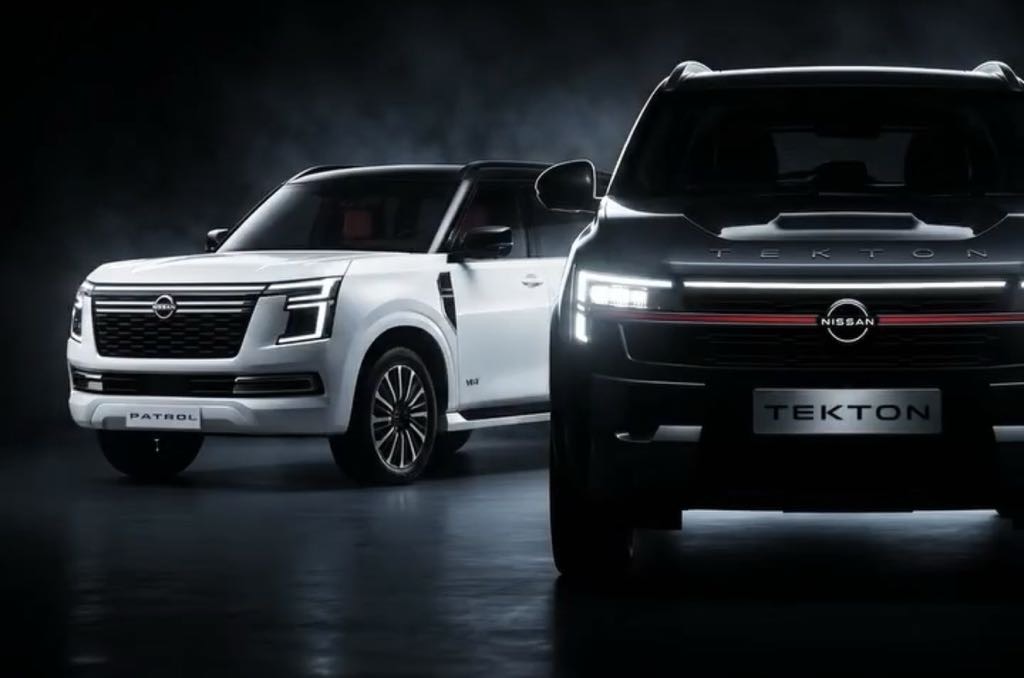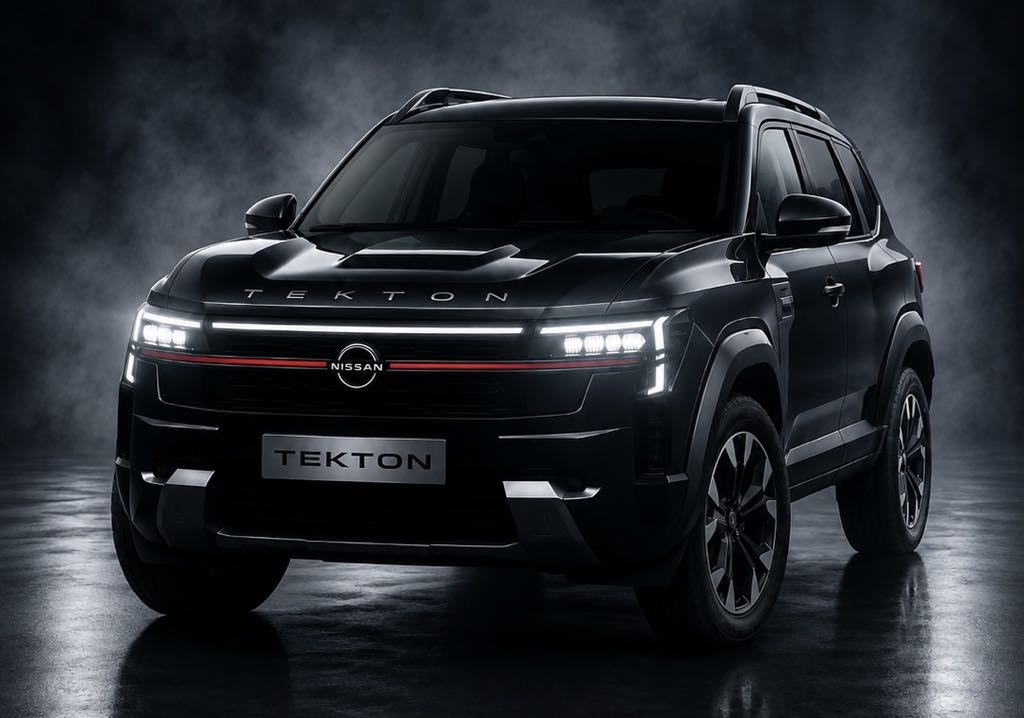

The upcoming Nissan Tekton is expected to share its platform and several mechanical components with the new Renault Duster but the two SUVs may not offer identical powertrain options. Nissan Tekton will not receive the strong-hybrid powertrain that is planned for the Duster later this year.
Instead, the Tekton is expected to be offered with the 1.0-litre and 1.3-litre turbo-petrol engines that will also be available on the Duster. Renault, meanwhile, is likely to introduce a 1.8-litre strong-hybrid powertrain on the Duster around the festive season, giving its SUV an additional option focused on fuel efficiency and urban driving.
The decision is understood to be part of Renault’s product strategy for India, with the company looking to retain the hybrid system as a distinguishing feature for the Duster. This would allow Renault to create greater separation between the two closely related SUVs in the competitive midsize SUV segment.
The move also reflects the evolving relationship between Renault and Nissan in India. Since Renault acquired Nissan’s stake in their Indian manufacturing joint venture, the French automaker has taken a larger role in local product planning, engineering and manufacturing. Nissan continues to benefit from shared platforms and production facilities while developing its own products based on Renault’s architecture.
The Duster’s hybrid powertrain is expected to be supplied by Horse Powertrain, the joint venture formed by Renault, Geely and Aramco. The company is also expected to localise production of the hybrid system in India as demand for electrified vehicles gradually increases.
While the Tekton may miss out on a hybrid option, Nissan is expected to differentiate the SUV through styling and positioning. The design is said to draw inspiration from the larger Nissan Patrol, giving it a more upright and rugged appearance than the Duster.
Pricing could also play an important role in the Tekton’s market strategy. Industry expectations suggest Nissan could position the SUV below the Duster, with a wider range of variants to attract buyers looking for a more affordable midsize SUV. Along with its distinct styling, Nissan is likely to rely on its brand image and reputation to carve out a place in the segment despite not offering a strong-hybrid powertrain.