

Ola and TVS plan ferrite motor shift to reduce rare-earth dependency
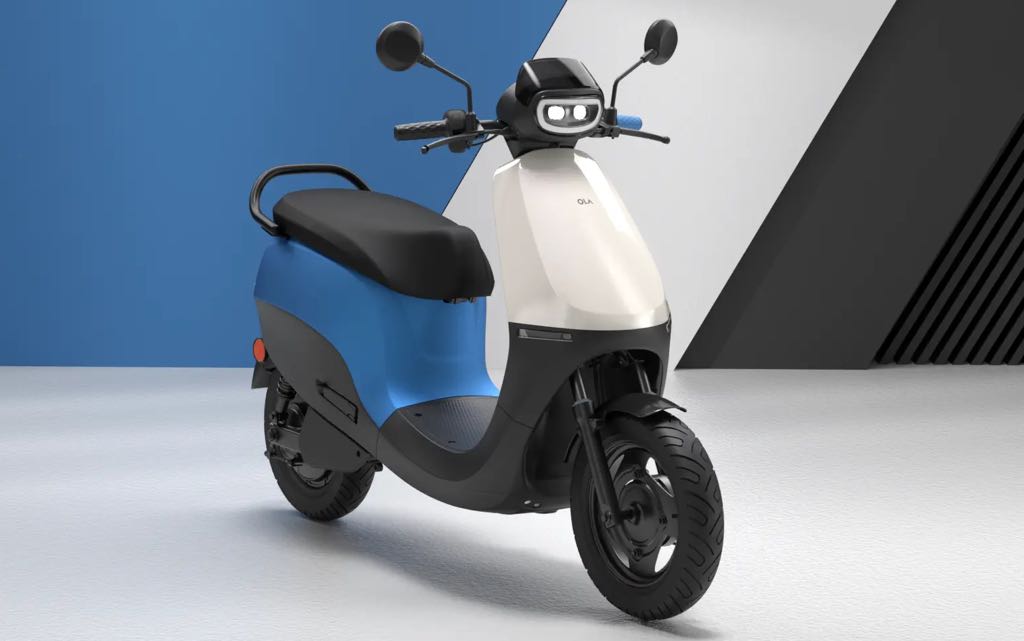
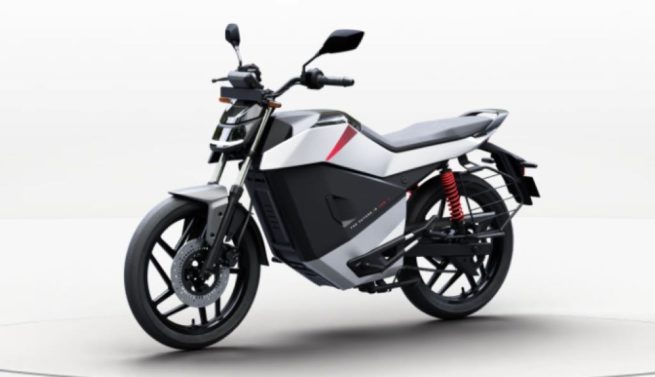
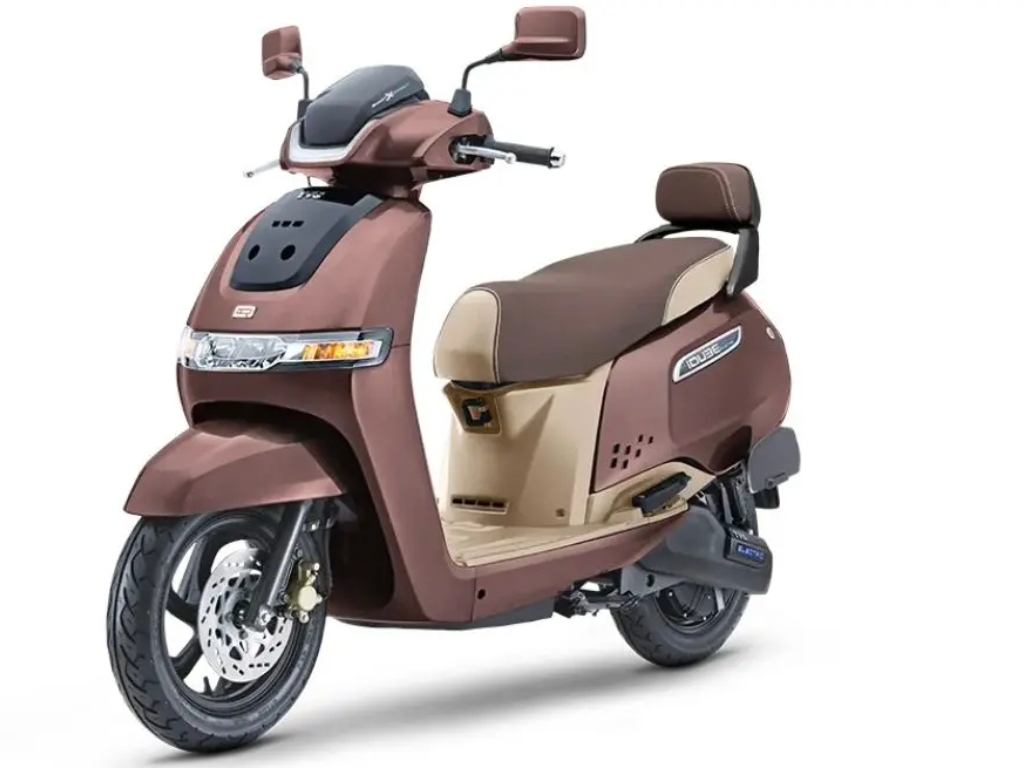
Indian electric two-wheeler manufacturers Ola Electric and TVS Motor are reportedly working on new motor technologies that utilise ferrite magnets, as part of an industry-wide effort to reduce reliance on rare-earth materials. This move comes amid increasing global concerns over rare-earth supply security and costs.
Ola Electric is collaborating with international partners to develop next-generation ferrite-based motors. These motors are being redesigned to deliver high efficiency and performance, aiming to match or closely replicate the output of motors currently powered by rare-earth magnets.
TVS Motor is also said to be exploring similar ferrite motor solutions. While the company has not publicly confirmed its plans, sources suggest that development is underway, in line with broader efforts to identify more sustainable and locally sourced alternatives.
A white paper by the Automotive Research Association of India (ARAI) has emphasised the importance of creating customised magnet solutions tailored to domestic needs. The paper highlighted opportunities for Indian manufacturers to strengthen in-house capabilities by working with new suppliers and refining motor designs.
Globally, several traditional automotive players have already integrated ferrite magnets into internal combustion engine models. Companies like Bosch have used them in certain electric motor applications, demonstrating their potential for mainstream adoption, according to ARAI.
While ferrite magnets offer cost and supply-chain advantages, including wide global availability and less vulnerability to geopolitical tensions, they come with trade-offs. Their magnetic strength is lower than that of rare-earth magnets, potentially impacting vehicle torque and efficiency. They are also more susceptible to performance drops at high temperatures.
Ola Electric had earlier stated that the rare-earth materials it uses are sourced from regions outside China, including Southeast Asia and Europe. The company noted that its preference for standardised magnet designs has allowed more flexibility in sourcing and adapting to evolving technologies.
As India’s electric mobility sector expands, the shift to ferrite-based motors could mark a key transition toward more resilient and domestically sustainable manufacturing.