Renault plans Duster-inspired compact SUV to expand India lineup
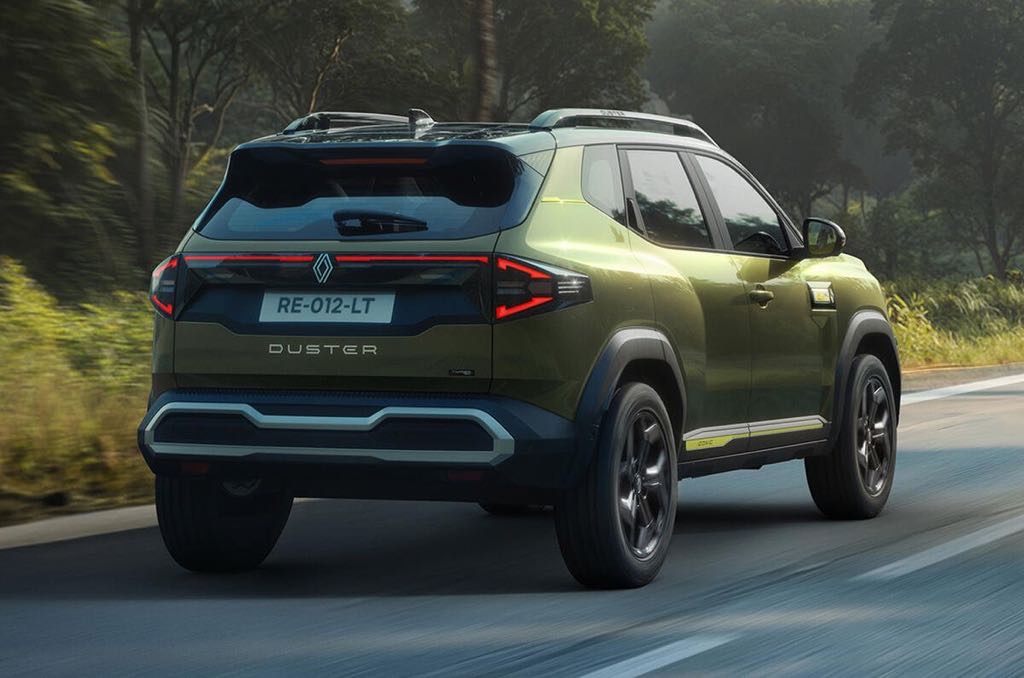
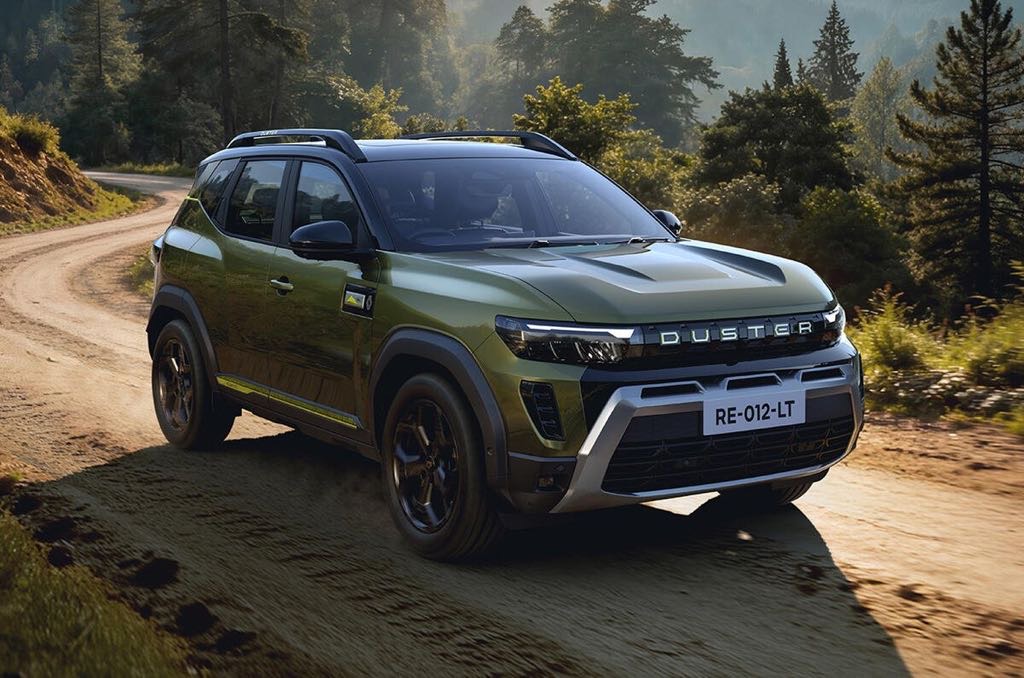
Renault is evaluating a new compact SUV for India that would draw strong visual inspiration from the Duster, effectively creating a smaller, more rugged alternative in the sub-4-metre segment. The model is expected to follow the upcoming three-row derivative of the Duster and would become the brand’s second offering in the compact SUV category.
The move signals Renault’s intent to widen its portfolio in India rather than rely on a single high-profile launch. The company has indicated plans to maintain a steady cadence of new products, targeting roughly one major introduction each year.
Renault already operates in the subcompact SUV space with the Kiger but the proposed model would not replace it. Instead, it would target a different aesthetic and buyer preference. While the Kiger leans toward a crossover-like design with a sloping roofline, the new SUV is expected to adopt a more upright and squared-off stance, echoing the visual identity that made the original Duster popular.
Senior Renault leadership has acknowledged internal discussions around such a product, suggesting that the idea aligns with broader brand strategy. The emphasis would likely be on a tougher SUV look, with features such as pronounced body cladding, chunkier wheels and a boxier silhouette aimed at appealing to buyers who prefer a traditional SUV form.
Mechanically, the compact SUV is expected to share components with the Kiger to manage costs. The familiar 1.0-litre turbo-petrol engine paired with manual and CVT gearbox options is a probable choice, though final specifications remain unconfirmed.
The new SUV is still in an early stage and is not expected to arrive immediately. Current indications suggest it would be introduced only after Renault launches the larger, seven-seat Duster derivative. This places the smaller SUV’s likely arrival around 2027 or 2028, depending on development pace and market conditions.
Offering multiple vehicles in the same size class is becoming a common strategy among manufacturers. Brands are increasingly using varied styling and positioning to capture different buyer groups within the high-volume compact SUV segment.
Recent tax revisions have also renewed industry focus on smaller vehicles, strengthening the business case for expansion in this category. For Renault, pricing competitiveness will depend heavily on localisation levels and production efficiencies, particularly in a segment where value perception strongly influences purchasing decisions.
If approved for production, the mini Duster would represent Renault’s attempt to combine the brand recognition of its iconic SUV nameplate with the pricing and size advantages of the sub-4-metre class.