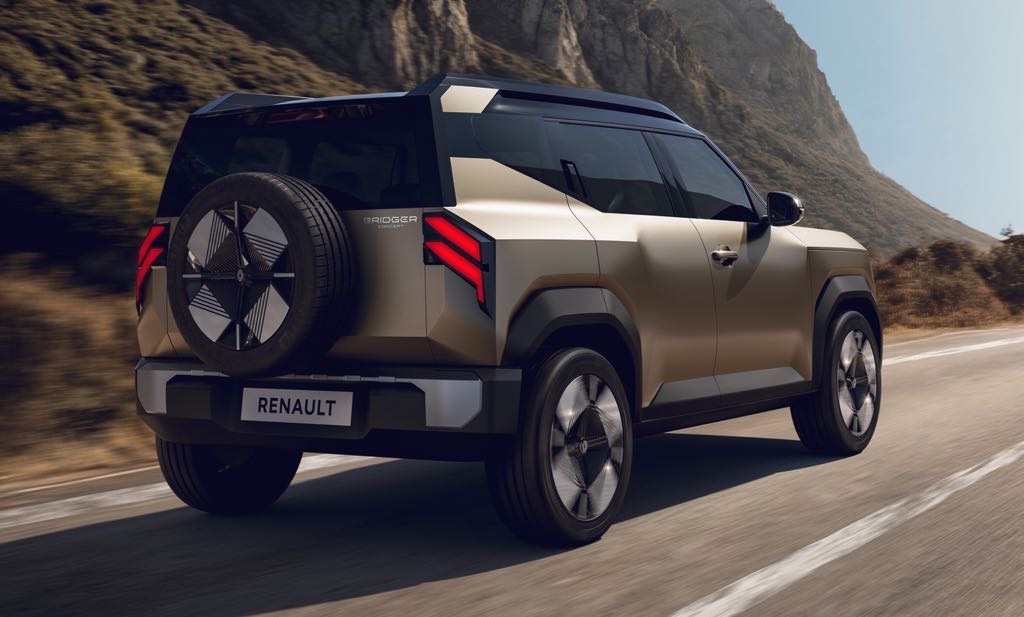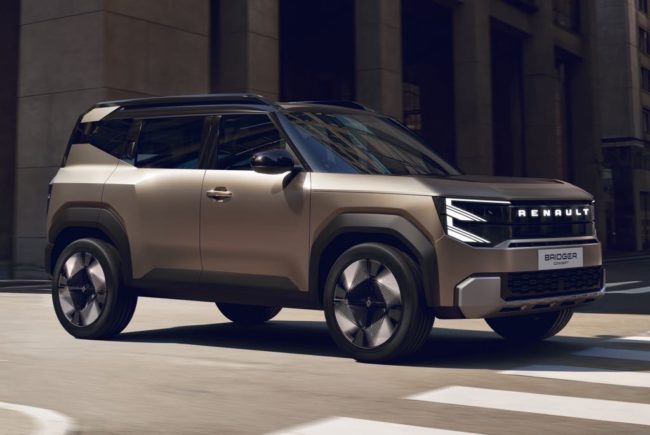


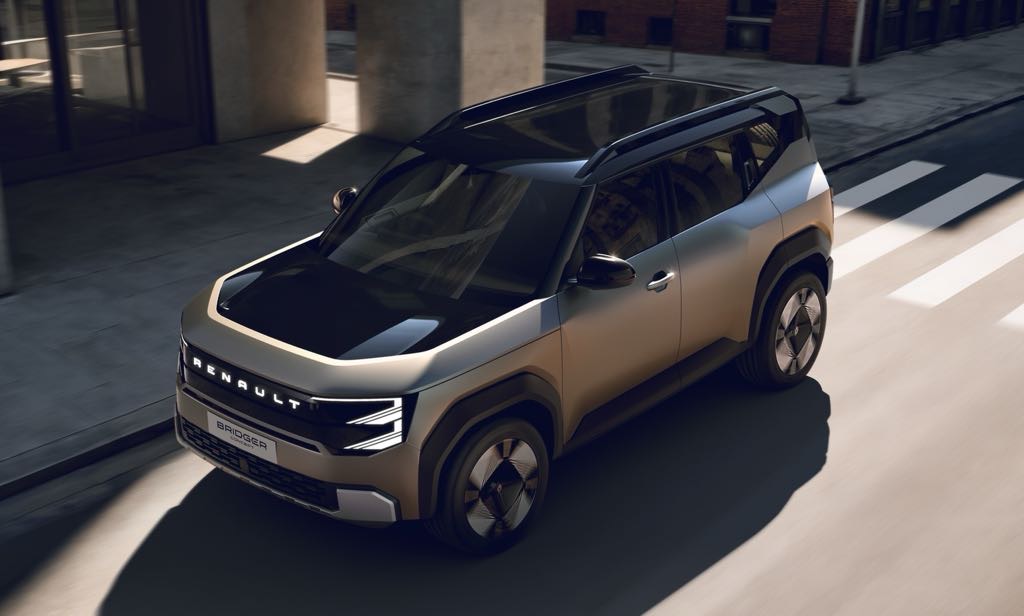
Renault is developing a new 1.2-litre petrol engine for its upcoming compact SUV, the Renault Bridger, which is expected to play a key role in the brand’s revival strategy in India. The model is slated for launch by the end of 2027 and will be positioned alongside products like the Renault Duster in Renault’s refreshed portfolio.
The new engine will be a four-cylinder turbo-petrol unit derived from the Duster’s 1.3-litre turbocharged motor. By reducing the stroke, Renault aims to bring displacement below 1.2 litres, allowing the Bridger to qualify for India’s sub-4 metre tax benefits. This could help the company price the SUV more competitively in a highly price-sensitive segment.
A key difference from the Duster’s engine will be the use of a multi-point fuel injection (MPFi) system instead of direct injection. While MPFi is generally less complex and more cost-effective, it also makes the engine easier to adapt for alternative fuels such as CNG. In fact, the Bridger’s underlying platform has reportedly been designed to accommodate CNG powertrains from the outset, and a factory-fitted CNG variant is expected to be part of the lineup.
In its turbocharged petrol form, the new engine is likely to deliver around 120 HP, placing it in line with other offerings in the compact SUV space. Renault is also expected to introduce a naturally aspirated version of the same engine, which could serve as a more affordable entry-level option.
Beyond conventional petrol and CNG variants, Renault is planning a broad powertrain strategy for the Bridger. Hybrid and fully electric versions are also under consideration, reflecting the brand’s intent to cater to a wide range of buyers. Notably, there are no plans for a diesel engine, with the hybrid variant potentially positioned as an alternative for customers seeking efficiency comparable to diesel-powered models.
The diversified approach could help Renault compete more effectively against established rivals such as the Tata Nexon, which currently offers multiple fuel options including petrol, diesel, CNG and electric. With CNG accounting for a growing share of passenger vehicle sales in India, the availability of a factory-fitted option could also play an important role in driving volumes for the Bridger.