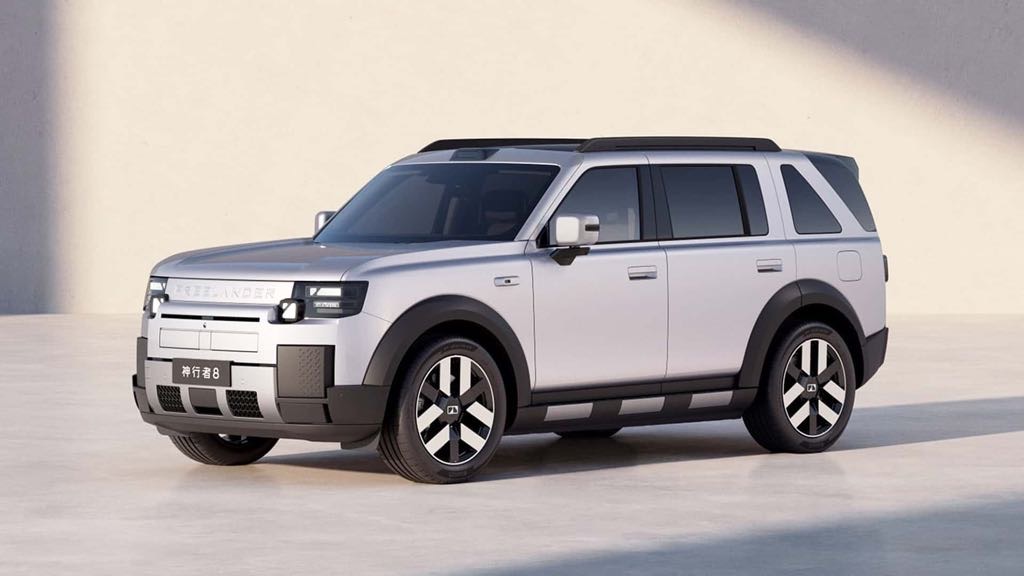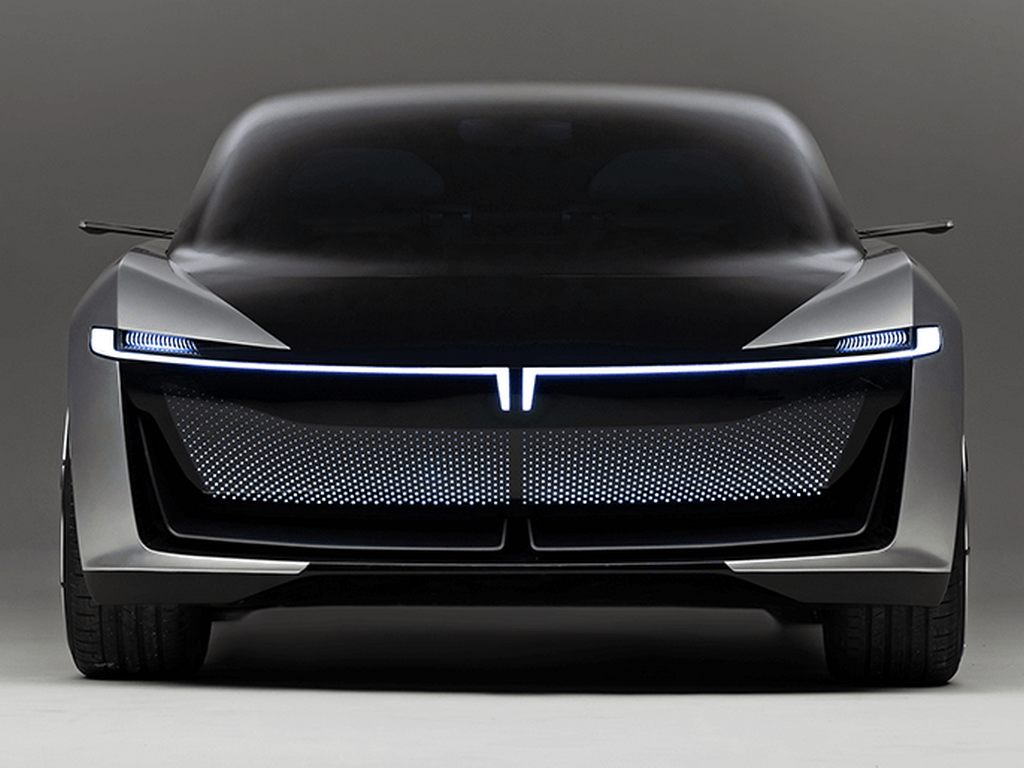
Tata Motors has revised the technology roadmap for its upcoming Avinya electric vehicle portfolio, with future models set to utilise an EV platform derived from the Freelander architecture developed within the Chery-JLR ecosystem. The move is expected to support faster product development while helping the company balance costs and scalability.
The first production vehicle under the updated strategy is expected to be the Avinya X, which is currently under development and targeted for launch in 2027.
The Avinya programme was originally expected to draw heavily from Jaguar Land Rover’s Electrified Modular Architecture (EMA). However, industry sources indicate Tata Motors has opted for an alternative route, citing cost and business viability considerations for the planned product positioning and expected volumes.
By adopting the Freelander-based architecture, Tata Motors gains access to an established electric vehicle platform while focusing its own resources on software development, localisation and customer-focused technologies.
Although the core platform originates from the Chery-JLR ecosystem, Tata Motors is reportedly adapting key vehicle systems for local requirements. This includes work on electronics, software integration and market-specific engineering solutions.
Engineering teams across India, the United Kingdom and China are understood to be involved in the development process as the company prepares the platform for its premium EV ambitions.
Battery specifications for the first Avinya models are still being finalised. Industry estimates suggest battery capacities could range between 65kWh and 80kWh, aiming to strike a balance between driving range, performance and cost.
While Tata Group’s battery venture, Agratas, remains central to the company’s long-term electrification plans, initial Avinya models may rely on existing battery suppliers before local production scales up.
The Avinya project reflects the increasing cooperation between Tata Motors and Jaguar Land Rover across multiple areas, including engineering, electrification and software development. The collaboration is expected to extend beyond individual vehicles as both companies explore shared technologies and manufacturing efficiencies.
In addition to the Avinya X, Tata Motors is reportedly evaluating a larger three-row electric SUV as part of the broader Avinya lineup. The long-term objective appears to be establishing Avinya as a dedicated premium EV brand with multiple products across different segments.
Manufacturing of the first Avinya model is expected to take place at Tata Motors Passenger Vehicles’ facility in Panapakkam, Tamil Nadu. Industry sources suggest the Chennai-Ranipet manufacturing ecosystem could play a significant role in supporting future production and localisation efforts.
Tata Motors has stated that Avinya will be developed as a global premium EV brand, leveraging scalable architectures, in-house engineering expertise and collaborations with JLR and its technology partners.