Toyota expects diesel to remain relevant in larger SUV segments beyond 2027
Toyota expects diesel engines to remain relevant in India beyond 2027, at least in segments where customer demand continues to favour the fuel. According to Sabari Manohar, Group Head – Customer Service at Toyota Kirloskar Motor, diesel still plays an important role in larger SUVs and certain MPVs, even as the wider industry moves towards hybrids and electrification. “There are hardcore fans for diesel,” he noted, emphasising that demand persists in use cases where torque, long-distance ability and ruggedness are valued.
Diesel Strategy Beyond 2027
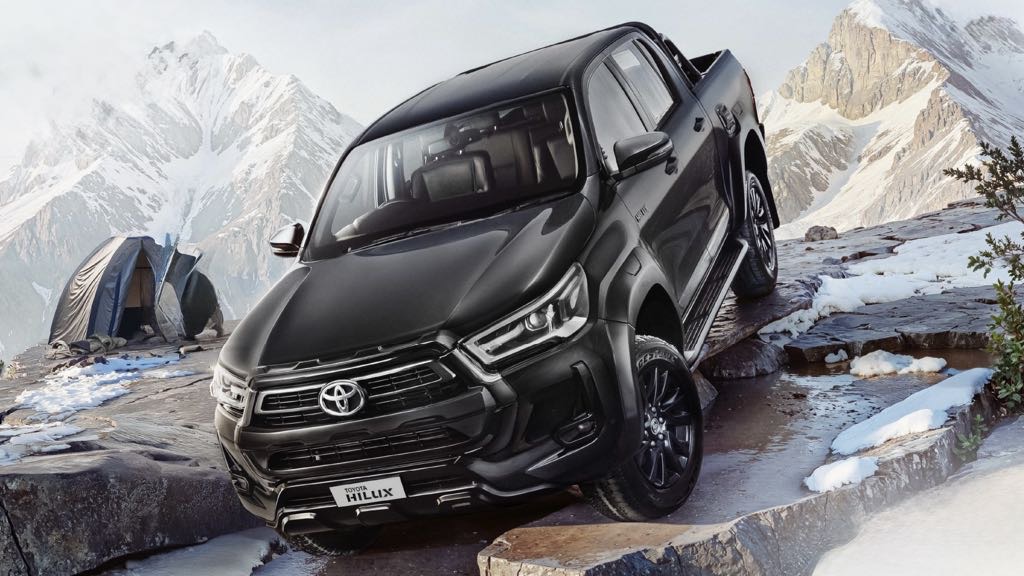
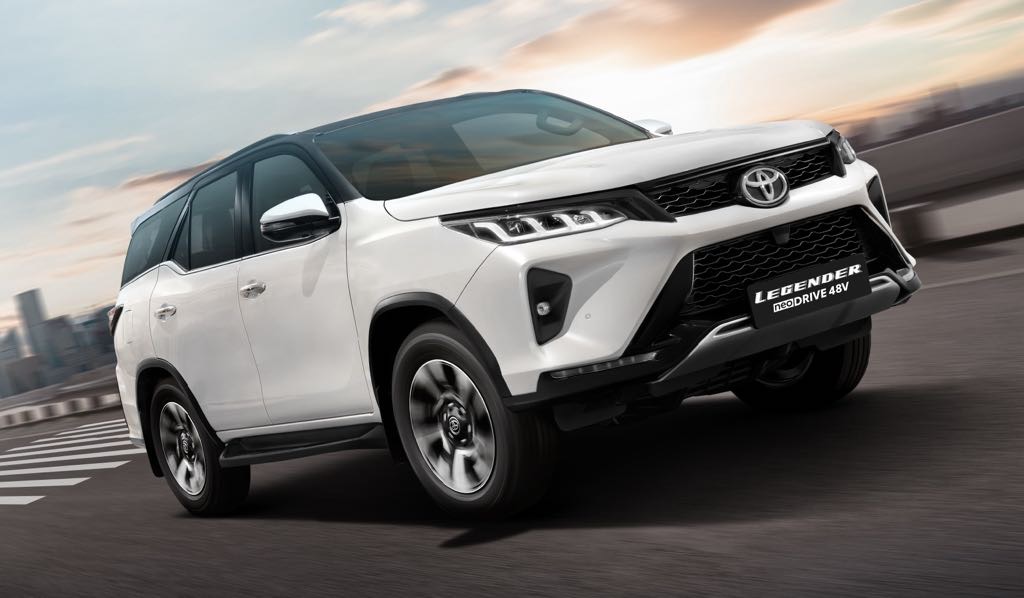
Manohar indicated that Toyota’s 2.8-litre diesel engine — offered in products like the Fortuner and Hilux — will remain part of the brand’s portfolio beyond 2027. He suggested that while the regulatory environment is tightening, Toyota would not support abrupt transitions away from established powertrain technologies, favouring a phased approach aligned with customer expectations.
Impact of CAFE 3 Norms
The upcoming CAFE 3 norms, expected to take effect around 2027, will influence Toyota’s product decisions. The Innova Crysta will be discontinued that year, effectively ending production of the brand’s 2.4-litre diesel engine. Notably, the Crysta was originally scheduled to exit closer to 2025, but production was prolonged due to sustained demand and semiconductor-related constraints affecting the Innova Hycross.
Post-Crysta, Toyota’s diesel lineup in India will focus on its larger 2.8-litre unit, while the company expands its hybrid offerings. Toyota has already introduced a mild-hybrid Fortuner internationally and sells the Innova Hycross with a strong-hybrid setup in India. These hybrid models benefit from regulatory “super credits,” helping the brand balance CO₂ averages under CAFE 3.
Diesel Demand Trends
Despite predictions of a sharp diesel decline, market data indicates demand hasn’t disappeared uniformly. Diesel’s share of total passenger vehicle sales rose modestly from 17.93% in 2024 to 18.33% in 2025, mainly driven by midsize and premium SUVs like the Hyundai Creta and Toyota Fortuner. Toyota notes that demand varies across regions, customer occupations and usage patterns, and that hybrid, ICE, and diesel currently coexist with healthy interest.
Manohar stressed that policy direction will influence how quickly powertrain mixes shift, adding that Toyota favours a calibrated transition rather than sudden exits. “We have good demand for hybrids, good demand for ICE, and we hope to create a good demand for EV as well,” he said, suggesting that consumer behaviour, regulatory clarity and infrastructure will collectively shape the speed of change.