VIDA Should Work On Network Expansion For Continued Success
Hero MotoCorp’s electric brand VIDA has achieved a breakthrough by crossing 10,000 sales in July 2025. This milestone highlights how VIDA scooters are gaining acceptance in the competitive electric two-wheeler market. However, experts now warn that prioritising network expansion is essential to sustain this momentum.
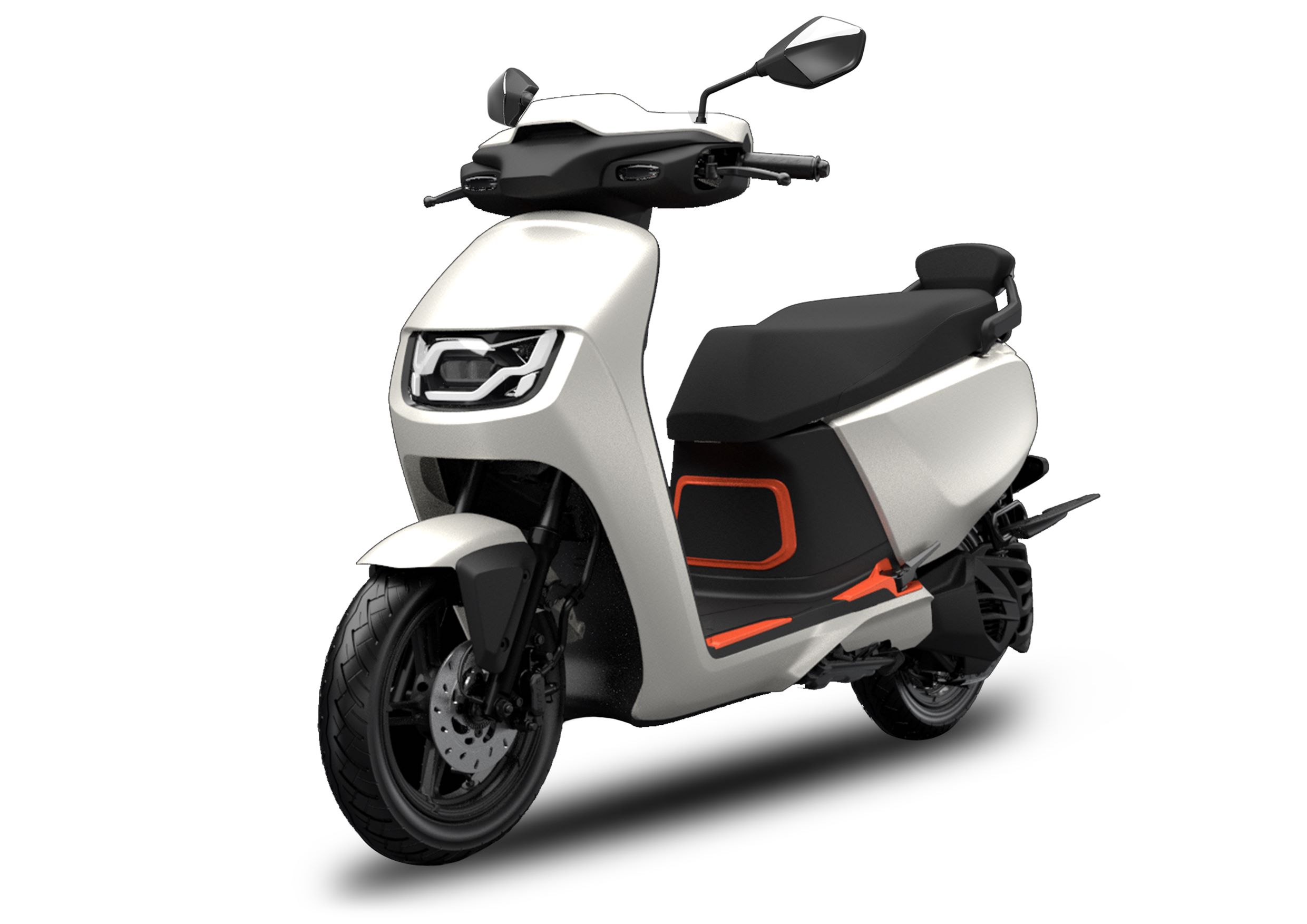
VIDA VX2
The VIDA VX2, launched with a Battery-as-a-Service model, has been a key driver of this growth. This subscription-based approach made the scooter accessible to more buyers by reducing upfront costs. As a result, VIDA’s market share exceeded 10% in July.
BaaS Model
The BaaS model separates the battery cost, allowing customers to pay monthly while enjoying Hero’s charging and service infrastructure. VIDA currently operates over 3600 charging stations and 500 service points to support customers. These facilities span more than 100 Indian cities.
Limited Network
Despite these achievements, VIDA’s overall reach is still limited compared to rivals. The company operates around 600 touchpoints across 400 cities. In comparison, Bajaj commands nearly 3000 outlets nationwide.
Hero is already expanding its presence through Hero and Premia showrooms in several cities. Its legacy dealership base gives VIDA a strong advantage for scaling faster. The company also aims to increase charging infrastructure to back the growing demand.
Analysts now believe that network expansion is crucial for the brand’s long-term growth. More showrooms and service centres will boost accessibility and build consumer trust. Without a stronger reach, VIDA risks losing ground to established competitors.
Outlook
Hero VIDA’s affordable scooters and innovative ownership models have struck the right chord with customers. However, affordability alone cannot sustain growth without easy availability and service. The logical next leap is to strengthen its dealer and charging network.