

Yamaha adopts a multi-path strategy blending electric, hydrogen & biofuel tech
In its recently released Integrated Report 2025, Yamaha Motor has laid out a comprehensive roadmap for achieving carbon neutrality, emphasising that electrification is only one of several viable pathways. The Japanese two-wheeler manufacturer is opting for a multi-pronged approach that includes developing hydrogen, biofuel and e-fuel technologies, in addition to electric vehicles. This strategy leans on Yamaha’s decades of expertise in internal combustion engine technologies while also exploring collaborations to expand its technological capabilities.
Rather than fully committing to electric mobility alone, Yamaha argues that global EV adoption depends heavily on the maturity of local infrastructure. This country-specific approach, the company says, will help tailor products to regional needs and ensure a smoother transition to alternative energy sources.
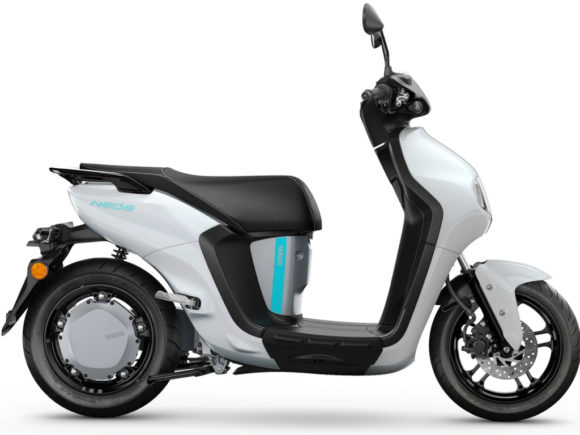
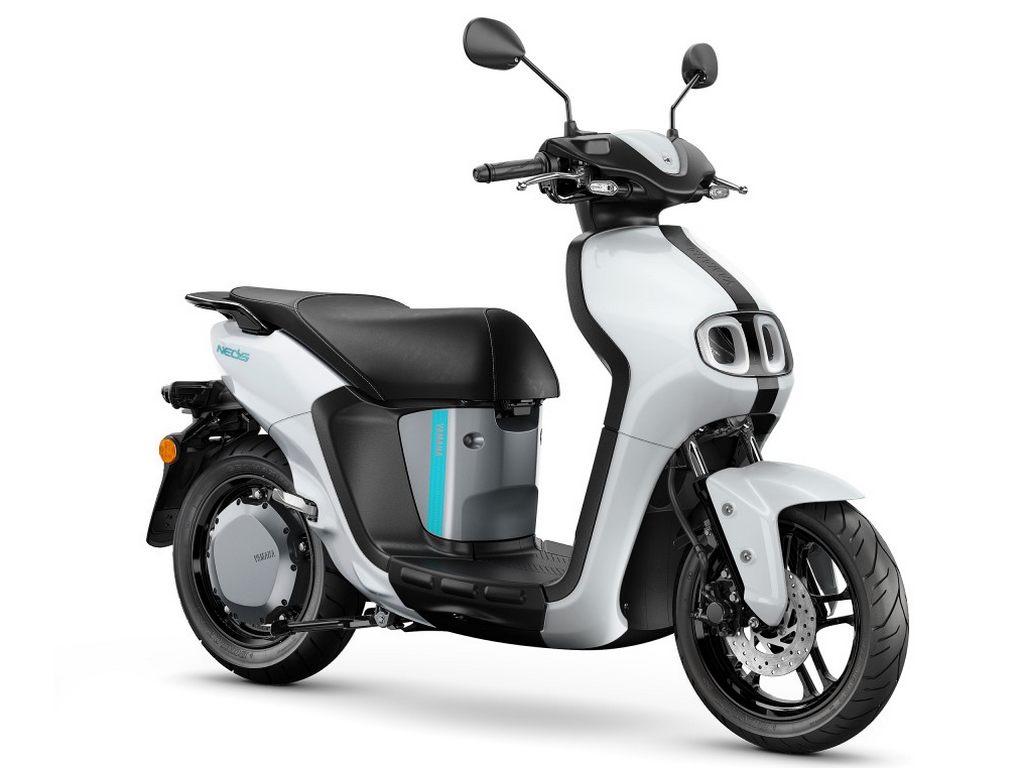
Yamaha’s president, Motofumi Shitara, emphasised the importance of leveraging both in-house platforms and strategic partnerships to maintain competitiveness. One such collaboration is Yamaha’s investment in Indian startup World of River, which develops electric scooters under its Bengaluru-based group company, River Mobility. The move aligns with Yamaha’s larger goal to tap into India’s growing EV market while strengthening its presence in emerging Asian economies.
The report also acknowledges recent setbacks in India’s premium two-wheeler market, citing semiconductor shortages and sluggish demand recovery as obstacles. Despite these challenges, Yamaha remains committed to its premium product strategy, expanding its Blue Square dealership network across the country and aiming to enhance engagement with younger consumers, particularly Gen Z, through immersive digital and physical brand experiences.
To improve manufacturing efficiency, Yamaha is rolling out its “Value Innovation Factory” model globally. This initiative blends digital transformation with production optimisation, including automated assembly processes and supply chain innovation. Yamaha has also introduced training programs to upskill over 800 employees in on-site digital transformation, ensuring quick and cost-effective deployment of VIF strategies across its global network.
Procurement practices are also evolving. The company is decentralising decision-making, giving more autonomy to regional teams while fostering diversity in leadership. By promoting locally hired managers and ensuring gender inclusivity, Yamaha aims to enhance responsiveness and build a more resilient supply chain.
Shitara, who previously led Yamaha Motor India, is now focused on steering the company through geopolitical uncertainties, global trade disruptions and demographic challenges like Japan’s aging population. Under his leadership, Yamaha aims to become more agile and innovation-driven.
Despite recent struggles in gaining market traction with some new technologies, Yamaha is reevaluating its R&D priorities. The company seeks to balance short-term product updates with long-term visionary projects, ensuring that innovation remains a consistent driver of growth. By categorising technological development into immediate updates, near-future planning and long-term research, Yamaha hopes to sustain progress without losing focus or becoming complacent.
As the company navigates a complex global landscape, it continues to reinforce the message that resilience, flexibility and innovation will be key to its long-term success.