Bajaj Auto is reportedly assessing potential locations in southern India for a new manufacturing facility as it looks to expand production capacity, particularly for its growing electric vehicle portfolio. Tamil Nadu and Telangana have emerged as the leading contenders for the proposed investment, although no official announcement has been made regarding the final location.
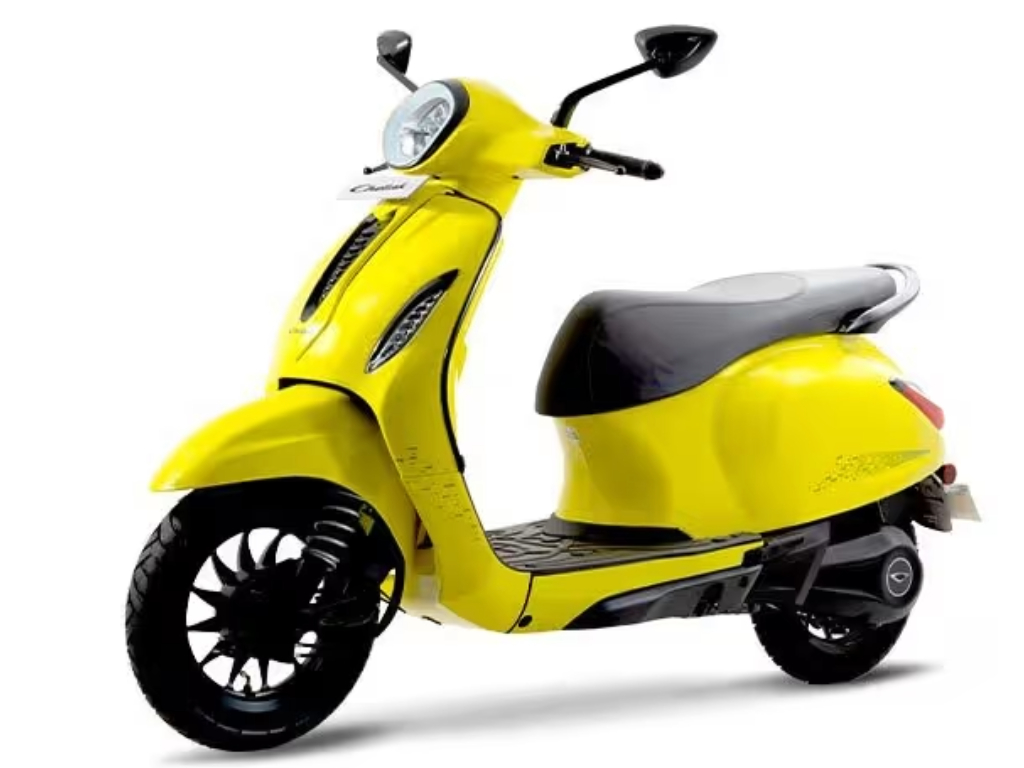
The Pune-based manufacturer currently produces its electric Chetak scooter at its Chakan plant in Maharashtra, while electric three-wheelers such as the GoGo and Riki are manufactured at its facility in Chhatrapati Sambhajinagar. The company also operates a manufacturing unit in Pantnagar, Uttarakhand.
Industry reports suggest that pending electric vehicle subsidy reimbursements from the Maharashtra government, reportedly exceeding Rs. 70 crore, have become a point of concern for the automaker. While Bajaj Auto has not publicly linked its expansion plans to the issue, the development has fueled speculation that the company is evaluating alternative states for future investments.
The proposed facility could become Bajaj Auto’s first manufacturing plant in southern India. However, details regarding the scale of investment, production capacity, and the types of vehicles to be manufactured remain unclear. It is also yet to be determined whether the plant will focus solely on electric vehicles or include internal combustion engine products as well.
Tamil Nadu offers a well-established automotive ecosystem with several major vehicle manufacturers and component suppliers operating across industrial hubs such as Hosur, Sriperumbudur, Oragadam and Chennai. The state has long been considered one of India’s leading automobile manufacturing centres due to its mature supply chain, skilled workforce and port connectivity.
Telangana, meanwhile, has been actively pursuing investments in the automotive and mobility sectors. While its automotive manufacturing base is smaller compared to Tamil Nadu, the state has positioned itself as a technology-driven destination and has been working to attract new investments through policy support and infrastructure development.
Industry analysts note that vehicle manufacturers are increasingly diversifying their production footprint across multiple states to reduce operational risks and strengthen supply chain resilience. Factors such as policy stability, fiscal incentives, land availability, logistics infrastructure and access to skilled labour are expected to play a key role in Bajaj Auto’s final decision.
For Maharashtra, retaining future investments from one of its oldest automotive manufacturers remains important. Whether the state can address industry concerns and persuade Bajaj Auto to expand locally remains to be seen as the company continues evaluating its options.