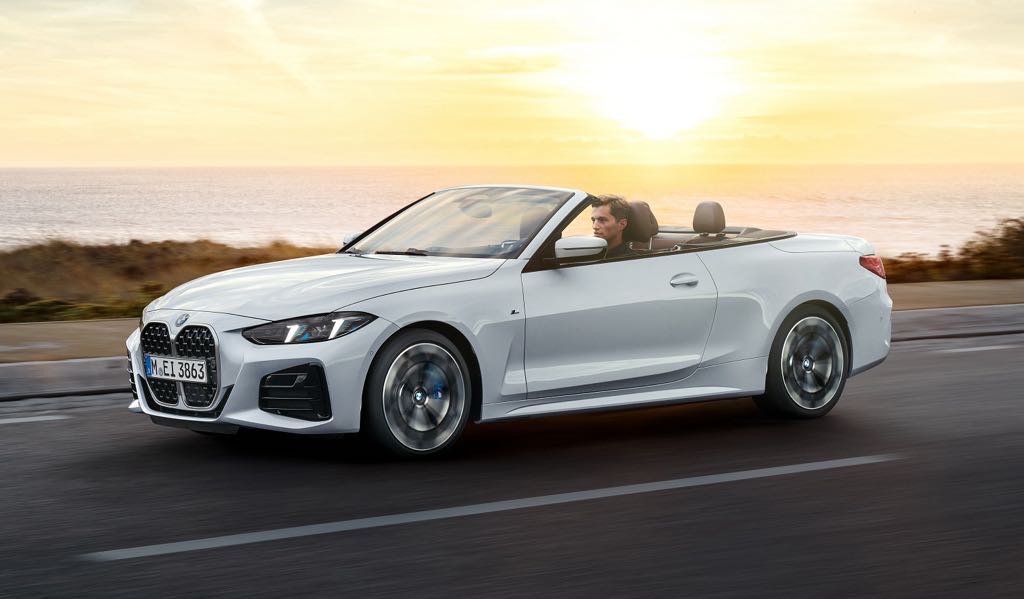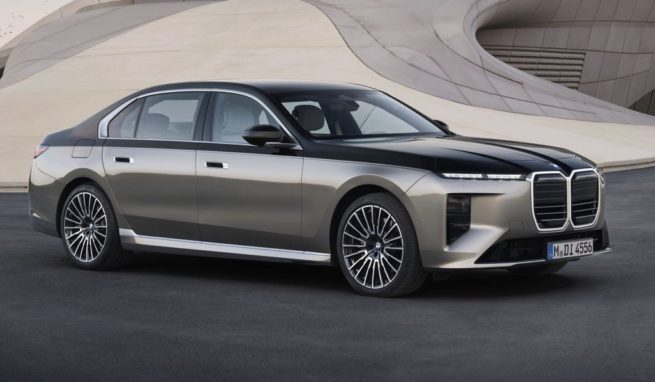


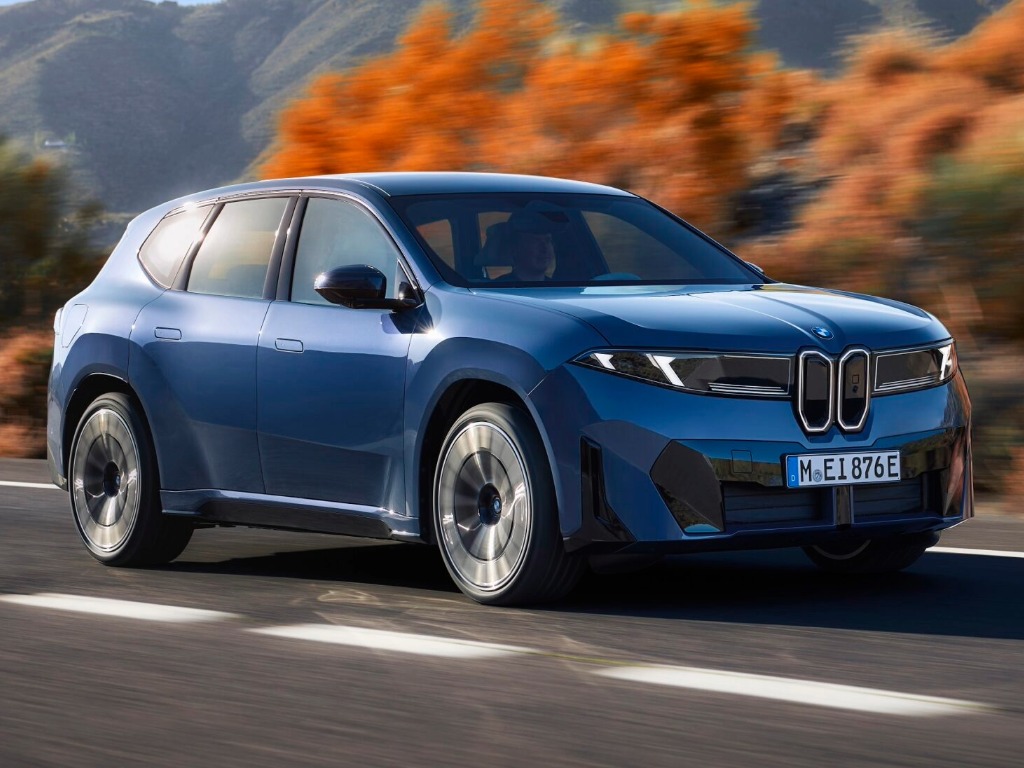
BMW Group India has highlighted the need for quicker implementation of the proposed India–European Union free trade agreement (FTA), noting that prolonged uncertainty could begin to influence buyer behaviour in the premium car market.
Speaking at an industry event organised by the Federation of European Business in India (FEBI), BMW Group India President and CEO Hardeep Singh Brar emphasised that while the agreement is expected to benefit the automotive sector in the long run, clarity on execution timelines is equally important.
According to Brar, customers are already factoring in the possibility of lower prices once the agreement comes into effect. This has led to a growing tendency among some buyers to delay purchase decisions in anticipation of reduced import duties.
Currently, fully imported vehicles in India attract steep duties, going up to 110 percent for cars priced above USD 40,000, and around 70 percent for those below that threshold. Under the proposed FTA framework, these duties could see a sharp reduction, with higher slabs expected to drop significantly in the initial phase itself.
Such a revision in tax structure could potentially make premium European vehicles more accessible. However, until timelines are clearly defined, the uncertainty may continue to affect buying patterns in the segment.
Concerns around quota mechanism
Another area of focus for automakers is the proposed quota system under the agreement. Unlike most other sectors, the automotive industry is expected to operate under a capped import volume, at least in the initial stages.
Industry stakeholders have pointed out that clarity and transparency around how these quotas will be allocated will be critical. This includes understanding how different price brackets will be accommodated and how manufacturers will plan their product strategies within these limits.
Despite these concerns, European automakers remain optimistic about the long-term potential of the agreement. The India–EU FTA is widely seen as a key opportunity to deepen trade ties, encourage investment and bring advanced automotive technologies into the Indian market.
For manufacturers, a predictable policy environment will be essential to align production, pricing and product planning strategies. For consumers, clearer timelines could help reduce uncertainty around purchase decisions.
Conclusion
While the proposed trade agreement promises structural benefits for both industry and buyers, its near-term impact will largely depend on how quickly it is implemented and how clearly its framework is communicated. Until then, a wait-and-watch approach may continue to shape parts of the premium car market.