


BS7 emission norms could reshape India’s diesel car market and buying decisions
India’s automotive industry is closely watching developments around the proposed Bharat Stage 7 (BS7) emission norms, which are expected to tighten pollution limits further and align domestic regulations more closely with global standards such as Euro 7. While the norms have not yet been officially notified, discussions around their potential impact have intensified amid ongoing concerns over air quality, particularly during winter months.
At present, India follows BS6 emission standards, which came into force in April 2020. BS7 would represent the next step in regulating vehicular emissions, with a sharper focus on real-world pollution levels rather than laboratory-only testing. However, the Ministry of Road Transport and Highways has not announced a formal timeline or implementation roadmap.
What BS7 could change
Industry assessments suggest BS7 norms may introduce significantly stricter controls, especially for diesel-powered vehicles. One of the most discussed additions is the introduction of an advanced on-board monitoring system that continuously measures emissions during actual driving conditions. This would go beyond the current on-board diagnostics used under BS6, enabling regulators to track compliance over a vehicle’s usable life.
Another key change could be the harmonisation of emission limits between petrol and diesel engines. Nitrogen oxide (NOx) limits for diesels are expected to be tightened substantially, potentially bringing them closer to petrol-equivalent thresholds. In addition, BS7 may also regulate non-exhaust emissions, such as particulate matter from tyres and brakes, an area that has so far remained largely unregulated in India.
Diesel engines under pressure
While petrol engines are expected to require only incremental updates, diesel powertrains could face extensive re-engineering. This may include more complex exhaust after-treatment systems and additional hardware, significantly increasing development and production costs. For some older engine platforms, manufacturers may find upgrades economically unviable.
As a result, automakers could be forced to reconsider the long-term future of diesel engines in passenger vehicles, particularly in segments where cost sensitivity is high.
Impact on popular diesel SUVs
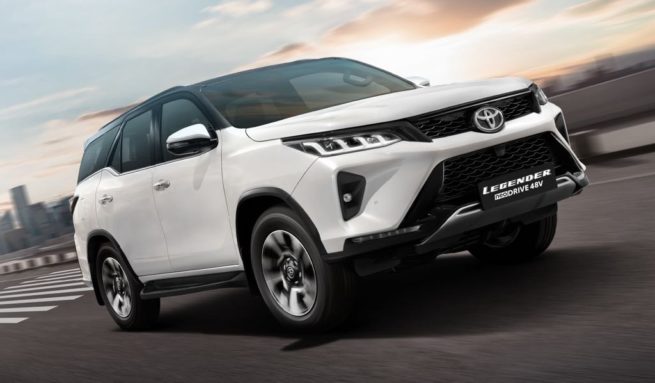
Well-known diesel SUVs are often cited as being among the most affected if BS7 norms are implemented in their strictest form. Models such as the Toyota Fortuner, which relies on a large-capacity diesel engine, may require substantial upgrades to meet future standards. Similarly, the Tata Harrier could face engineering challenges, although Tata Motors has the flexibility to further develop its licensed diesel platform.
Across the broader SUV and utility vehicle space, manufacturers may increasingly pivot towards petrol, strong-hybrid or electric powertrains to offset rising compliance costs.
Possible timeline and industry response
The push for cleaner emissions gained visibility in 2023 when Nitin Gadkari encouraged automakers to prepare for tighter norms and adopt globally aligned standards to reduce health and environmental risks. However, experts believe BS7, if introduced, is likely to follow a phased approach, potentially starting in major urban centres before nationwide adoption.
Automakers are already investing in research and development to prepare for a stricter regulatory environment, but uncertainty around timelines continues to influence product planning decisions.
For consumers, the eventual rollout of BS7 could translate into higher vehicle prices and fewer diesel options, accelerating the shift toward alternative powertrains. Until an official notification is issued, however, the exact scope and timing of BS7 norms remain subject to policy decisions.