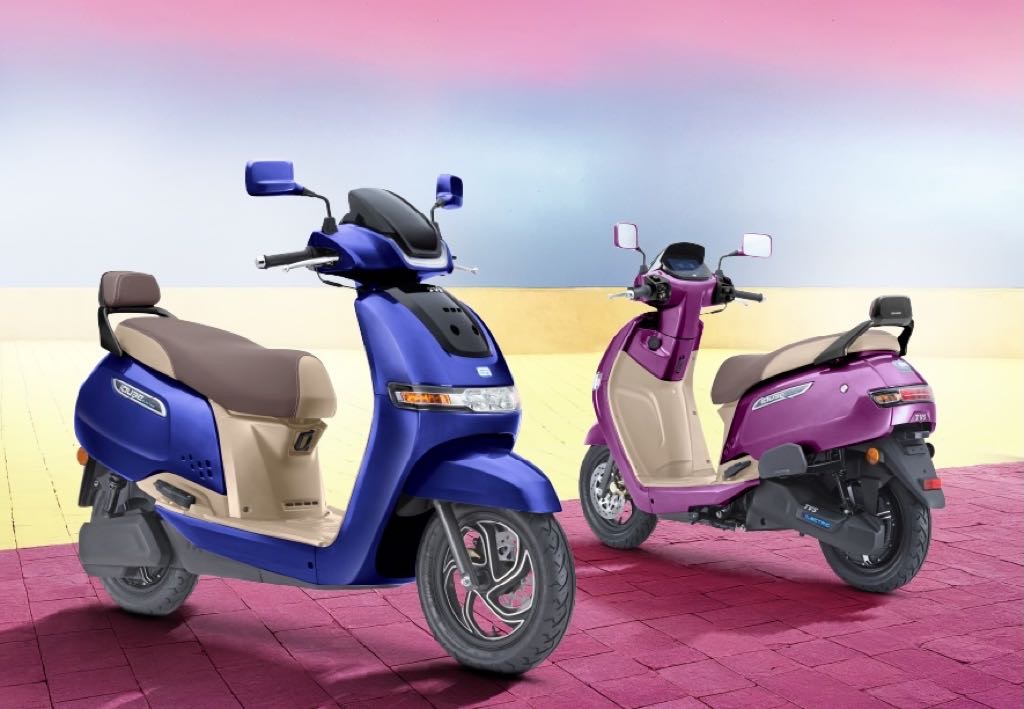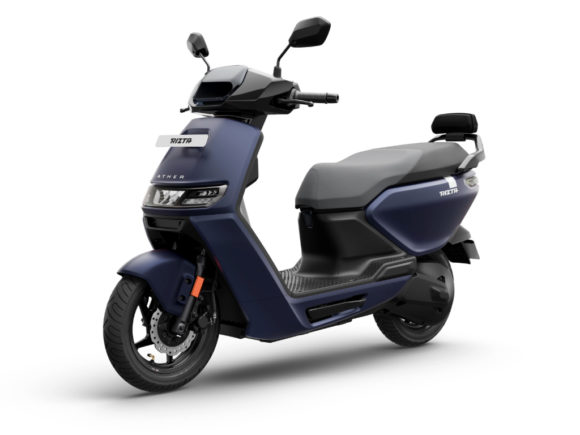


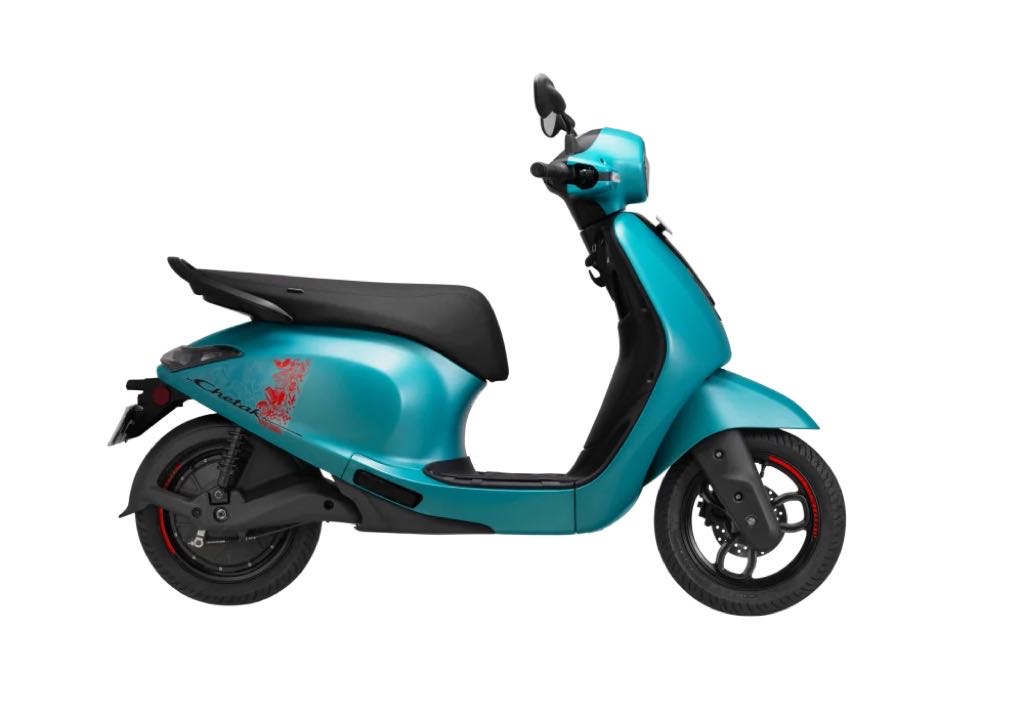

The Delhi government has approved the Delhi EV Policy 2026, introducing a phased roadmap to accelerate electric vehicle adoption across multiple vehicle segments. The policy will come into effect on July 1, 2026 and remain valid until March 31, 2030.
One of the key provisions of the new policy is that only new electric two-wheelers will be eligible for registration in the national capital from April 1, 2028. This effectively ends the registration of new petrol-powered two-wheelers in Delhi after the deadline, making the city one of the first in the country to adopt such a measure.
The transition will begin even earlier for certain commercial vehicle categories. From January 1, 2027, only electric auto-rickshaws and N1 category goods carriers will be permitted to receive new registrations in Delhi as part of the government’s phased electrification strategy.
To encourage faster adoption of electric vehicles, the policy introduces financial incentives for buyers. Electric two-wheelers will be eligible for incentives of up to Rs. 30,000, while electric three-wheelers can receive up to Rs. 50,000. Buyers of electric N1 goods vehicles may receive incentives of up to Rs. 1 lakh. In addition, scrappage benefits ranging from Rs. 5000 to Rs. 1 lakh will be offered to individuals replacing older, polluting vehicles with electric alternatives. The government has stated that these incentives will be transferred directly to beneficiaries’ bank accounts.
The policy also places significant emphasis on expanding charging infrastructure, with a target of installing more than 30,000 EV charging points across Delhi during its implementation period.
Industry analysts believe the move could significantly boost electric two-wheeler adoption in the capital. Earlier estimates suggested that the policy could increase the share of electric two-wheelers in Delhi’s new vehicle sales by FY2029 while contributing substantially to national EV volumes. Given the large share of two-wheelers in Delhi’s overall vehicle population, the policy could also influence similar initiatives in other states.