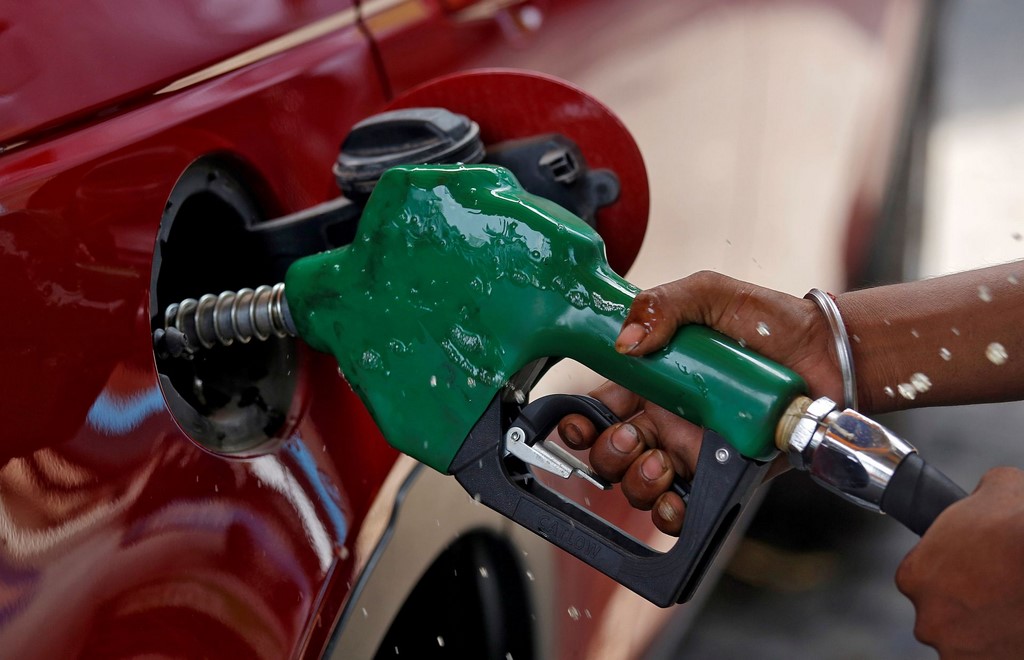

The Indian government has initiated trials of E25 petrol, a fuel blend containing 25 percent ethanol, as it evaluates the feasibility of increasing ethanol content beyond the current E20 standard. The study is aimed at understanding how the higher blend affects vehicle performance, fuel efficiency and long-term durability before any policy decision is taken.
The testing programme is being carried out by the Automotive Research Association of India (ARAI). According to government officials, the agency has started evaluating E25 fuel on both E10- and E20-compliant vehicles. The assessment will cover a total distance of 1,50,000 km to measure the fuel’s impact under extended usage.
Once the study is completed, the findings will be reviewed by the International Centre for Automotive Technology (ICAT). After the technical evaluation, the report will be submitted to the Ministry of Petroleum and Natural Gas, which will decide whether a higher ethanol blend should be introduced in the future.
India has been steadily increasing ethanol blending in petrol as part of its strategy to reduce crude oil imports, improve energy security and support domestic ethanol production. The nationwide rollout of E20 petrol came into effect from April 1, 2025, while all vehicles manufactured from April 2025 onwards are required to be compatible with E20 fuel.
However, the transition to E20 has not been without criticism. Some vehicle owners have reported a drop in fuel economy after switching to the higher ethanol blend, while others have raised concerns about possible mechanical issues in older vehicles that were not designed for E20. Government agencies and automobile manufacturers have maintained that E20-compliant vehicles are engineered to operate safely on the fuel and they have not accepted claims linking the blend to widespread vehicle damage.
Industry observers note that any move towards E25 is likely to receive close scrutiny, particularly because of the mixed consumer response to E20. The ongoing study is expected to provide technical data that will help policymakers determine whether a higher ethanol blend can be introduced without compromising vehicle performance or reliability.
The ARAI report is expected to be completed by the end of next year.