

The Indian government is moving ahead with plans to support the introduction of E85 fuel, with policymakers indicating that the ethanol-rich blend could be priced below conventional petrol. The development comes as automakers and two-wheeler manufacturers begin introducing vehicles capable of operating on higher ethanol blends.
Union Petroleum and Natural Gas Minister Hardeep Singh Puri stated that E85 fuel is expected to be more affordable than regular petrol. He also indicated that the government is working on policy measures aimed at encouraging adoption of flex-fuel vehicles and expanding access to ethanol-based fuels.
E85 consists of up to 85 percent ethanol and 15 percent petrol and requires specially designed flex-fuel engines. The fuel cannot be used in conventional petrol vehicles that are not calibrated for high ethanol concentrations.
To support the rollout, the government is expected to introduce regulations covering E85 and other alternative fuels. Proposed policy changes are also intended to facilitate the wider use of fuels such as E100 ethanol, biodiesel and hydrogen-CNG blends.
Infrastructure development is likely to play a key role in the transition. Initial plans involve setting up E85 dispensing stations along selected corridors, including Delhi-NCR and the Mumbai-Pune-Nagpur route. The network is expected to expand progressively, with authorities targeting hundreds of stations by the end of 2026 and several thousand outlets across major cities by the close of 2027.
The policy push coincides with the arrival of new flex-fuel vehicles in the market. Hero MotoCorp recently launched flex-fuel versions of the Splendor Plus and HF Deluxe motorcycles, both capable of running on ethanol blends ranging from E20 to E85.
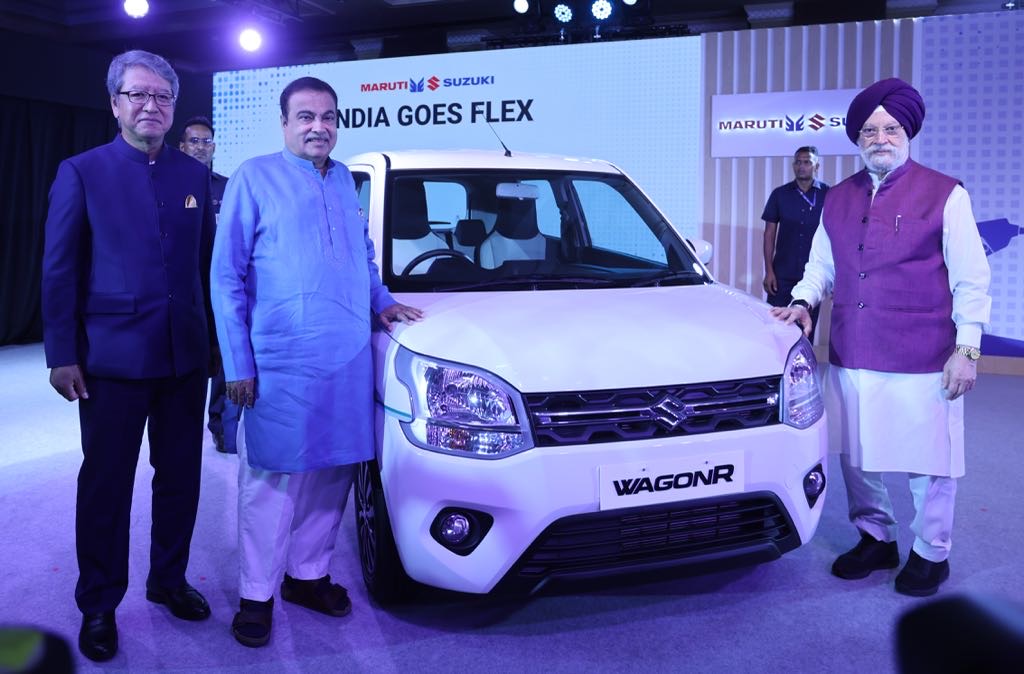
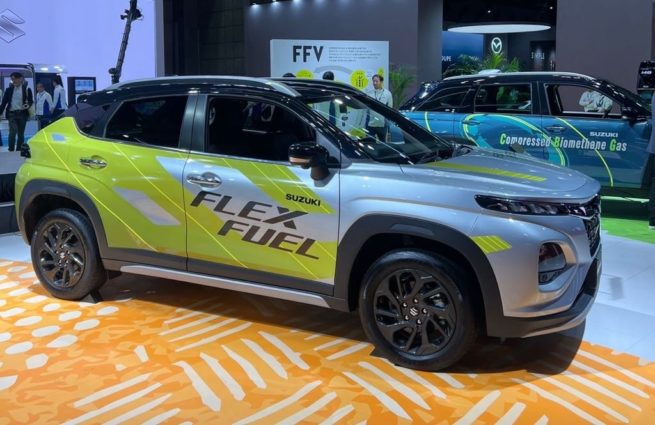
In the passenger vehicle segment, Maruti Suzuki has showcased the Wagon R Flex Fuel, making it one of the first flex-fuel cars developed for the Indian market. The vehicle is based on the company’s 1.2-litre petrol engine and is engineered to operate on blends up to E85. Initially, the model is expected to be offered to fleet operators and ride-hailing services.
The government’s alternative fuel strategy extends beyond ethanol. Union Road Transport and Highways Minister Nitin Gadkari has indicated that authorities are evaluating the feasibility of allowing up to 15 percent isobutanol blending in diesel. Isobutanol, a biofuel derived from ethanol, offers higher energy density and lower corrosiveness than ethanol, making it a potential candidate for diesel blending applications.
Hydrogen also remains part of the government’s long-term mobility roadmap. Pilot programmes involving hydrogen-powered buses are already underway as policymakers assess the fuel’s suitability for commercial transportation and large-scale deployment.
While lower fuel costs and increased domestic ethanol production could support adoption, the success of E85 will depend on factors such as vehicle availability, fuel infrastructure expansion and sustained consumer acceptance over the coming years.