

India’s push towards alternative fuels is set to advance further, with the government preparing a draft policy for E85 fuel. The move comes shortly after the nationwide rollout of E20 petrol, signalling a faster-than-expected transition towards higher ethanol blends.
According to a senior government official, preliminary groundwork for E85 adoption has already been carried out, including initial vehicle testing and industry consultations. A draft notification is expected to be released soon.
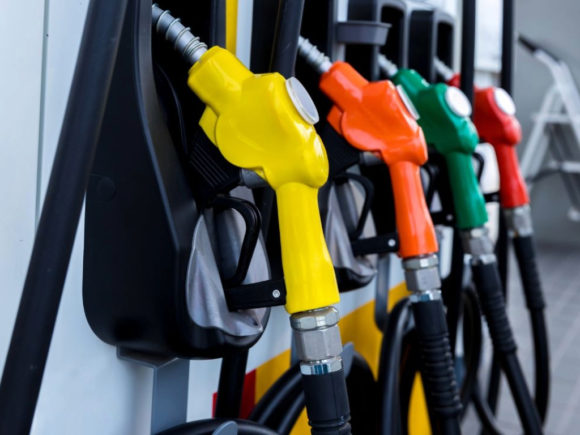
E85 fuel, which consists of 85 percent ethanol and 15 percent petrol, cannot be used in conventional internal combustion engine vehicles without modifications. It requires flex-fuel compatible engines and separate dispensing infrastructure at fuel stations. This makes its adoption more complex compared to E20, which can be used in most modern petrol vehicles with limited adjustments.
The government’s push towards higher ethanol blending is largely driven by concerns around energy security and environmental impact. India remains heavily dependent on crude oil imports, making it vulnerable to global supply disruptions and geopolitical tensions. Increasing ethanol usage is seen as a way to reduce import dependence while also lowering vehicular emissions.
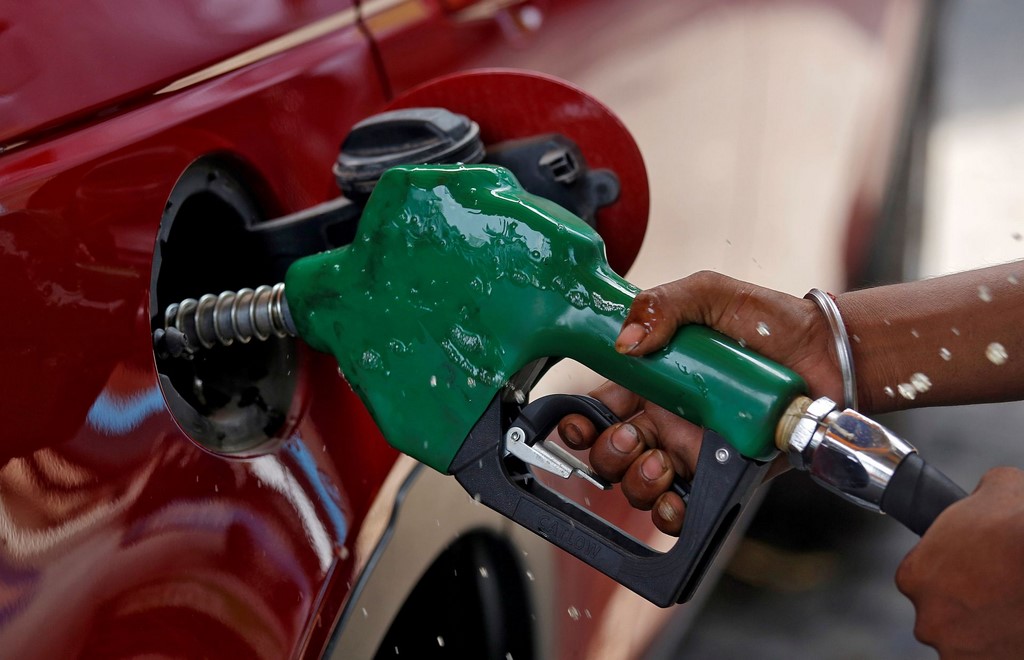
At present, India has only recently completed the transition to 20 percent ethanol blending. The target for E20 was originally set for 2030 but was advanced to the 2025-26 ethanol supply year. Oil marketing companies progressively increased blending levels over the past few years to meet this goal.
Existing regulatory provisions allow blending of up to 27 percent ethanol, and vehicles manufactured in recent years are generally compatible with such levels. However, higher blends like E85 would require dedicated engine configurations. While older vehicles may run on higher ethanol content to some extent, this could lead to reduced performance and potential long-term wear on components.
Officials indicate that E85 could eventually become mandatory, although no specific timeline has been confirmed. The transition would also require changes at fuel retail outlets, including separate storage and dispensing systems.
The ethanol blending programme has already shown economic and environmental benefits at lower blend levels. Industry estimates suggest significant savings in foreign exchange and increased income for farmers due to ethanol production from agricultural feedstock. It has also contributed to reductions in carbon emissions.
However, the proposed shift to E85 may present new challenges for automakers, fuel suppliers and consumers. Infrastructure readiness, vehicle compatibility and cost implications are likely to be key considerations as the policy framework evolves.