
The Central Government has clarified that it does not plan to offer pure petrol, E10 and E20 simultaneously across the country, stating that E20 will continue to be India’s standard petrol blend. The clarification was issued by the Ministry of Petroleum and Natural Gas in a question-and-answer document released on July 10.
According to the ministry, maintaining three different grades of petrol nationwide would require significant changes to India’s fuel supply network. It said separate storage facilities, inventory management systems and distribution infrastructure would be needed across refineries, depots, pipelines and more than one lakh fuel stations, increasing operational complexity and overall costs.
The ministry also rejected comparisons with premium petrol, noting that premium fuel caters to a much smaller customer base and does not require a separate nationwide distribution system similar to what would be needed for multiple standard petrol grades.
Another reason cited by the government is the investment already made in India’s ethanol blending ecosystem. It said substantial resources have been invested in ethanol production facilities, storage infrastructure and logistics to support the country’s blending programme. According to the ministry, reintroducing E10 as the standard fuel could leave part of this infrastructure underutilised and affect stakeholders including farmers, ethanol producers, cooperatives and financial institutions.
The ministry stated that India achieved an average ethanol blending level of 20 percent between November 2025 and June 2026, compared to 19.2 percent during the previous ethanol supply year.
Responding to concerns from owners of older vehicles originally certified to run on E10 petrol, the ministry said the transition to E20 was preceded by consultations with vehicle manufacturers, component suppliers, testing agencies and research institutions. It said these discussions covered engine calibration, material compatibility, fuel system durability, emissions and fuel economy.
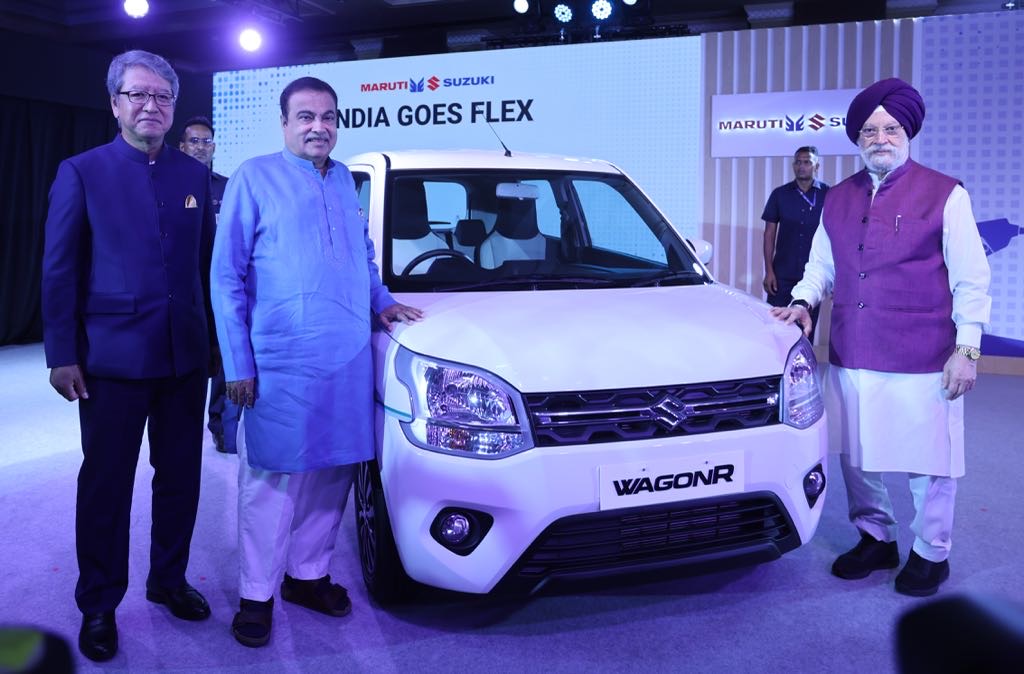
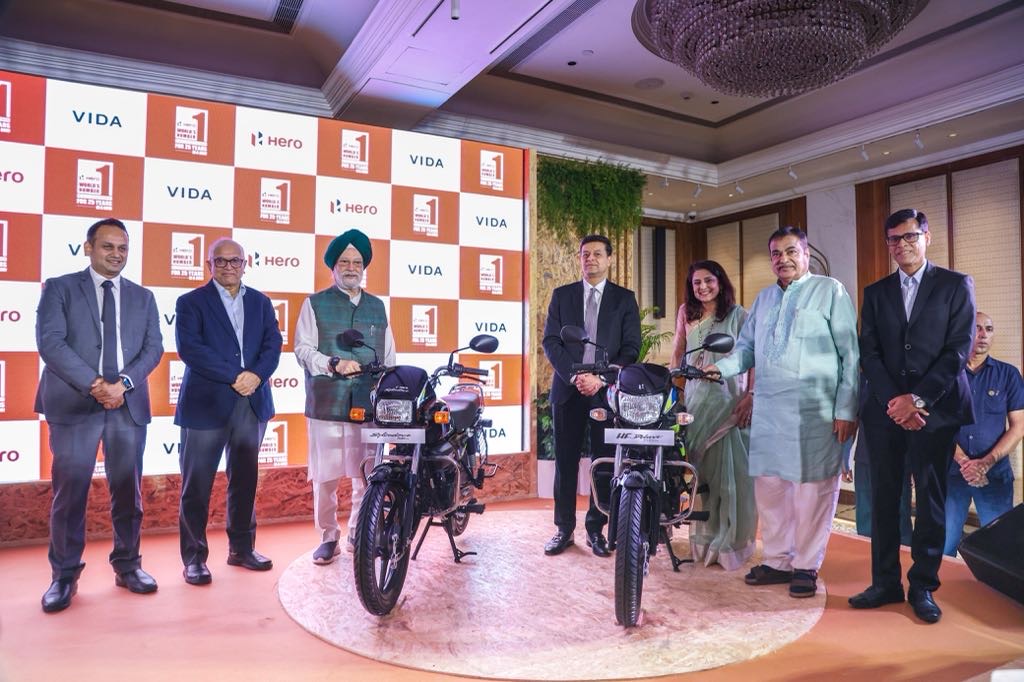
To support its position, the ministry referred to data shared by Maruti Suzuki and Hero MotoCorp. It said Maruti Suzuki serviced approximately 2.84 crore vehicles during FY2025-26, including around 1.5 crore vehicles that were not originally certified for E20, without identifying E20-related corrosion, abnormal wear or component durability issues. Hero MotoCorp was also said to have reported similar observations.
The government acknowledged that E20 may reduce fuel efficiency by around 3-5 percent in some vehicles. However, it maintained that the impact should be viewed alongside the fuel’s higher octane rating and the broader objectives of reducing crude oil imports and lowering emissions.
The ministry’s response presents the government’s rationale for continuing with E20 as the standard petrol. However, it does not include an independent assessment comparing the costs of maintaining multiple fuel grades with the potential benefits of allowing motorists to choose fuel based on their vehicle’s original compatibility.