




Government plans graded licence points to curb repeat violations
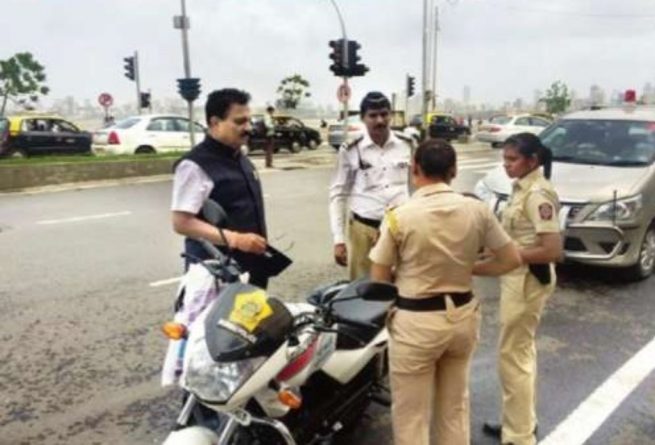
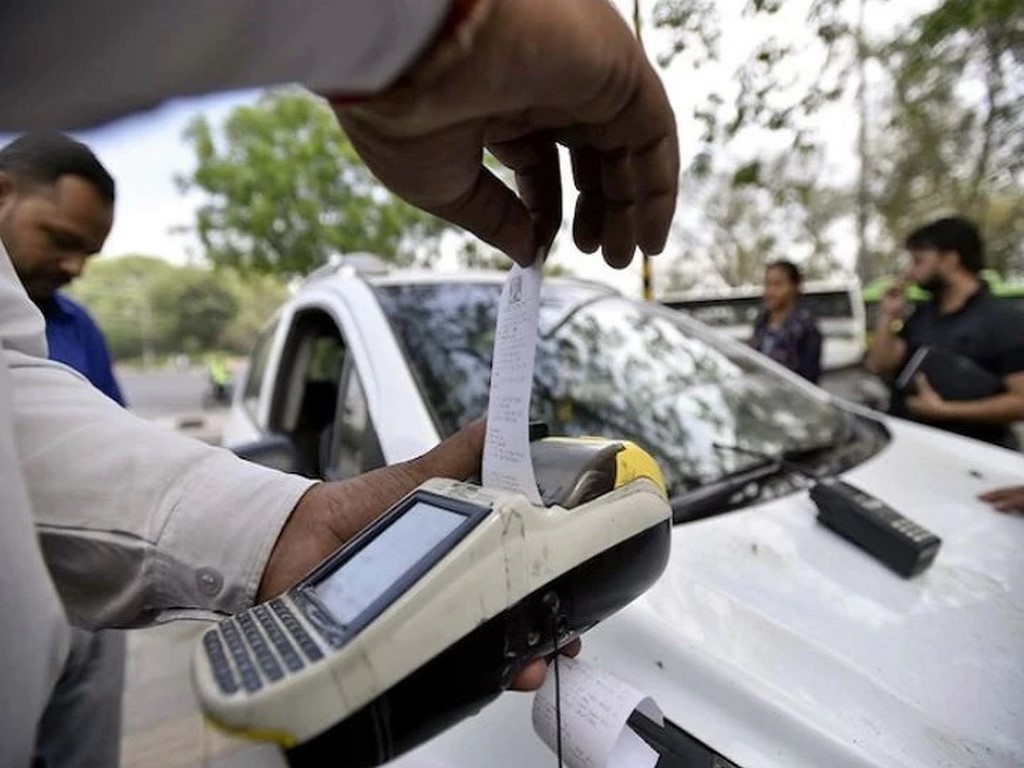
The Ministry of Road Transport and Highways is preparing to introduce a graded point system for driving licences aimed at tracking traffic violations more systematically. Under the proposed framework, motorists would accumulate penalty points for each offence, with licences facing suspension or cancellation once a specified threshold is crossed.
According to Road Transport and Highways Minister Nitin Gadkari, the system is part of a broader strategy to address India’s rising road accident numbers. Annual road crashes in the country are estimated at around 500,000, with fatalities exceeding 180,000. The ministry’s approach combines reforms in road design, vehicle engineering and behavioural interventions to improve safety outcomes.
How The Graded Point System May Work
The proposed system would deduct points for every recorded traffic violation. Once a driver exceeds the permitted limit, authorities could suspend the licence for a defined period, such as six months. Continued violations beyond that stage may result in permanent cancellation.
While detailed guidelines are yet to be released, the move signals a shift towards closer monitoring of repeat offenders rather than relying solely on fines and spot penalties.
Focus On High-Risk Districts And Black Spots
In parallel, the ministry has identified 100 districts with high accident rates and mapped out accident-prone stretches, commonly referred to as black spots. A targeted intervention plan is being prepared for these locations with the goal of reducing fatalities significantly.
The government is also considering publicly highlighting states and districts that continue to report elevated accident and death figures, in an effort to push for accountability and faster corrective measures.
Addressing Landslide-Prone Stretches
Beyond traffic enforcement, the ministry has turned its attention to road safety challenges in hilly regions. Around 350 landslide-prone areas in the Himalayan belt have been identified, with corrective action already initiated at over 200 locations on a priority basis. The objective is to reduce accidents and casualties linked to terrain-related disruptions.
Strengthening Emergency Response
The ministry has also emphasised the importance of the ‘golden hour’ – the critical first hour after a crash – noting that timely medical intervention can significantly reduce fatalities. To support faster response times, plans are underway to deploy up to 400 advanced ambulances along key national highways. These vehicles will be equipped with rescue tools and operate under state government supervision, with a target response time of around 20 minutes.
Taken together, the graded licence system and parallel infrastructure and emergency measures reflect a multi-pronged attempt to tackle India’s persistent road safety challenges.