

India mandates nationwide E20 petrol with minimum 95 RON
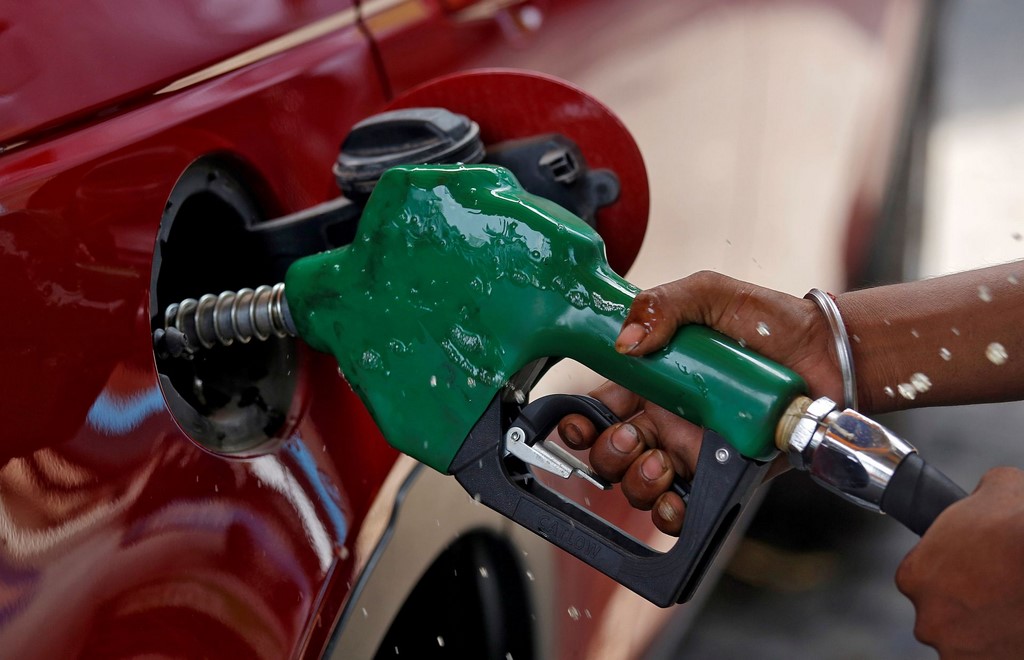
The Central Government has directed oil marketing companies to supply ethanol-blended petrol containing up to 20 percent ethanol (E20) with a minimum Research Octane Number (RON) of 95 across all states and Union Territories starting April 1, 2026.
The directive, issued by the Ministry of Petroleum and Natural Gas on February 17, specifies that the blended fuel must comply with Bureau of Indian Standards (BIS) norms. While the mandate applies nationwide, the government has retained the provision to grant temporary exemptions for specific regions under special circumstances.
Objective behind the mandate
The move is part of India’s broader ethanol blending programme aimed at reducing dependence on crude oil imports and lowering vehicular emissions. Ethanol, which is produced from sugarcane, maize and other agricultural feedstock, is considered a renewable and domestically sourced fuel component.
Apart from reducing fossil fuel consumption, the blending programme is also intended to provide economic support to the agricultural sector by increasing demand for crops used in ethanol production.
According to official data, India has reportedly saved over Rs. 1.40 lakh crore in foreign exchange since 2014-15 due to petrol substitution through ethanol blending.
Research Octane Number (RON) indicates a fuel’s resistance to engine knocking, a phenomenon where fuel-air mixture ignites prematurely inside the combustion chamber. Knocking can lead to power loss, engine noise and, over time, potential mechanical damage.
A higher RON rating means the fuel can withstand greater compression before igniting. Ethanol naturally has a high octane rating around 108 RON and blending it with petrol enhances the overall knock resistance of the fuel. The requirement of a minimum 95 RON is intended to ensure stable engine performance and prevent potential damage, particularly in higher-compression engines.
Impact on vehicles
Industry sources indicate that most vehicles manufactured in India from 2023 onward have been calibrated to operate on E20 fuel and significant issues are not anticipated for these models.
However, older vehicles may experience a marginal reduction in fuel efficiency, estimated in the range of 3 to 7 percent. Over extended usage, certain rubber and plastic components in older fuel systems could also see accelerated wear if not designed for higher ethanol content.
The nationwide rollout marks a significant step in India’s transition toward alternative fuel integration, while balancing concerns around vehicle compatibility and fuel standards.