

India-EU FTA will cut European car import duties to 10 percent
India and the European Union have reached a long-awaited free trade agreement (FTA) that will significantly reduce tariffs on imported European automobiles, marking a major shift in trade terms between the two partners. Under the terms of the deal, import duties on European Completely Built Units (CBUs) will be lowered gradually to 10 percent for up to 2,50,000 vehicles annually, a move expected to ease costs for buyers of high-end models.
Currently, imported cars in India face steep tariffs, with rates ranging from about 70 percent for vehicles priced below $40,000 to roughly 110 percent for those above $70,000. Completely Knocked Down (CKD) units, which are assembled in India, attract an excise duty of around 16.5 percent. The new agreement envisions a phased reduction in CBU duties that could make fully imported European cars more competitively priced over time.
In addition to lowering tariffs on finished vehicles, the pact includes provisions to eliminate duties on auto parts within five to ten years. This change is expected to benefit locally assembled models and could further enhance the price competitiveness of European brands that already manufacture in India.
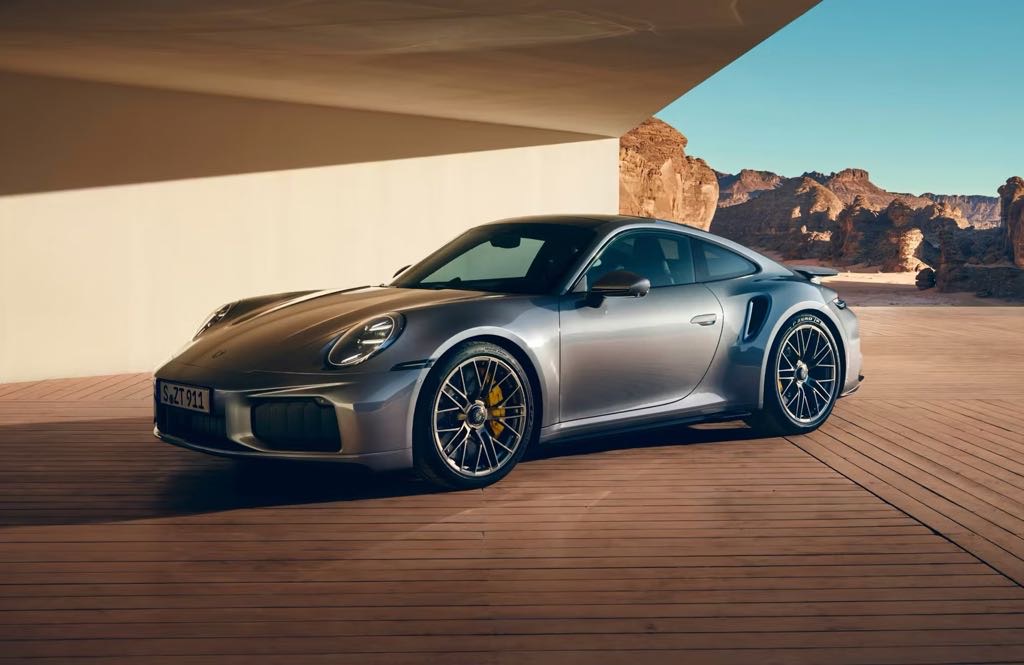
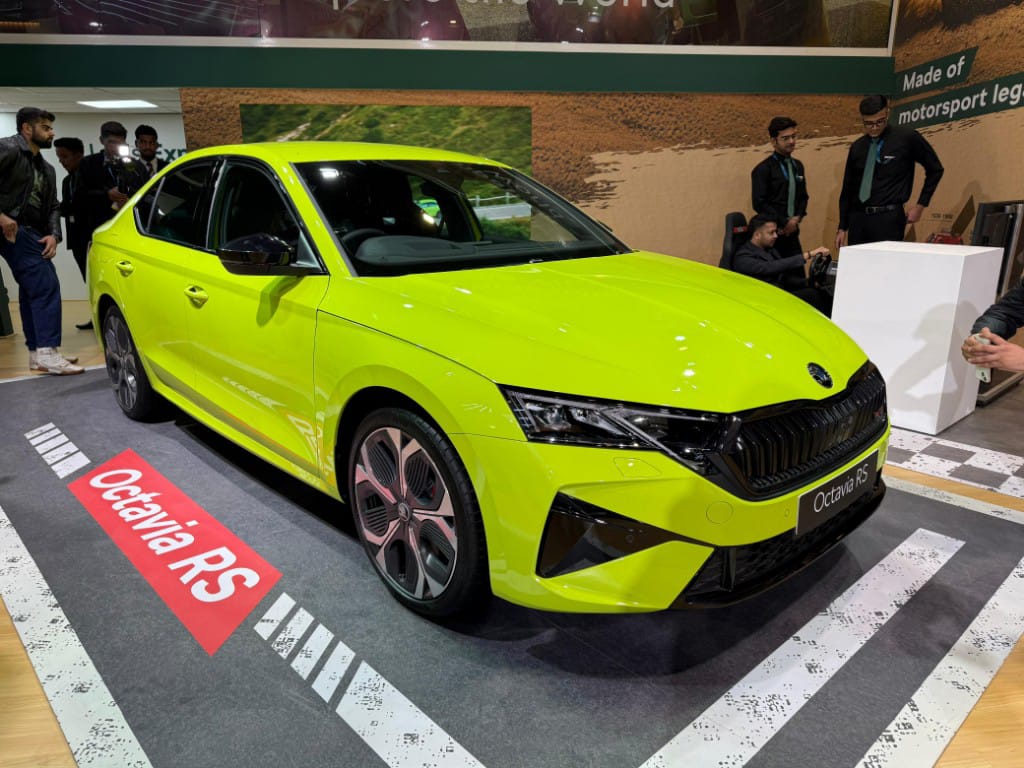
Luxury and performance segments are likely to feel the most immediate impact. Imported vehicles from brands such as Ferrari, Lamborghini and Porsche stand to become more accessible as duties fall. At the same time, high-performance variants from established premium marques – including Mercedes-Benz’s AMG range, Audi’s RS models and BMW’s M series – are expected to see notable price adjustments.
However, the broader market impact is likely to be limited in the short term. Many European brands, such as Mercedes-Benz, BMW, Volvo, Jaguar Land Rover and Audi, already produce a significant share of their vehicles in India. These models will benefit primarily from the forthcoming removal of tariffs on components rather than the reduced CBU duties.
The agreement does not yet clarify whether the new tariff structure will treat electric vehicles, hybrids and traditional combustion cars uniformly or if differentiated rates will apply based on fuel type or price category. Observers note that this detail will be important for market players as electrification trends accelerate.
Currency dynamics may also influence the agreement’s benefits. The Indian rupee’s depreciation against the euro in 2025 could offset some cost advantages from lower import duties over time.
Negotiations for this India-EU trade agreement have spanned more than two decades. Initial talks began in 2007 but were stalled in 2013. Discussions resumed in 2022 and culminated in final negotiations in October 2025. Although the agreement has been concluded, it is expected to take effect only after both sides complete legal procedures and ratification, likely by mid-2028.