


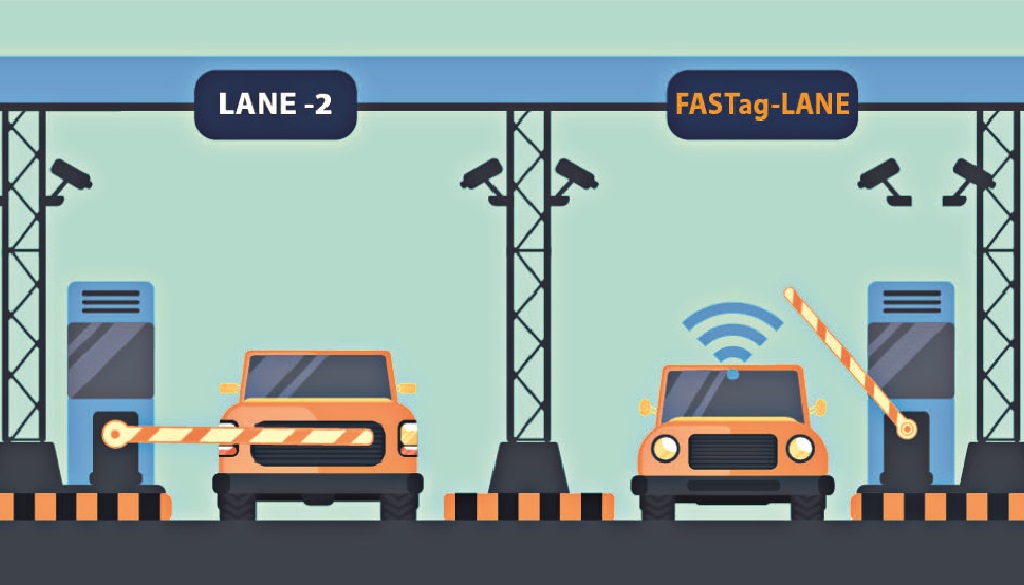
New toll rules introduce e-notices, penalties and digital tracking for compliance
The Government of India has revised the National Highways Fee Rules, introducing a more digital approach to toll collection and enforcement. The changes come as part of a broader push towards barrier-free tolling, with an emphasis on improving compliance and reducing manual intervention at toll plazas.
A key element of the updated framework is the introduction of electronic notices for unpaid tolls. If a vehicle passes through a toll point without completing the payment – whether due to low FASTag balance, technical issues or absence of a valid tag – the system will record the transaction and trigger an e-notice. This notice will be sent through digital channels such as SMS, email or mobile applications and will include details like vehicle number, toll location, date and the amount due.
The revised rules also establish a clearer definition of what constitutes an unpaid toll. By formalising this, authorities now have a structured basis to identify and act on violations captured through electronic toll collection systems.
In terms of penalties, the new rules introduce a graded approach. Users are given a 72-hour window from the time of receiving the notice to clear the pending amount without any additional charges. If the payment is not made within this period, the payable amount may increase to as much as twice the original toll fee.
To address possible discrepancies, vehicle owners have the option to contest the notice within the same 72-hour timeframe. Authorities are expected to review and resolve such disputes within five days. If no resolution is provided within this period, the claim is to be automatically withdrawn.
For continued non-payment, the enforcement mechanism extends further. The toll system is now linked with the Vahan database, allowing unpaid dues to be associated directly with the vehicle’s official records. If the amount remains unsettled beyond 15 days and no dispute is raised, it may impact access to certain vehicle-related services until the dues are cleared.
Overall, the updated rules aim to streamline toll collection by shifting towards a more automated and transparent system. While users benefit from clearer communication and a short grace period, the government expects improved compliance and reduced revenue leakage through tighter digital integration.