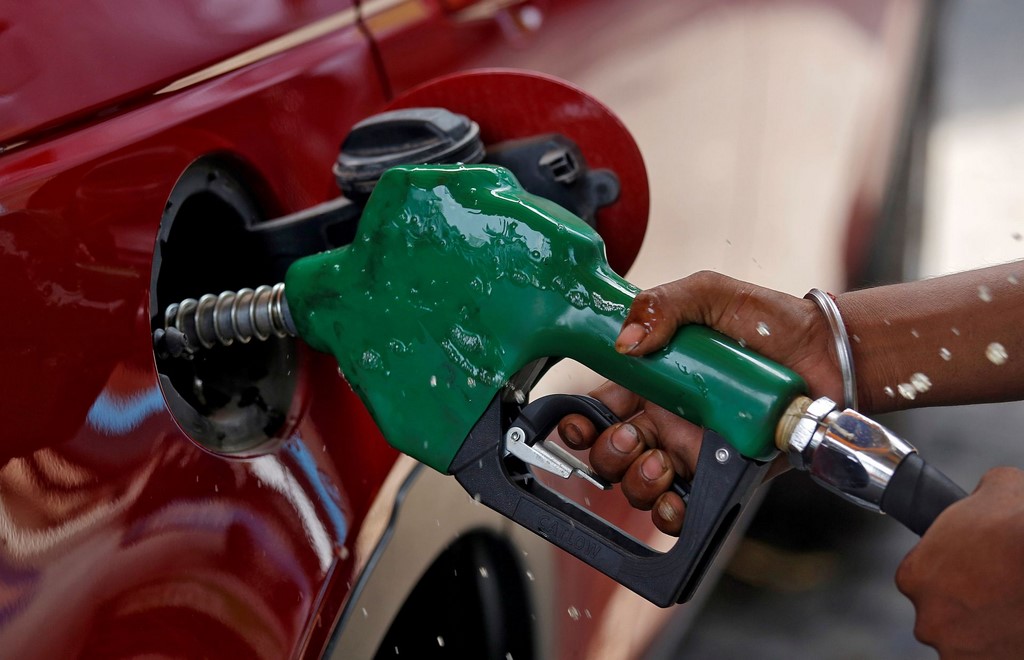
After reaching its target of 20 percent ethanol blending in petrol, the Indian government is now working towards introducing isobutanol-blended diesel as part of its broader biofuel strategy. The initiative is expected to begin with pilot programmes later this year and could play a key role in reducing the country’s reliance on imported fossil fuels while lowering transport sector emissions.
Tata Motors has confirmed that it will participate in the initial phase of testing. The commercial vehicle manufacturer plans to begin trials of diesel blended with 2 percent isobutanol during the next quarter. The company is collaborating with Bharat Petroleum Corporation Limited (BPCL), which will supply the blended fuel for the pilot programme.
Tata Motors Managing Director and CEO Girish Wagh said the low blending ratio is unlikely to have any noticeable impact on vehicle performance. While isobutanol has a lower calorific value than conventional diesel, he noted that a 2 percent blend is expected to have only a minimal effect on efficiency or drivability.
Isobutanol is considered an advanced biofuel that can be mixed with diesel to improve combustion characteristics and help reduce emissions. Unlike some alternative fuels, it can be used without requiring extensive modifications to existing diesel engines, making it a practical option for gradual adoption.
The government’s plans follow the nationwide implementation of E20 petrol, which achieved its blending target earlier than expected. Officials have indicated that a policy framework for isobutanol blending in diesel could be introduced later this year, with the objective of strengthening India’s energy security by reducing dependence on imported crude oil.
The proposed programme carries particular significance because diesel remains the country’s most consumed transport fuel. According to Petroleum Planning and Analysis Cell (PPAC) data, India consumed approximately 91.4 million tonnes of diesel during FY25, almost twice the volume of petrol.
Diesel also continues to dominate the commercial vehicle segment, especially medium and heavy-duty trucks operating on long-distance routes. Although electric vehicles and natural gas-powered alternatives are gradually expanding across buses and light commercial vehicles, diesel remains the preferred choice for applications requiring higher payloads and longer operating ranges.
Globally, isobutanol has already been used in gasoline blends in markets such as the United States, while several countries have conducted pilot projects involving diesel blends. However, mandatory large-scale commercial blending of isobutanol in diesel has not yet been widely adopted in major markets such as Europe or China.