

India To Double Automotive Production In 5 Years, Placing Itself Among The World’s Top Two Auto Makers
India has set an ambitious target for its automotive industry. The government aims to double vehicle production within five years. By 2047, India plans to manufacture nearly 200 million vehicles, placing itself among the world’s top two auto makers.
This vision goes beyond volumes, also focusing on exports and advanced technologies. India is currently the third-largest automobile market globally. Achieving top-two status requires significant expansion in production, exports, and global competitiveness.
The government is pushing for leadership in green mobility. Electric vehicles, hydrogen technologies, and smart mobility play a central role in this mission. Stricter safety and quality standards are being introduced to prepare India for international markets.
AVAS
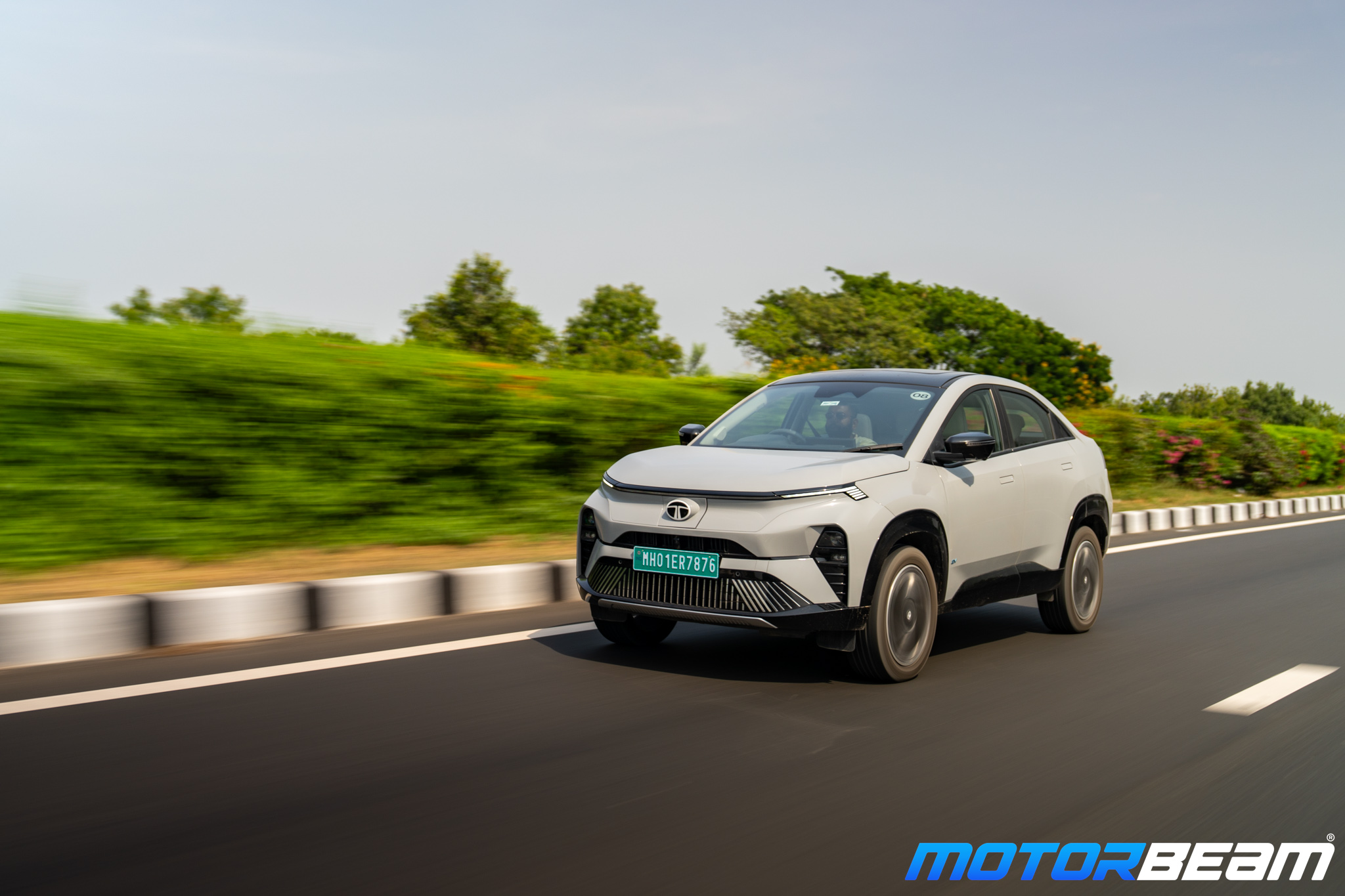
From October 1, 2026, all new electric vehicles must feature Acoustic Vehicle Alerting Systems (AVAS). Existing EV models get until October 2027 to comply. This mandate aligns India with global safety norms and ensures EVs remain pedestrian-friendly.
EVs are nearly silent at low speeds, creating risks for pedestrians, especially the visually impaired. AVAS generates artificial sounds to prevent accidents. By enforcing this, India ensures EVs match international safety benchmarks.
Manufacturers must adapt designs, add hardware, and integrate sound systems. Investing in R&D and testing facilities is required for compliance. However, these changes improve the export readiness and global competitiveness of Indian-made EVs.
Challenges
India must address supply chain dependence on imported batteries, semiconductors, and critical minerals. Local manufacturing ecosystems remain underdeveloped. Without strong infrastructure, scaling production to global standards will be difficult.
Cost competitiveness is another concern. Chinese automakers dominate with scale and subsidies. Indian firms must invest in efficiency, automation, and technology leadership to compete effectively.
Charging infrastructure remains limited, slowing EV adoption. Building a robust national charging network is essential. Skilled talent and advanced R&D investment are also critical.
Outlook
The Automotive Mission Plan requires strong execution with measurable milestones. Public-private partnerships must drive innovation and future mobility solutions. Incentives for exports and trade agreements will further strengthen India’s position.
Mandates like AVAS show India’s commitment to safety and global standards. Policy clarity and regulatory consistency will attract investment. Branding Indian vehicles as safe, reliable, and modern will help secure global trust.