Maruti Suzuki to expand Gujarat plant with dedicated EV production line
Maruti Suzuki India is preparing to strengthen its electric vehicle manufacturing capacity with the addition of a new dedicated production line at its Gujarat plant, scheduled to become operational by July. The move is aimed at addressing current capacity pressures while supporting the company’s expanding EV plans for both domestic sales and export markets.
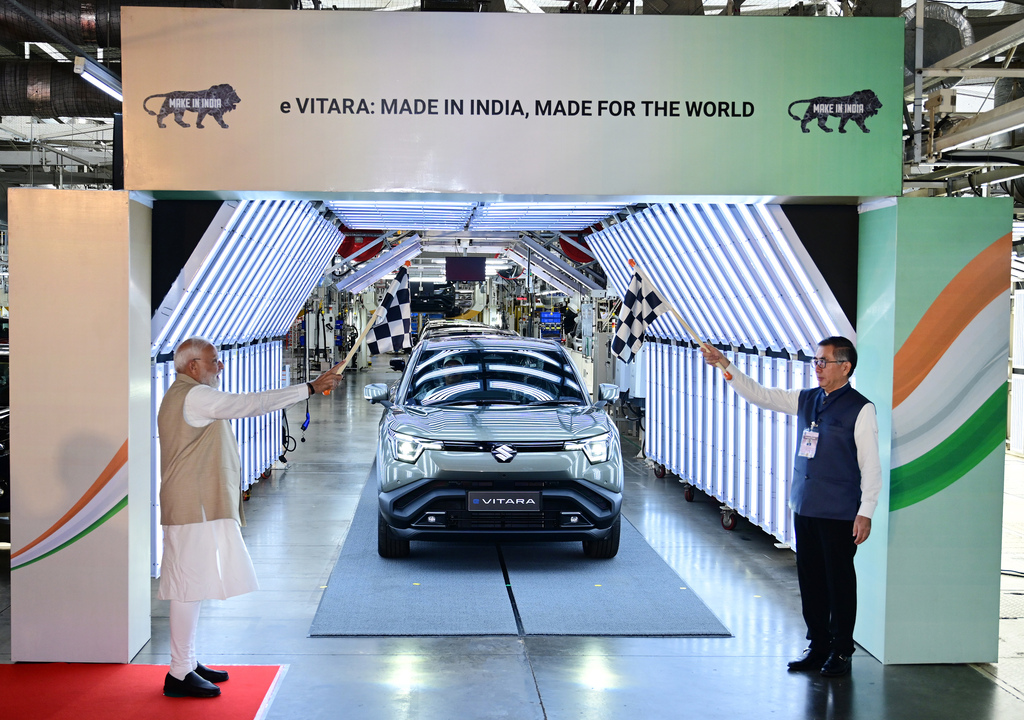
The upcoming line, internally referred to as “Production D”, is designed for an annual output of roughly 2.5 lakh vehicles. It will function alongside the plant’s existing three assembly lines and will be reserved exclusively for electric models. Production on this line is expected to include the Maruti eVitara, the Toyota Urban Cruiser Ebella and future EVs developed under the Maruti–Toyota collaboration.
Once the new facility becomes operational, total manufacturing capacity at the Gujarat site is set to increase from about 7.5 lakh units per year to approximately 10 lakh units annually.
Current production constraints
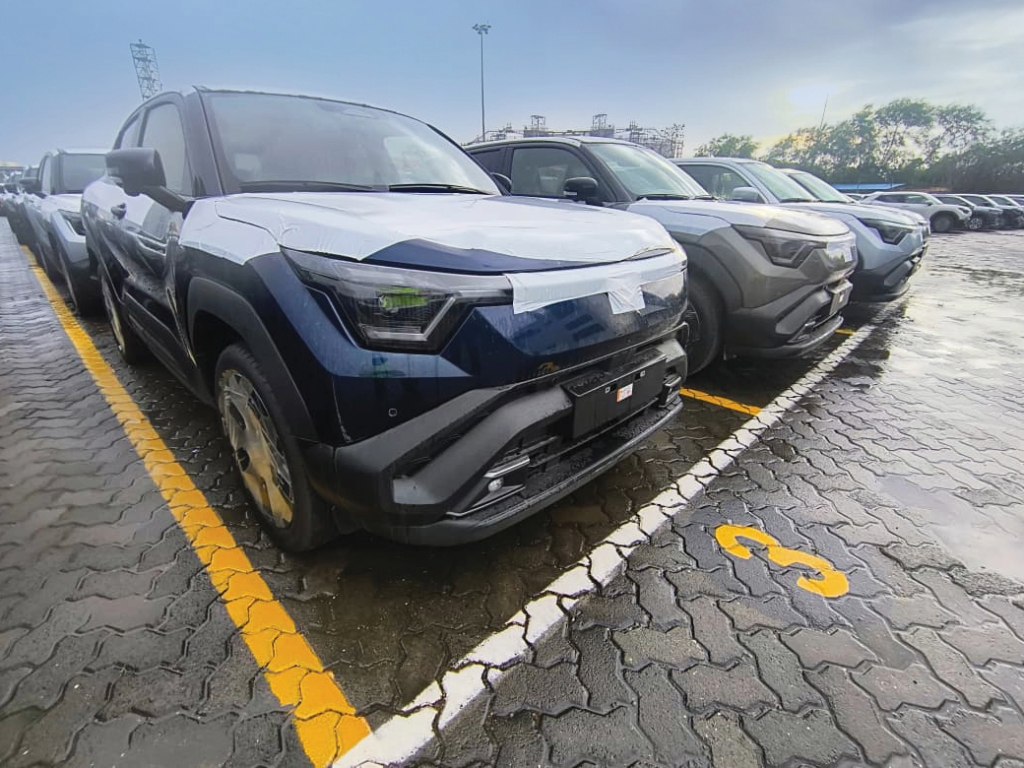
At present, electric models such as the eVitara and the Urban Cruiser Ebella share assembly infrastructure with internal combustion vehicles, including high-demand products like the Fronx. This shared setup has created scheduling challenges and contributed to supply constraints, particularly as several models continue to report extended waiting periods.
Company officials have acknowledged that capacity limitations remain a short-term concern and expect the situation to improve after the new line begins operations.
Demand remains strong
Maruti Suzuki recently reported its highest-ever monthly wholesale dispatches, with January volumes reaching nearly 2.37 lakh units, representing double-digit growth compared with the same period last year. Domestic shipments also set a January record, while exports saw a sharp rise.
Even with the increased dispatches, bookings continue to exceed supply levels. New orders have grown significantly year-on-year, and pending bookings remain well above the typical monthly backlog. Dealer inventory levels are also relatively tight, reflecting continued demand across the company’s portfolio.
The introduction of the dedicated EV production line is expected to help streamline manufacturing allocation, reduce supply-side pressure and support Maruti Suzuki’s broader transition toward electrified mobility.