Christian Horner departs Red Bull after 20 years amid internal shifts, Mekies steps in
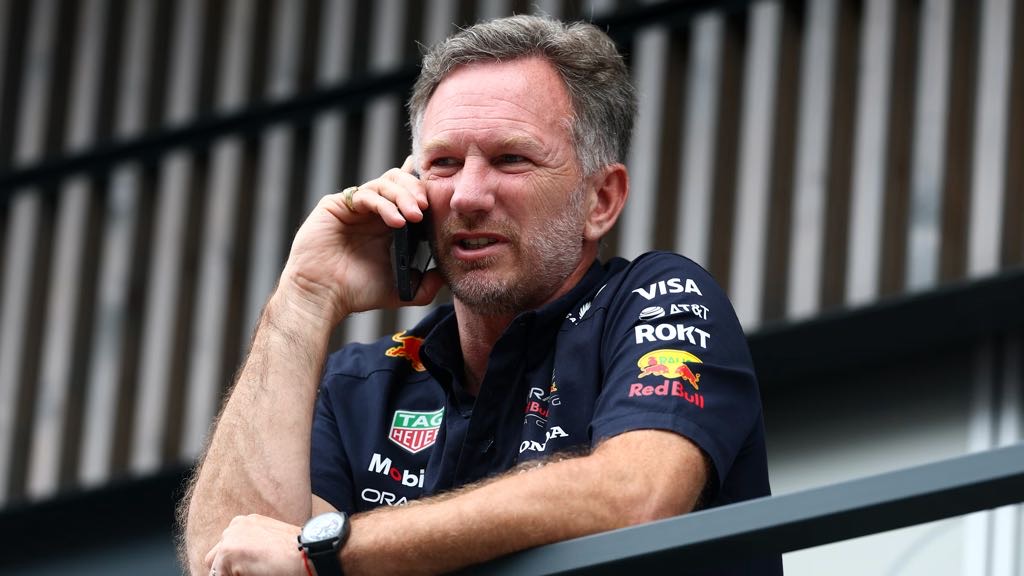
Christian Horner has been dismissed as team principal of Red Bull Racing after leading the Formula 1 outfit for 20 years. The decision, which comes in the aftermath of the British Grand Prix, marks a major shift for the Milton Keynes-based team that Horner helped transform into one of the most dominant forces in the sport.
The move was confirmed by Red Bull following a meeting with Horner on Tuesday evening, after which he addressed the team at their headquarters. Although the company did not provide an official reason for the decision, insiders suggest a combination of internal tensions, performance concerns and a decline in team harmony may have played a role.
Laurent Mekies, previously in charge of Red Bull’s sister outfit Racing Bulls, has been named as Horner’s successor. His appointment comes alongside further management reshuffling, with Alan Permane taking over leadership duties at Racing Bulls.
Horner’s exit follows a turbulent period for Red Bull Racing, both on and off the track. While Horner has guided the team through two eras of success, first with Sebastian Vettel from 2010 to 2013 and more recently with Max Verstappen since 2021, the last 18 months have seen mounting challenges. These include off-track controversy surrounding an internal investigation into misconduct allegations, which were ultimately dismissed and growing friction within the team’s leadership structure.
Significant departures have also weakened the team’s technical strength, most notably design chief Adrian Newey and long-time sporting director Jonathan Wheatley. On the track, Red Bull’s dominance has waned, with McLaren emerging as the leading contender and the team currently sitting fourth in the constructors’ standings, well behind McLaren, Ferrari and Mercedes.
Max Verstappen, the reigning four-time world champion, has carried much of the team’s performance burden this season, scoring nearly all of Red Bull’s points. Meanwhile, the second seat has remained unsettled, with drivers struggling to perform and frequent changes disrupting consistency.
The decision to part ways with Horner is seen by many as the culmination of a long-brewing internal power struggle. The ownership structure of Red Bull GmbH, split between the Austrian Mateschitz family and Thai stakeholder Chalerm Yoovidhya, has reportedly played a role, particularly as support from key backers began to fade.
Horner’s leadership has been pivotal since Red Bull’s entry into F1 in 2005. Appointed at just 31 years old, he helped recruit technical talent and oversaw the team’s rise from midfield to champions. The recent decline, however, combined with mounting scrutiny and a shift in internal dynamics, may have ultimately led to the decision to move on.
Mekies, a seasoned figure in F1 with experience at Ferrari and the FIA, now takes charge as Red Bull prepares for major regulatory and technical changes ahead of the 2026 season, including the launch of its own power unit. His appointment signals a desire to steady the ship and reshape the team’s future path.
Whether this change stabilises Red Bull or sparks further upheaval remains to be seen. The future of Verstappen, who has a performance-based exit clause in his contract, will be closely watched in the coming months.