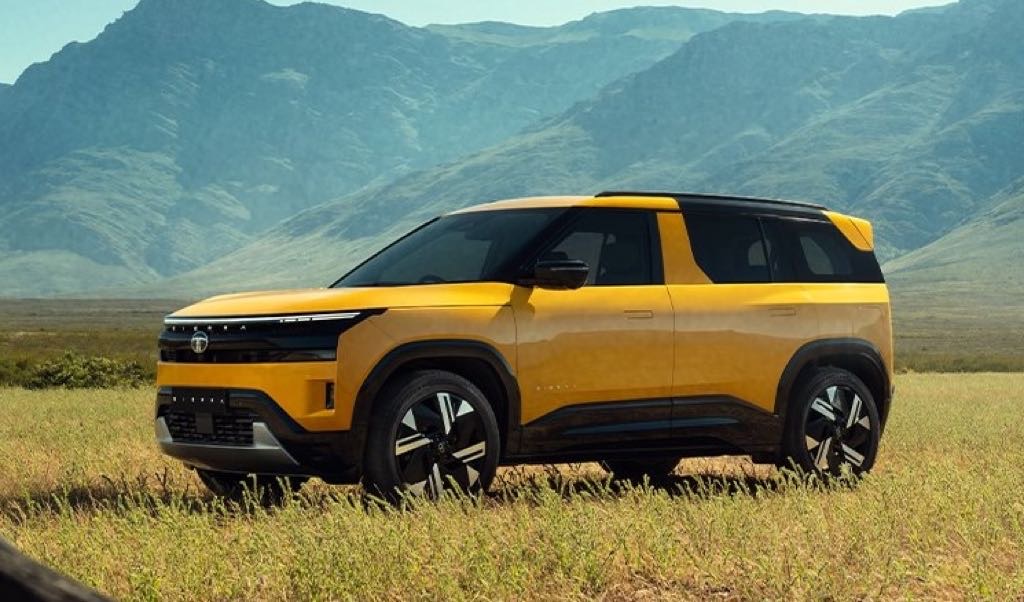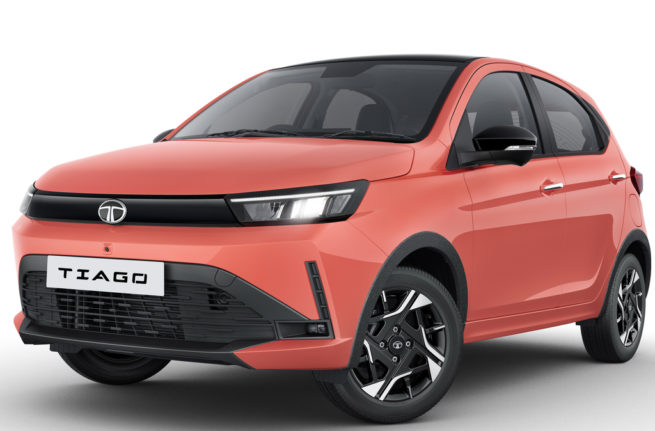


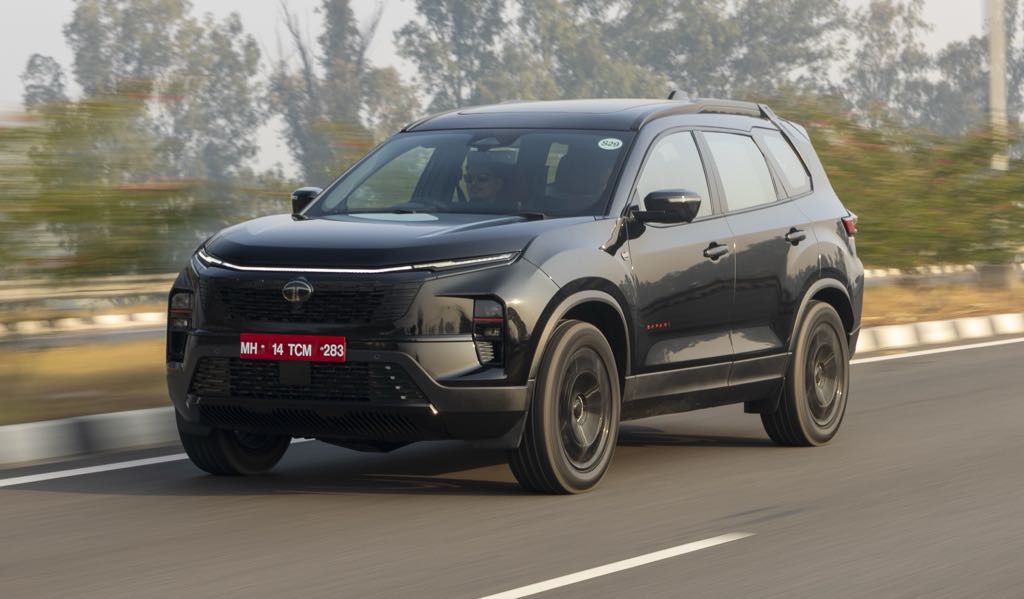
Tata Motors has outlined ambitious growth plans for its passenger vehicle business, targeting a market share of more than 20 percent in India by the end of the decade. The company believes a combination of sustained investments, new product introductions and network expansion will help it strengthen its position in an increasingly competitive market.
Speaking at Tata Motors’ dealer business planning meet in Goa, Chairman N Chandrasekaran said the Indian passenger vehicle industry could expand significantly over the next few years. If annual industry volumes reach around 60 lakh units by 2030, Tata Motors would need to achieve sales of roughly 12 lakh vehicles to secure a market share exceeding 20 percent.
To support its long-term growth strategy, the automaker has earmarked Rs. 35,000 crore in capital expenditure through 2030. Chandrasekaran noted that the company remains open to adjusting investment levels depending on market developments and emerging opportunities.
Tata Motors has steadily expanded its presence in the passenger vehicle segment over the past decade, aided by the success of models across multiple body styles and powertrain options. The company has also been among the earliest mainstream manufacturers to invest heavily in electric mobility, a move that management believes has helped establish a strong foothold in the EV market.
According to Chandrasekaran, future growth will depend not only on product development but also on execution speed and the company’s ability to respond to changing customer preferences. He added that maintaining momentum would require continued investment in technology, manufacturing and product expansion.
The chairman also highlighted the role of dealerships in driving customer satisfaction, emphasising the importance of both sales and after-sales service experiences. Strengthening the retail network and improving customer engagement are expected to remain key priorities as Tata Motors pursues its growth objectives.
The company’s aspirations come at a time when it continues to gain ground in the domestic market. Tata Motors Passenger Vehicles recently reported monthly sales of 59,790 units, reflecting strong year-on-year growth. Based on VAHAN registration data, the automaker has also consolidated its position as India’s second-largest passenger vehicle manufacturer, trailing Maruti Suzuki while remaining ahead of Hyundai.
With substantial investments planned and a growing model lineup, Tata Motors is positioning itself for the next phase of expansion. However, achieving a 20 percent-plus market share by 2030 will depend on overall market growth, competitive dynamics and the company’s ability to convert its investments into sustained sales momentum.