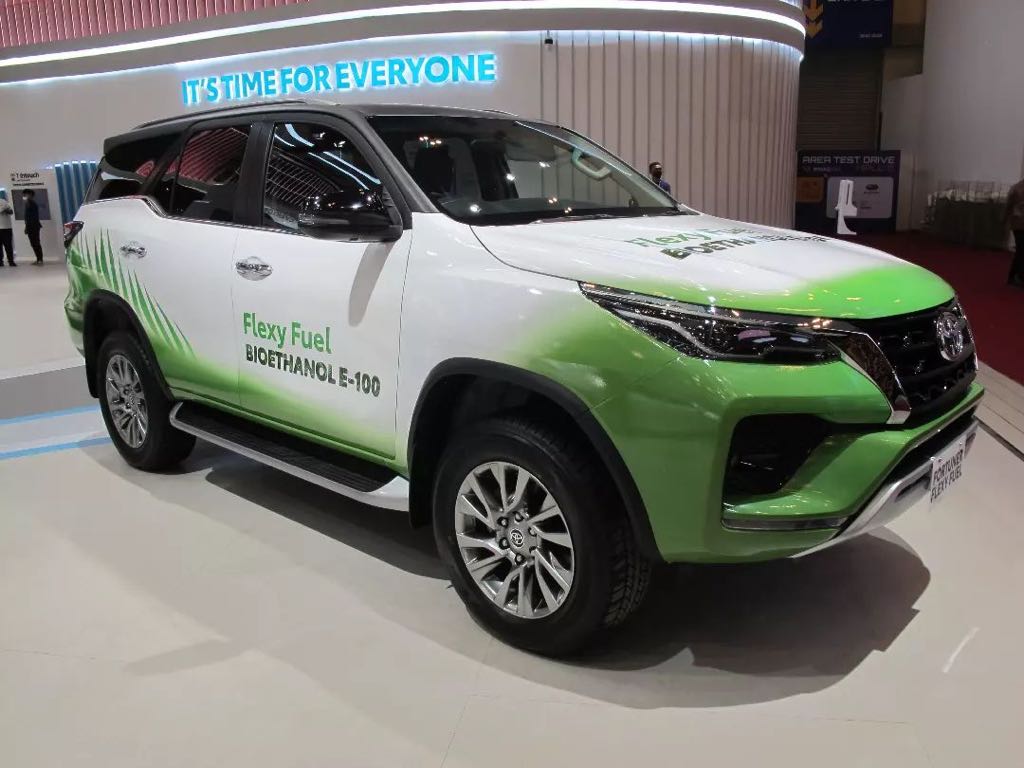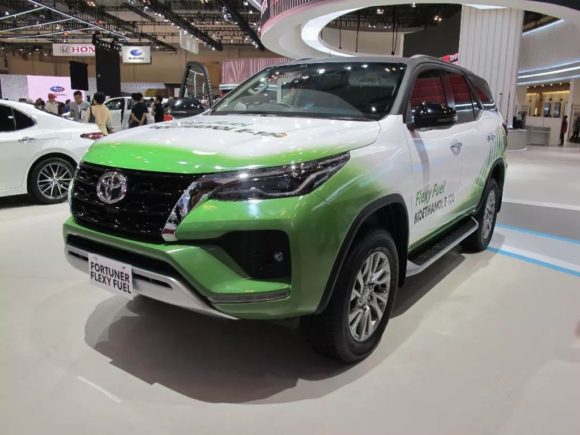



Toyota calls for revised taxation to support flex-fuel and hybrid adoption
Toyota Kirloskar Motor has urged the Union government to reevaluate the tax structure applied to flex-fuel and hybrid flex-fuel vehicles, stating that the current framework adds significantly to production costs and could slow adoption. The company raised the issue during a media interaction at Triveni Engineering’s Sabitgarh sugar mill, where it highlighted the gap between technology development and taxation policy as India accelerates ethanol blending efforts.
According to Toyota, flex-fuel systems add around Rs. 40,000 – Rs. 50,000 to the cost of manufacturing a vehicle, while strong hybrid versions with the same technology can increase costs by more than Rs. 3 lakh. When taxes are applied on top of this, the price escalation becomes substantial, making such vehicles difficult to price competitively. The company believes that aligning taxation with the environmental merit of these technologies could make them commercially viable, particularly in the early stages of market transition.
Toyota also emphasised that strong hybrid flex-fuel vehicles offer a practical bridge toward wider electrification in India by reducing reliance on imported raw materials, which are subject to geopolitical volatility, including trade tensions and supply restrictions.
Industry representatives pointed out that India currently produces more ethanol than it consumes, with oil marketing companies committing to increased procurement for the 2025-26 season. Even after meeting demand from fuel blending and industrial use, a substantial surplus is expected, suggesting the capacity exists to scale flex-fuel mobility.
While the country achieved its target of 20 percent ethanol blending ahead of schedule, stakeholders say challenges around consumer incentives, lifecycle emissions accounting and taxation still need resolution. There are also concerns regarding fuel efficiency with higher ethanol blends. Toyota maintains that pairing ethanol with hybrid powertrains could mitigate this issue by improving range and performance.
The company noted that upcoming CAFE regulations acknowledge a spectrum of cleaner technologies – including electric, flex-fuel and electrified flex-fuel systems – indicating policy momentum in that direction. Toyota believes leveraging ethanol, a readily available domestic resource, could strengthen India’s automotive ecosystem while reducing emissions and sustaining internal combustion technologies in cleaner form.