




VinFast extends free EV charging in India until March 2029
VinFast has announced an extension of its complimentary charging program for electric vehicle customers in India, pushing the validity from July 2028 to March 31, 2029. The benefit applies to both existing and new buyers of VinFast electric vehicles, allowing them to use the company’s charging network without cost during this period.
The free charging initiative is part of VinFast’s V-Green ecosystem, its proprietary charging infrastructure aimed at supporting EV adoption. In India, this network is being developed with the support of local partners to improve accessibility and coverage across key regions.
As part of its expansion strategy, VinFast had previously partnered with RoadGrid to deploy fast-charging stations in high-demand locations. The collaboration also extends to select outlets operated by Hindustan Petroleum Corporation Limited (HPCL), enabling wider access to charging facilities. While RoadGrid is responsible for identifying locations and handling on-ground operations and maintenance, VinFast manages the broader ecosystem, including software integration and network ownership.
In addition to charging infrastructure, RoadGrid has also been involved in supporting VinFast’s aftersales network, with plans to establish service workshops across the country. However, the company has not disclosed the total number of operational charging points currently available in India.
Globally, VinFast operates an extensive charging network in its home market of Vietnam, and similar initiatives are being rolled out in countries such as Indonesia and the Philippines.
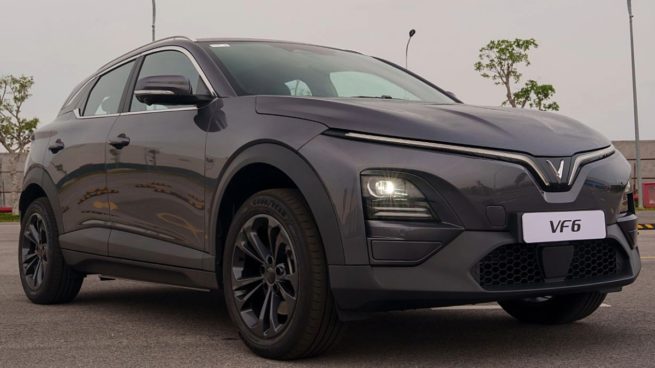
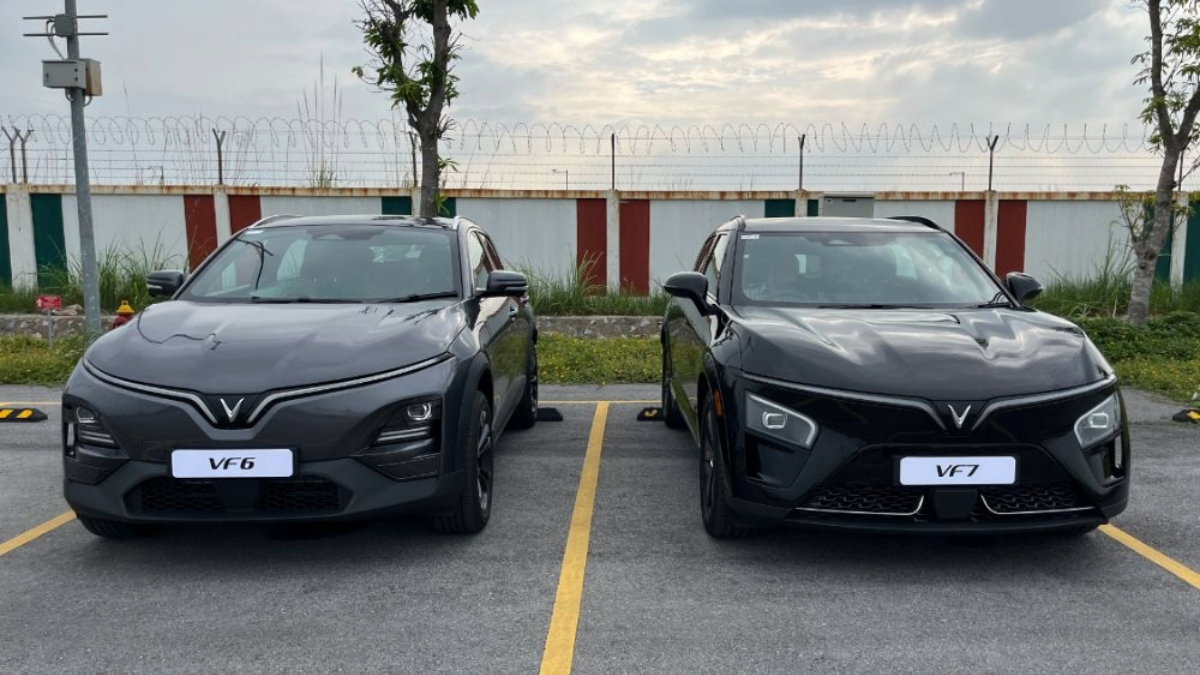
VinFast’s current portfolio in India includes the VF6 and VF7 electric SUVs, both of which were introduced in September 2025. Alongside its charging initiatives, the brand has also introduced limited-period programs such as exchange incentives aimed at encouraging the shift from internal combustion engine vehicles to electric mobility.
The extension of the free charging policy reflects VinFast’s broader strategy to reduce running costs for EV users and support the transition towards electric mobility, although the long-term sustainability of such incentives will depend on network expansion and usage patterns.