


Volkswagen is reportedly in advanced discussions with the JSW Group for a strategic investment in its Indian operations, a development that could significantly reshape the German automaker’s long-term strategy in the country.
The proposed transaction could see JSW acquire a controlling stake in Skoda Auto Volkswagen India. While negotiations are said to be progressing, discussions on valuation, investment size and future capital commitments are still underway, and the deal has not been finalised.
If completed, the partnership would represent a major strategic shift for Volkswagen, which has largely operated its Indian passenger vehicle business independently since entering the market in 2007. Unlike several global automakers that entered India through local joint ventures, Volkswagen established a wholly owned business and invested heavily in manufacturing, localisation and product development.
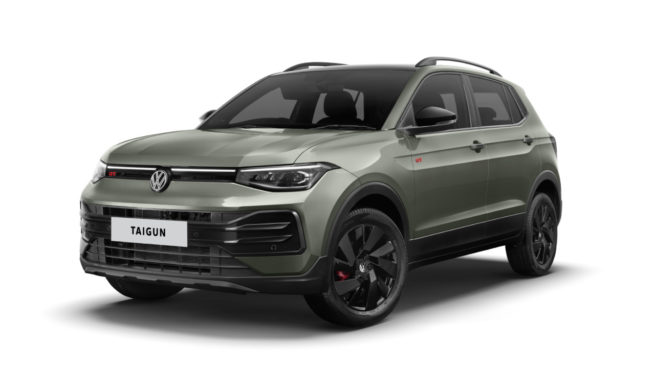
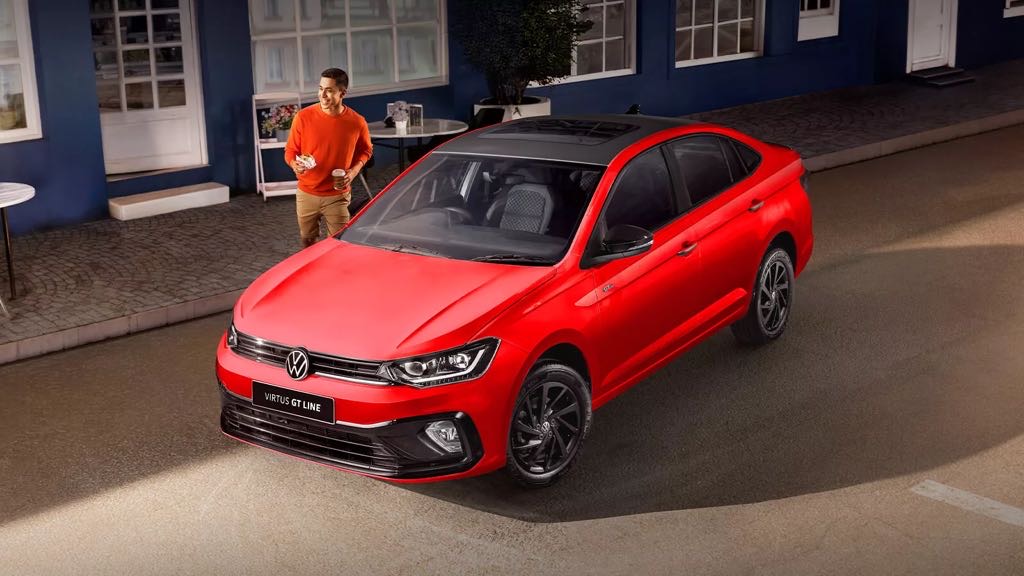
The company currently manufactures vehicles at its Pune facility, which has an annual production capacity of over 2,25,000 units and its Chhatrapati Sambhajinagar plant, capable of producing around 60,000 vehicles annually. Under its India 2.0 strategy, Volkswagen developed highly localised products including the Volkswagen Taigun and Virtus, as well as the Skoda Kushaq and Slavia.
Despite these investments, the group has remained a relatively small player in India’s passenger vehicle market. Industry data from the Society of Indian Automobile Manufacturers (SIAM) shows that Volkswagen and Skoda together accounted for around 2% of the domestic passenger vehicle market at the end of the June quarter, while holding approximately 10% of vehicle exports.
A spokesperson for Skoda Auto Volkswagen India said the company continues to evaluate business opportunities as part of its long-term strategy for the Indian market. While declining to comment on market speculation, the spokesperson reiterated the group’s commitment to expanding its presence and offering mobility solutions tailored to Indian customers.
JSW Group has not publicly commented on the reported discussions.
The potential partnership comes as India’s automotive industry undergoes rapid transformation with increasing adoption of electric vehicles, growing software integration and evolving consumer preferences. For Volkswagen, working with a domestic partner could provide additional financial resources, local market expertise and strategic support as competition intensifies.
The move would also be consistent with Volkswagen’s approach in other major global markets. In China, the company built its business through joint ventures with SAIC Motor and FAW Group, partnerships that helped establish one of its largest international operations.
Although there is no confirmation that an agreement will be reached, the reported talks suggest Volkswagen is exploring new approaches to strengthen its position in one of the world’s fastest-growing automotive markets.