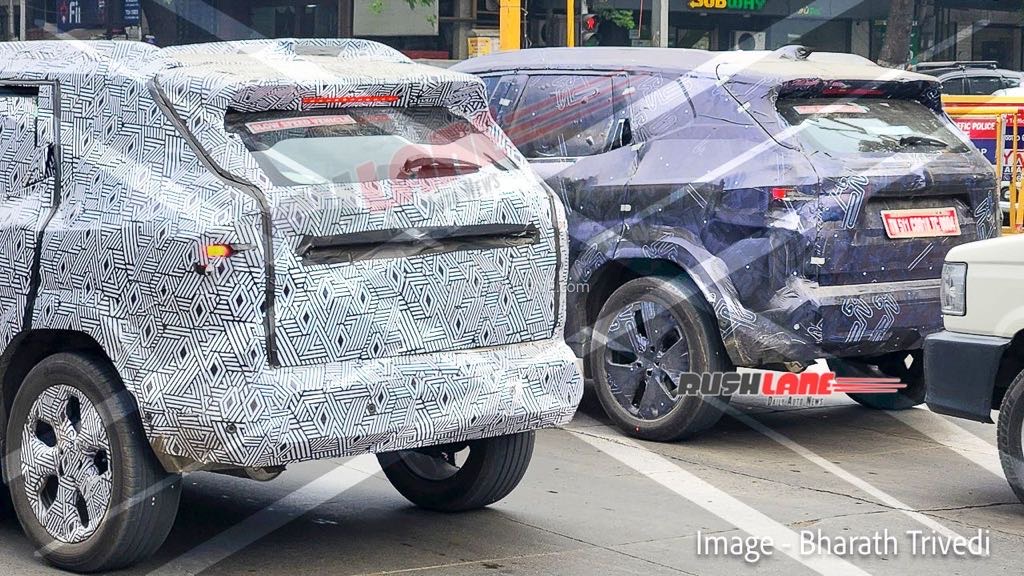
New gen Renault Duster & Nissan Tekton spotted testing together ahead of launch
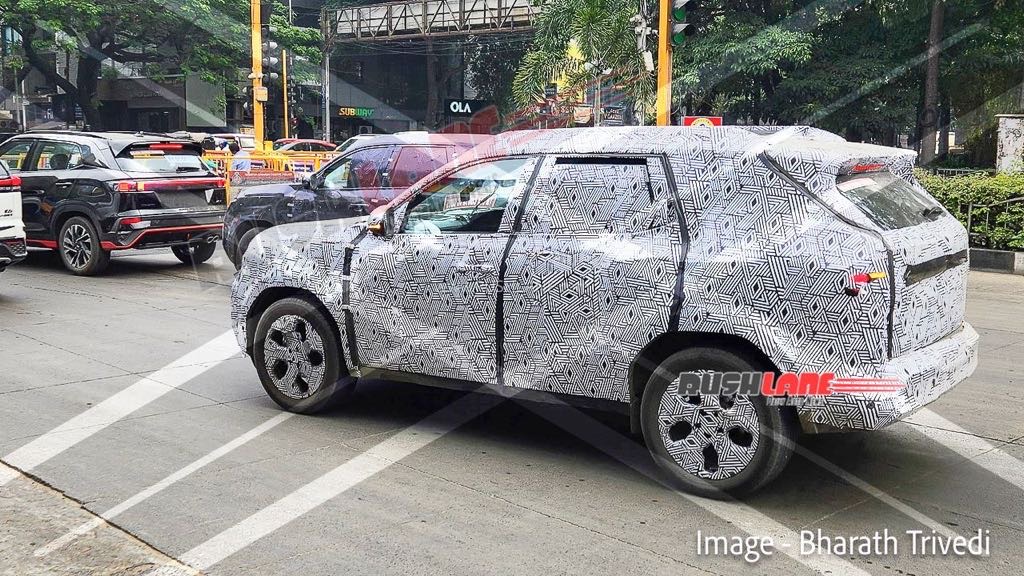
The third generation Renault Duster and its Nissan counterpart, the Nissan Tekton, have been spotted testing together on Indian roads ahead of their respective launches. The two compact SUVs were seen undergoing road tests alongside the Hyundai Creta, offering a clear size and positioning reference.
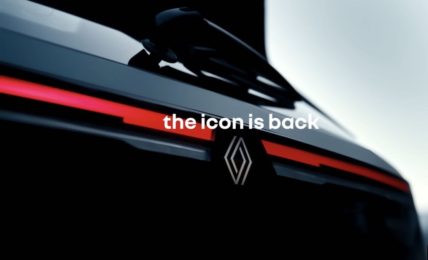
Renault has confirmed that the new generation Duster will make its India debut on 26 January, while the Nissan Tekton is expected to follow in the second quarter of calendar year 2026. Both SUVs are part of the Renault–Nissan alliance strategy and will share platforms and powertrains while maintaining distinct brand identities.
Design similarities and differences
Built on the CMF-B platform, the new Duster and Tekton share a similar overall shape. The test vehicles reveal comparable proportions, including the beltline, window layout, roofline, roof-mounted spoiler and ground clearance. Elements such as the raked windshield and exhaust placement also appear identical.
That said, each model will feature unique exterior styling once the camouflage is removed. The upcoming Duster is expected to showcase Y-shaped LED daytime running lamps and tail lamps, while the Tekton will adopt Nissan’s signature C-shaped lighting design. Differences will also extend to the grille design and front and rear bumpers.
From the side, both SUVs are likely to get different alloy wheel designs and distinct door cladding, though shared elements such as pronounced wheel arches, dual-tone ORVMs with integrated indicators and C-pillar-mounted rear door handles will remain common. Brand-specific colour options are also expected.
Cabin layout and features
Inside, the new Duster and Tekton are expected to offer a largely shared feature set with a focus on modern technology and everyday usability. Both SUVs are likely to benefit from improved sound insulation, a spacious cabin layout and ample storage solutions.
Expected features include automatic climate control with dual-zone functionality, wireless phone charging, keyless entry, electric parking brake, premium upholstery and a higher-end audio system. Test mules spotted earlier suggest that India-specific features such as a triple-screen dashboard layout and a powered tailgate could also make it to production models.
Safety and technology
Safety will be a key focus, with both SUVs expected to offer six airbags, electronic stability control, traction control, hill start and hill descent assist, front and rear parking sensors and a rear-view camera. Higher variants could additionally get a 360-degree camera, tyre pressure monitoring system and ADAS Level 2 features.
Engine options
Both SUVs will share the same powertrain lineup. The initial offering is expected to be a 1.3-litre turbo-petrol engine, with strong hybrid and CNG options planned for a later phase. An all-wheel-drive option is also reported to be under consideration. More official details will be revealed during the Duster’s India debut later this month.