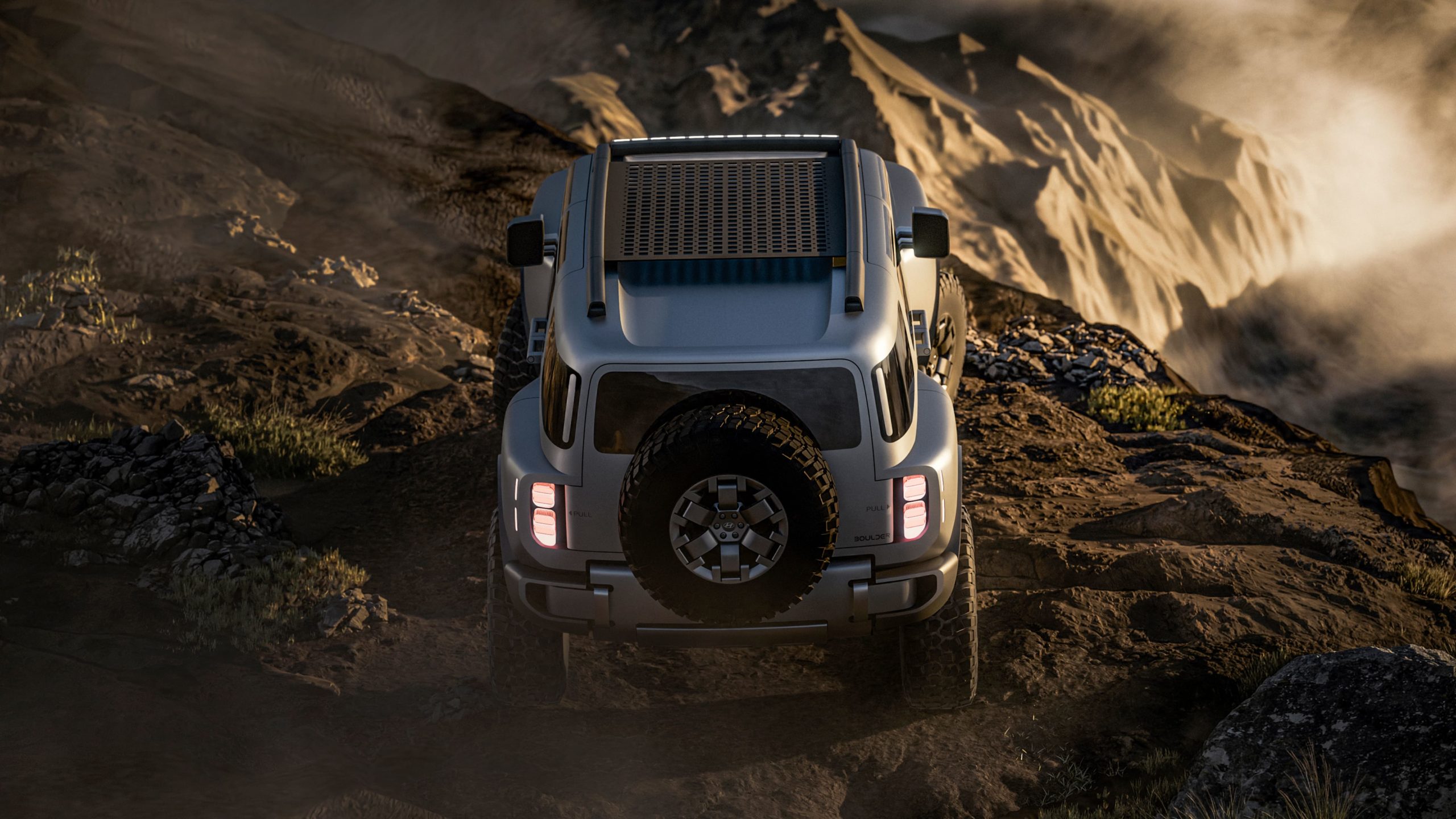
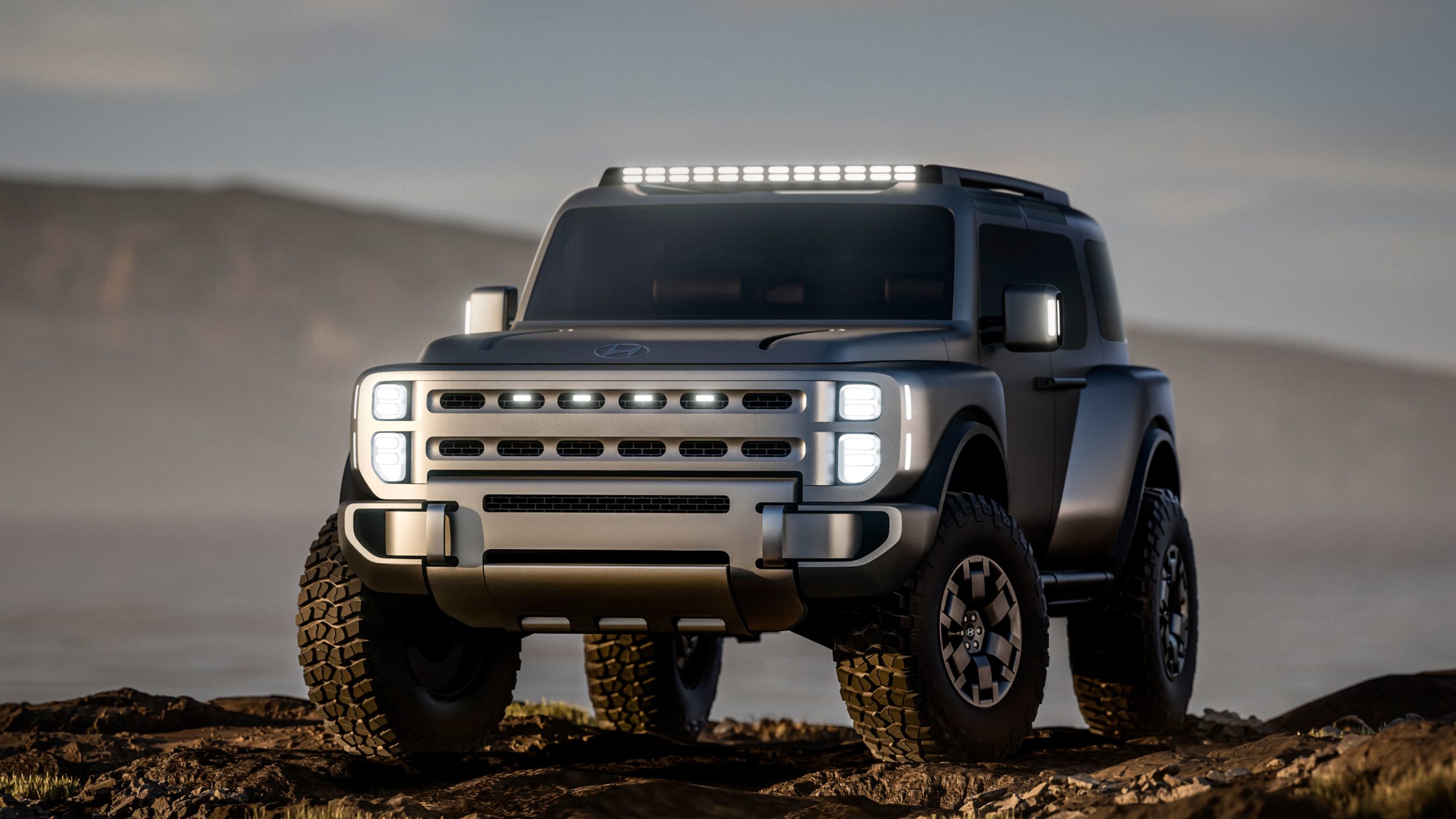
Hyundai has unveiled the Boulder Concept at the New York International Auto Show 2026, offering a glimpse into its future in the rugged SUV and pickup segment. The concept is especially significant as it previews the brand’s first-ever body-on-frame architecture, a setup typically used for serious off-roaders and pickup trucks. This platform is expected to underpin a future pickup truck for the US market, which Hyundai plans to introduce by 2030.
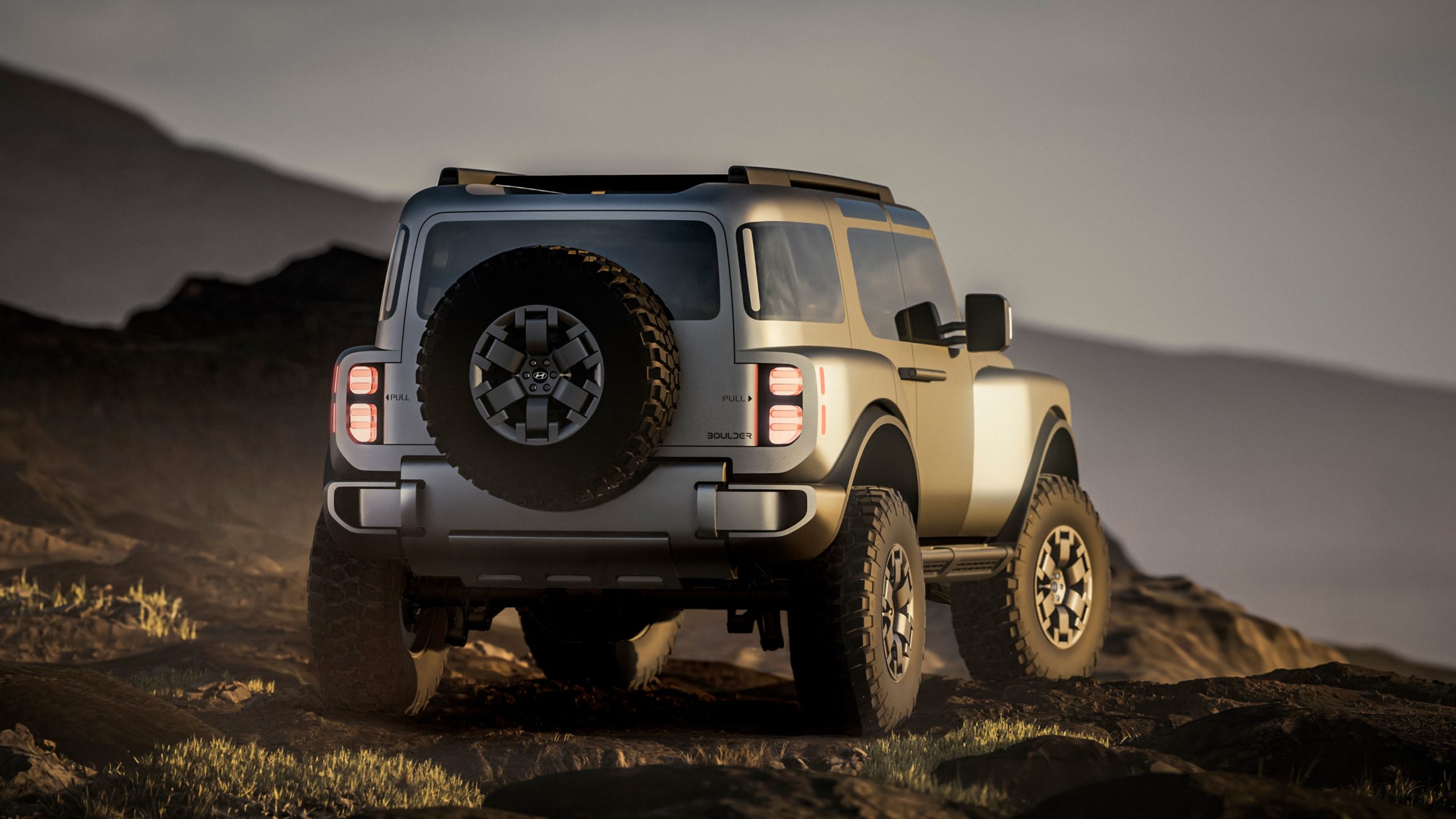
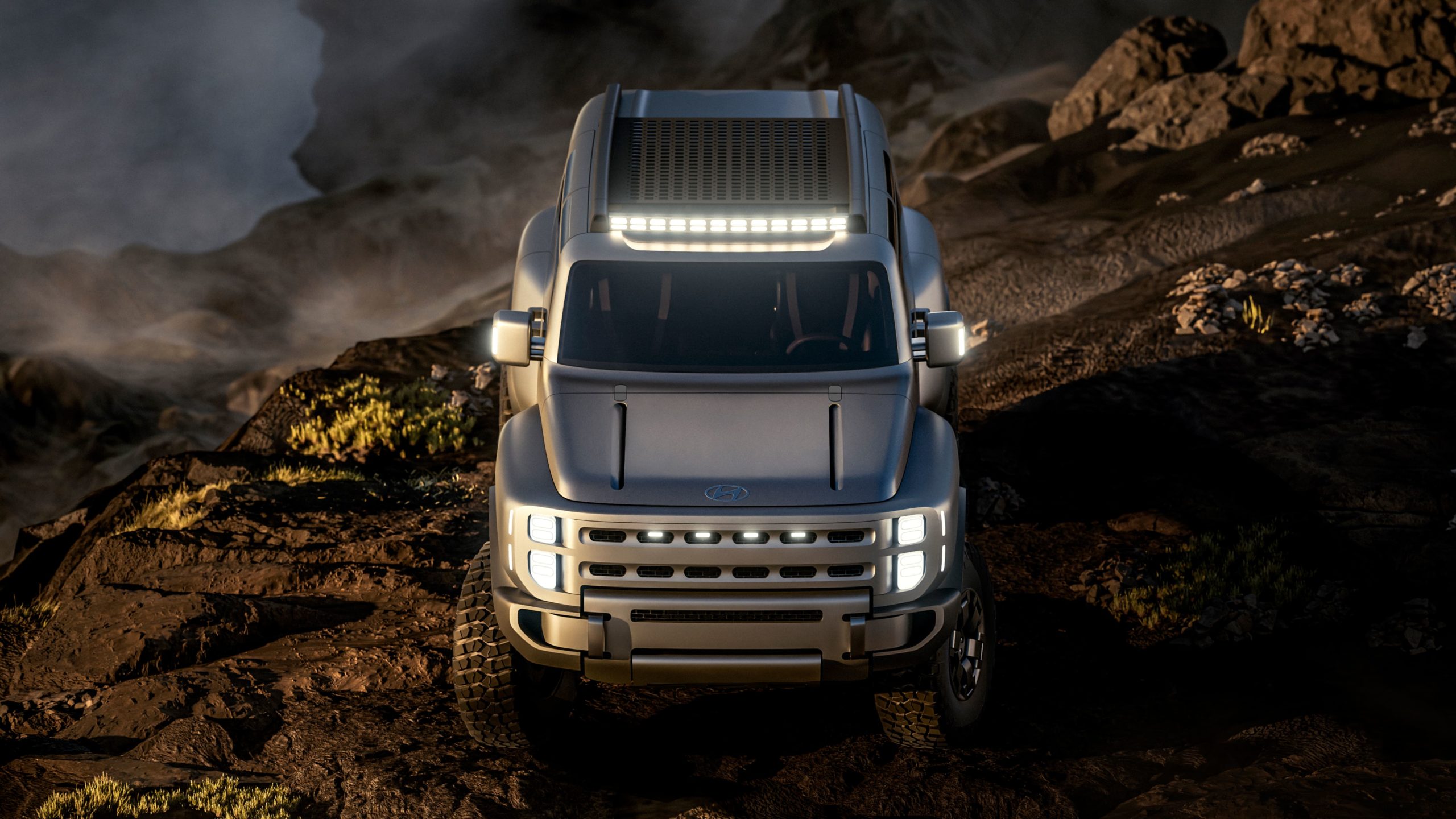
In terms of design, the Boulder Concept follows a bold and rugged approach. It uses Hyundai’s ‘Art of Steel’ design language, giving it a boxy and upright stance. The front features a muscular bonnet, unique pill-shaped lighting elements forming an ‘H’ in Morse code, and vertically stacked LED headlamps. The SUV also gets off-road-focused elements like tow hooks, wide fenders, high ground clearance, and 18-inch wheels with all-terrain tyres. Functional additions such as side steps, a roof rack with LED lighting, and even suicide doors add to its concept appeal. At the rear, a double-hinged tailgate and a full-size spare wheel enhance practicality, while a roll-down rear windscreen allows for carrying longer items.
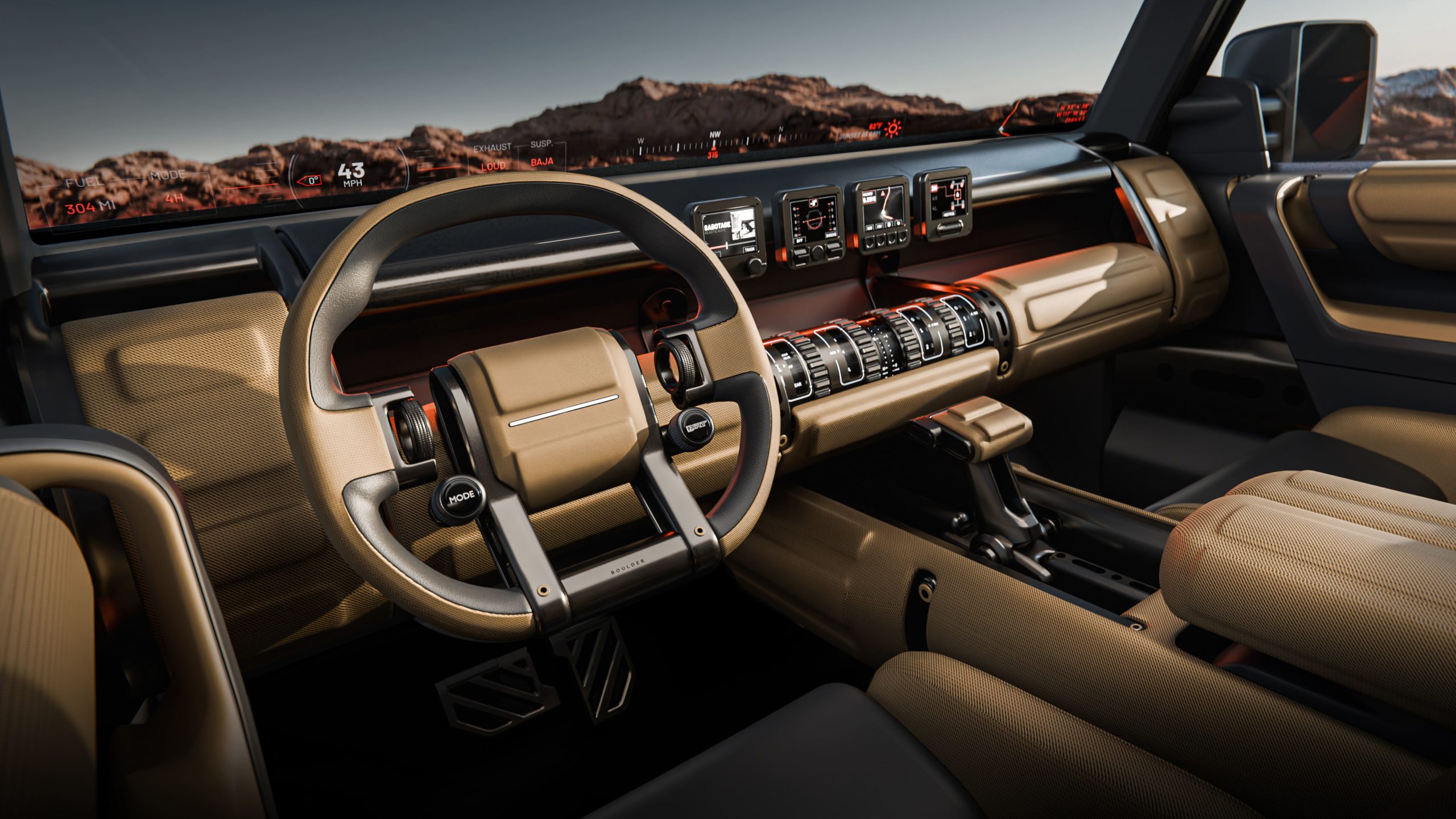
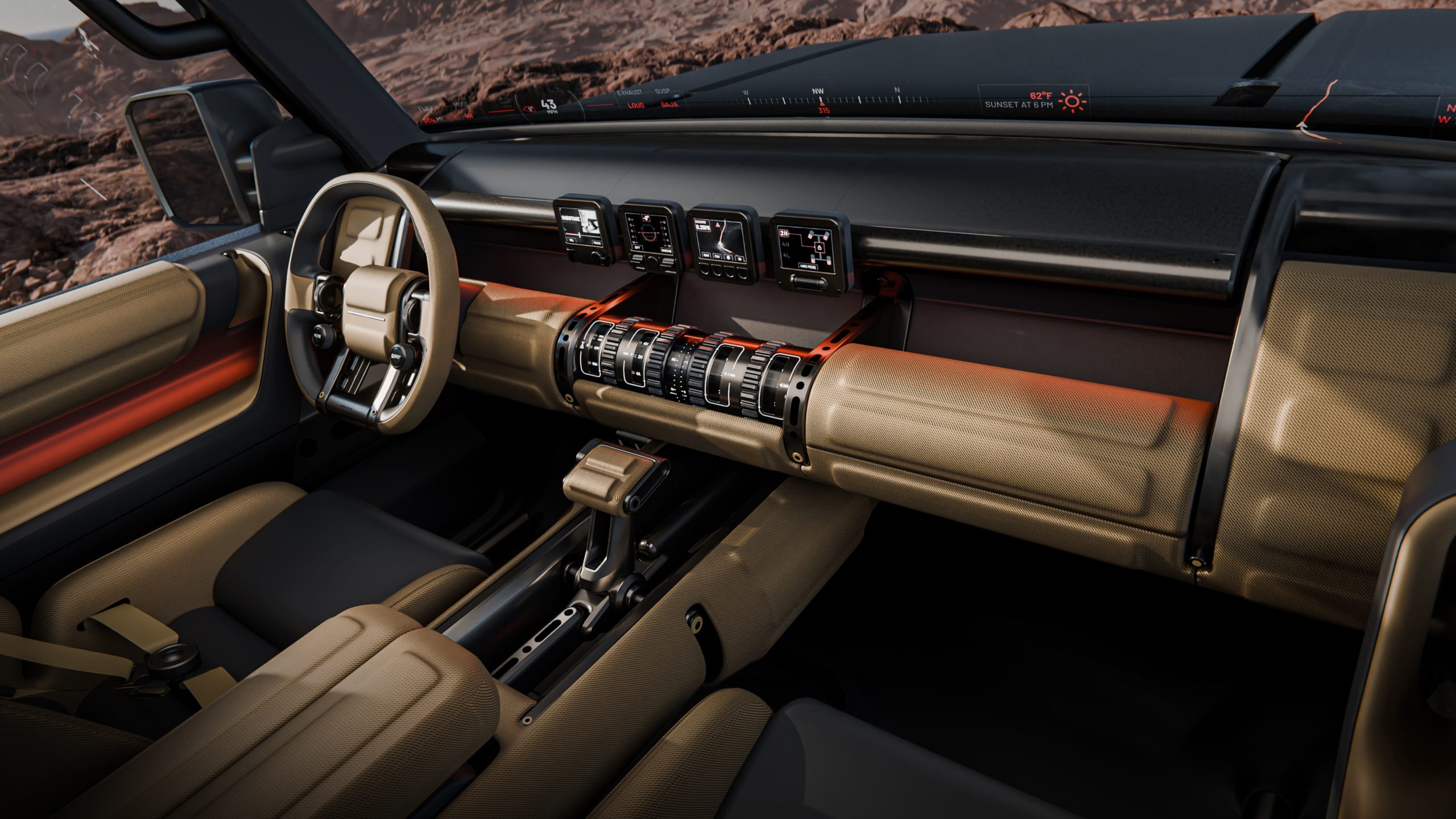
Inside, the cabin continues the rugged theme with a mix of durable materials and modern technology. It features a beige-and-black layout, a flat-bottom steering wheel with rotary controls for off-road modes, and a wide head-up display. The centre console houses four screens that manage navigation, media, and off-road data. One of the key highlights is a software-driven real-time off-road guidance system, designed to act like a digital spotter and assist drivers in challenging terrains.
While the Boulder itself is not expected to go into production, it plays an important role in showcasing Hyundai’s future direction. The new body-on-frame platform signals the brand’s intent to enter the competitive pickup segment in the US. For India, Hyundai has indicated plans for a different approach, with a monocoque SUV that will offer some off-road capability, expected to arrive by 2030.