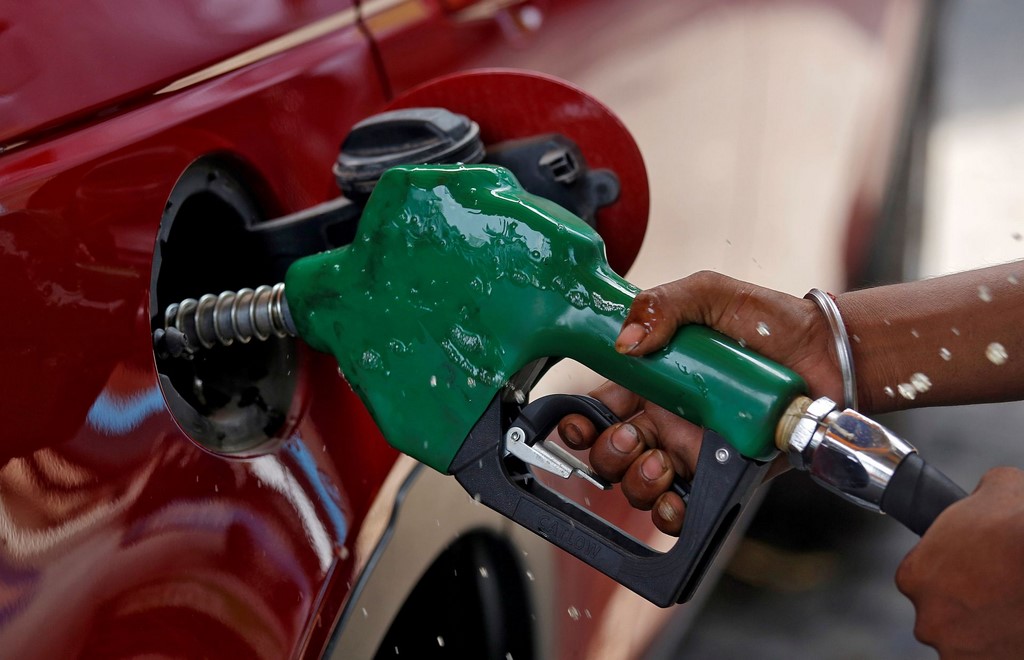



A 2021 study conducted by the Automotive Research Association of India (ARAI) has resurfaced amid the ongoing debate over E20 petrol. The study examined how a 20 percent ethanol blend affects materials commonly used in vehicle fuel systems. While it found no significant impact on metal components, certain rubber and plastic materials showed greater deterioration when compared with E10 fuel under laboratory conditions.
As part of the study, ARAI tested eight metals, six elastomer (rubber) materials and four plastics that are commonly used in fuel-system components. The materials were immersed in both E20 and E10 fuels under controlled conditions. Researchers then evaluated changes in corrosion, weight, volume, tensile strength, hardness and other physical properties.
The findings showed that metal components did not experience any significant increase in corrosion when exposed to E20. However, some elastomers, including NBR-PVC blends and Epichlorohydrin, showed higher levels of deterioration than with conventional petrol. The plastic material PA66 also recorded greater changes in tensile strength and volume. These materials are commonly used in fuel hoses, seals, O-rings, gaskets and other fuel-system parts.
The study does not conclude that E20 causes immediate mechanical failures but suggests that prolonged exposure could accelerate wear in certain fuel-system materials used in vehicles that were not originally designed for higher ethanol blends.
A separate 2021 report by NITI Aayog also referred to vehicle-level studies on E20 fuel. It noted that fuel economy could reduce by up to 6 percent, depending on the type of vehicle. At the same time, the report stated that the test vehicles completed durability and drivability evaluations without severe malfunctions, abnormal engine wear, excessive deposits or engine oil deterioration.
In recent months, some vehicle owners have attributed mechanical issues to E20 fuel. However, there is currently no conclusive evidence establishing E20 as the direct cause. In one such case involving an Innova HyCross, Toyota said the engine problem was caused by contaminated fuel and not ethanol-blended petrol.
Vehicles manufactured from April 2023 onwards are required to be E20-material compliant, making them better suited for higher ethanol content. The concerns mainly apply to older vehicles that were originally developed for lower ethanol blends. Although aftermarket ethanol compatibility kits are available for some models, manufacturers have not widely introduced official upgrade kits.
Looking ahead, the Bureau of Indian Standards (BIS) has notified specifications for higher ethanol blends, including E22, E25, E27 and E30. ARAI has also been tasked with studying the impact of E25 fuel on both E10- and E20-compliant vehicles. Meanwhile, the Ministry of Heavy Industries continues to state that ARAI’s vehicle trials found no significant adverse impact of E20 on engine performance.