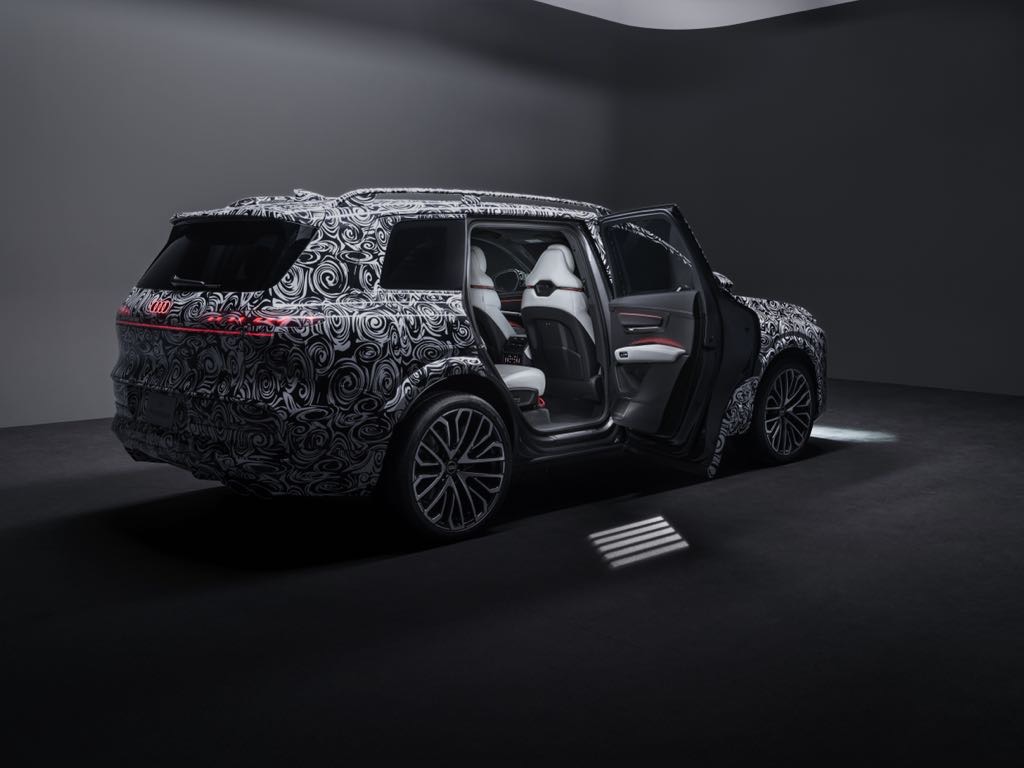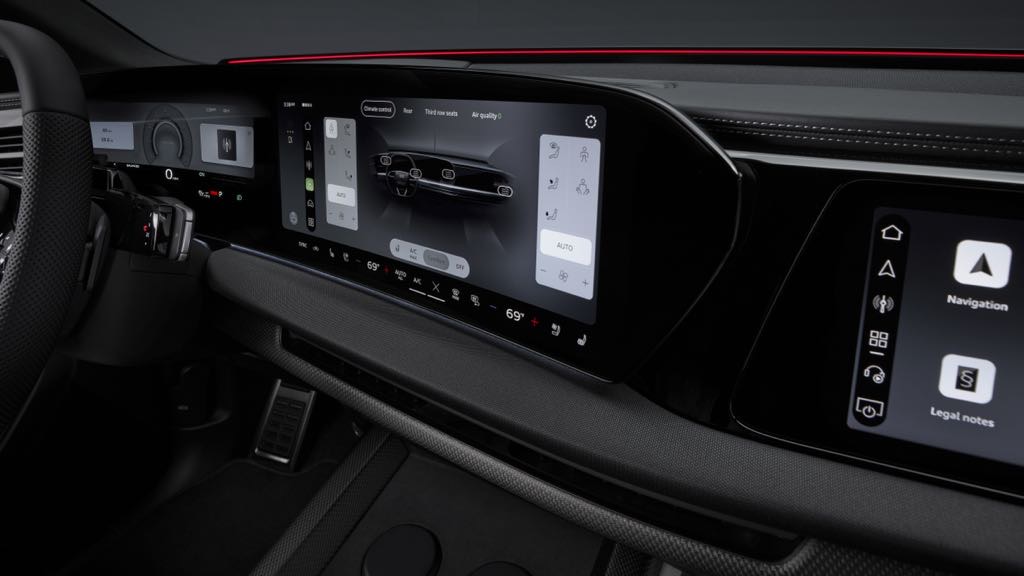

Audi has offered an early look at the interior of its upcoming flagship SUV, the Audi Q9, highlighting a strong focus on space, comfort and in-cabin technology ahead of its global debut.
Positioned as the brand’s first full-size SUV, the Q9 is designed to prioritise interior experience over outright performance figures. According to Audi CEO Gernot Döllner, the model reflects a shift in how the brand defines its “Vorsprung durch Technik” philosophy, with greater emphasis on making the cabin a refined, multi-purpose living space.
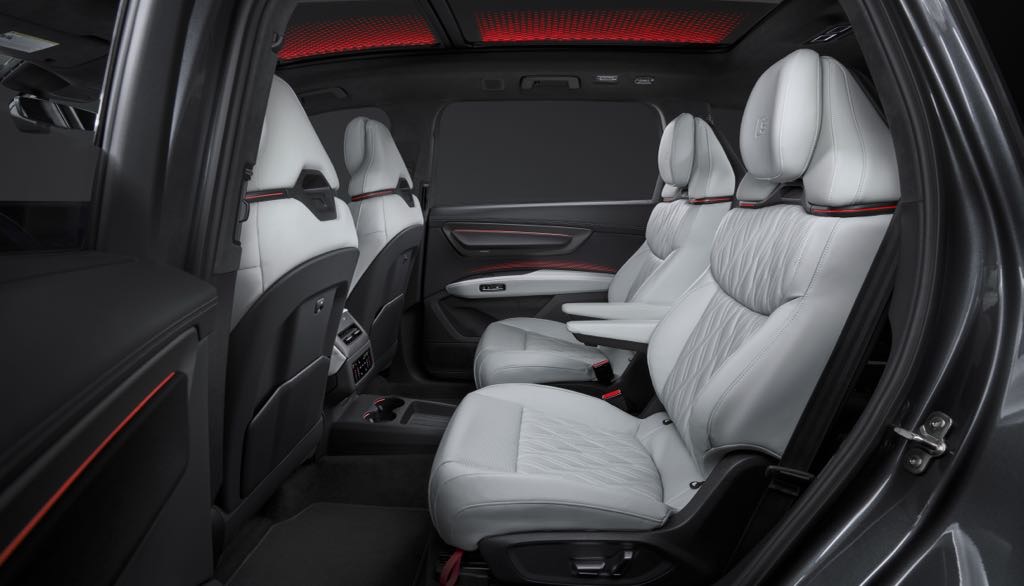
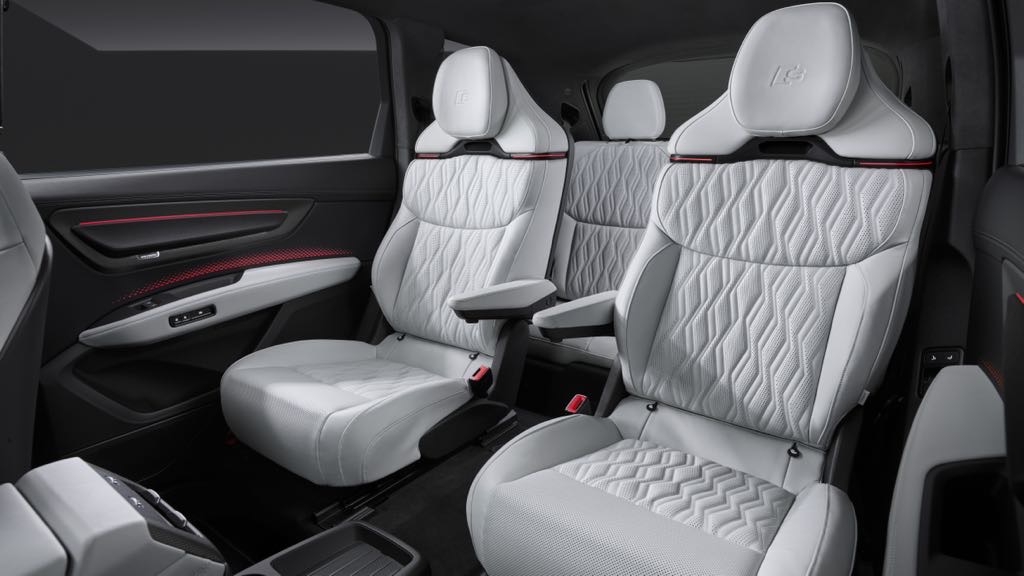
At the core of the Q9’s interior is a spacious cabin layout that can be configured with either six or seven seats. The six-seat version features two individual electrically adjustable seats in the second row, offering ventilation and enhanced comfort similar to business-class airline seating. The seven-seat configuration, on the other hand, is aimed at larger families and allows for child seats to be installed across the second row. All seats come with partial electric adjustment as standard, while the third-row seats can be folded electronically to expand luggage capacity.
A notable addition is the introduction of fully electric doors, a first for Audi. These can be operated through multiple interfaces including the key, infotainment system and even the brake pedal or seatbelt mechanism. The doors also feature obstacle detection through surround sensors, improving safety in tight parking conditions and helping detect approaching road users such as cyclists.
The Q9 also incorporates a large panoramic sunroof measuring around 1.5 square metres. It uses switchable transparency technology, allowing sections of the glass to turn opaque at the touch of a button. The system blocks more than 99.5 percent of UV radiation and eliminates the need for a conventional sunblind. Additionally, the top-spec variant integrates ambient lighting within the roof using 84 LEDs capable of displaying multiple colour options.
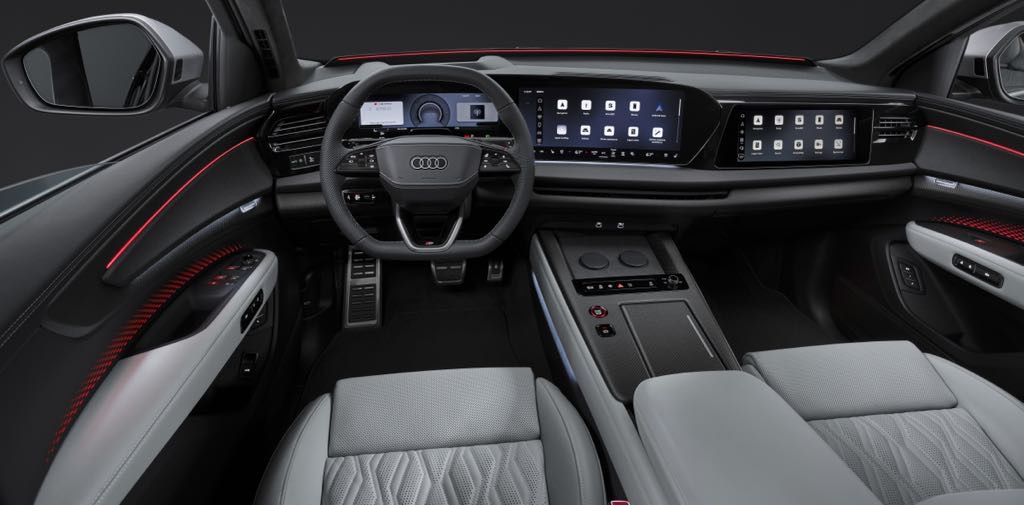
Audi has paid particular attention to lighting and sound within the cabin. A full-width interaction light strip enhances communication between the car and occupants while also syncing with music playback. This works alongside a Bang & Olufsen 4D sound system that includes headrest speakers and seat-integrated actuators, creating a more immersive audio experience by combining sound with physical feedback.
Material choices inside the Q9 reflect its flagship positioning. Buyers can choose from a wide range of upholstery options including wool blends, microfiber, leather combinations and fine Nappa leather. Decorative trims include natural wood, carbon fibre and textured finishes, with a focus on reducing glossy surfaces to improve durability and reduce fingerprints. New colour themes such as tamarind brown and stone beige further expand personalisation options.
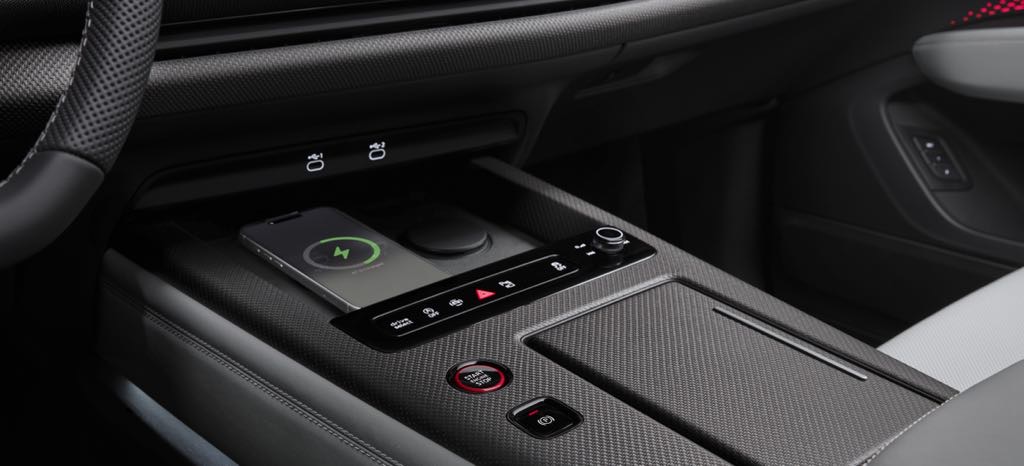
Practicality has also been addressed with multiple storage solutions. The centre console features dual wireless charging pads compatible with Qi2.2 standards along with high-output USB-C ports. The luggage area includes an adjustable rail system with sliding hooks to secure cargo, while roof rails with an included rack add further versatility.
Audi is set to reveal the Q9 in full at its global premiere scheduled for July 29, 2026.
It will compete with the Mercedes-Benz GLS and BMW X7. Likely to launch in India a few months after its global debut.