


Diesel-powered passenger vehicles have recorded an increase in market share in India after several years of decline, supported by growing demand for SUVs, lower running costs and renewed consumer interest in the fuel type.
According to vehicle registration data from Vahan and the Federation of Automobile Dealers Associations (FADA), diesel vehicles accounted for 19.39% of passenger vehicle registrations so far in FY27, up from 18.08% in FY26. Average monthly registrations have also increased by nearly 15%, rising to around 82,000 units from approximately 71,400 units during the previous financial year.
Industry executives attribute the trend to multiple factors rather than a single reason. The continued popularity of mid-size and full-size SUVs, where diesel engines remain widely available, along with increasing petrol prices, has strengthened the appeal of diesel-powered vehicles for buyers with higher annual running.
Some dealers have also observed that a section of customers is considering diesel models due to concerns over the long-term use of E20 petrol in older or non-E20-compatible vehicles. However, manufacturers have stopped short of identifying ethanol-blended fuel as the primary driver behind the recent increase in diesel demand.
Tata Motors Managing Director for Passenger Vehicles and Tata Passenger Electric Mobility, Shailesh Chandra, said the company has witnessed increasing demand for diesel models over the past few years, particularly in the SUV segment around the Rs. 15 lakh price bracket. He added that while diesel demand has risen, most of Tata Motors’ incremental growth has come from CNG and electric vehicles, whereas petrol volumes have declined.
Mercedes-Benz India has also reported continued demand for diesel-powered models. According to Managing Director and CEO Santosh Iyer, diesel currently accounts for around 40% of the company’s sales in India. He noted that customers primarily evaluate the total cost of ownership when choosing a powertrain, with rising petrol prices influencing buying decisions in favour of diesel and electric vehicles.
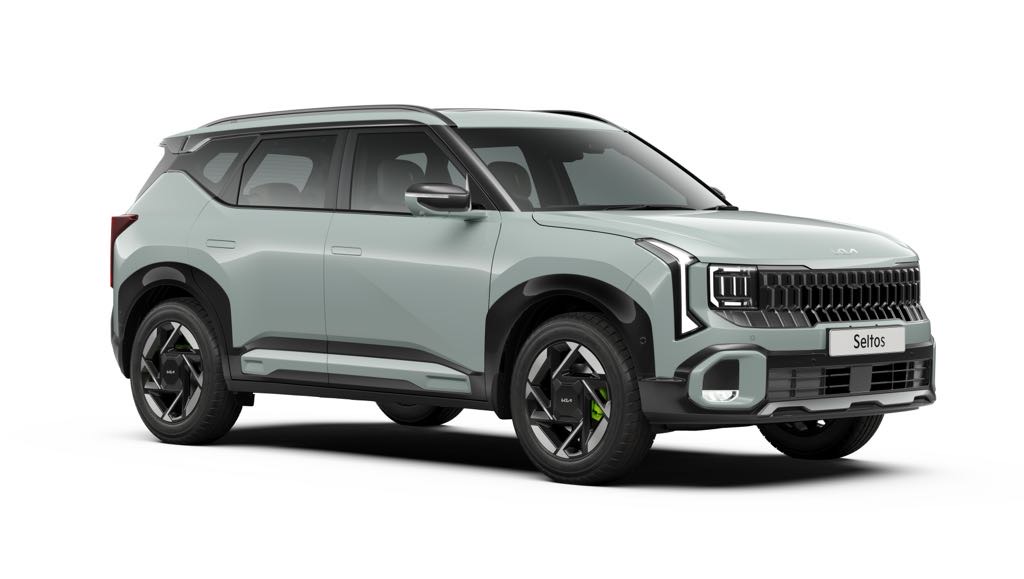
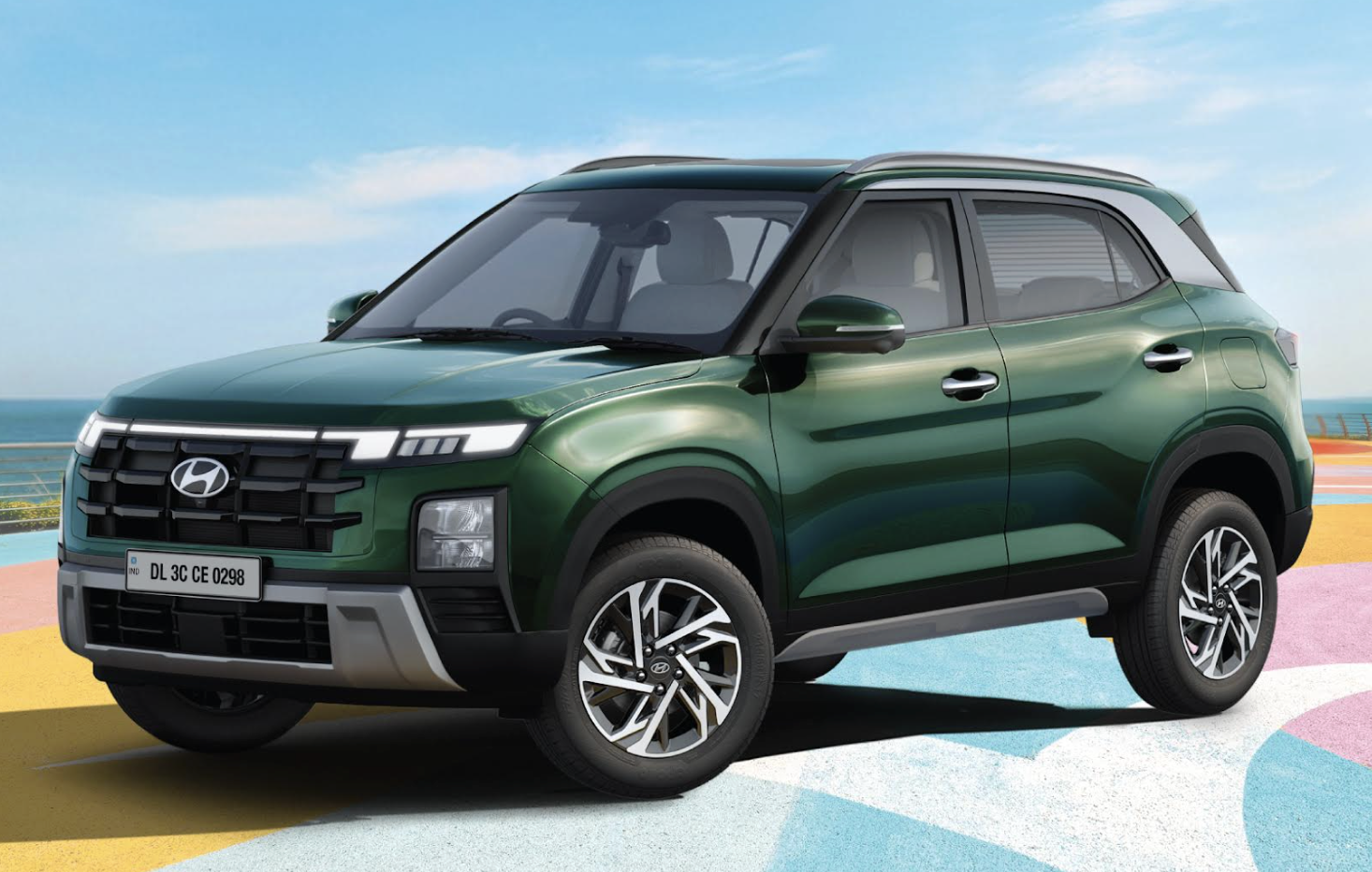
The availability of new diesel-powered SUVs has also contributed to the fuel’s continued relevance. Over the past two years, several manufacturers have launched or updated diesel variants of popular models, including the Mahindra XUV 3XO and Thar Roxx, Tata Curvv, Harrier and Safari, Hyundai Creta and Alcazar, Kia Seltos, Syros and Carnival, Jeep Meridian and the MG Majestor.
At the same time, the government’s biofuel roadmap continues to evolve. While E20 petrol has now been implemented across the country, diesel has not yet been included in the ethanol blending programme. Instead, the government is exploring the use of isobutanol as an alternative biofuel for diesel engines, with blending levels of up to 15% being considered as part of future energy transition plans.
The recent increase in diesel registrations suggests the fuel continues to hold relevance in segments where torque, long-distance efficiency and operating costs remain key purchase considerations, even as the broader market gradually moves towards electrification and alternative fuels.