GST cuts lift hatchback demand, but long-term segment revival remains uncertain
Hatchback sales in India have shown signs of recovery after several years of decline, with recent GST reductions on small cars making them more affordable for entry-level buyers. Industry data indicates a rise in hatchback demand in the October–December 2025 quarter, reversing a downward trend that began during the pandemic.
Data shows hatchbacks accounted for 24.4 percent of total passenger vehicle sales in the last quarter of 2025, up from 23.5 percent in the first nine months of the year. Although still far from their pre-Covid peak – when hatchbacks held close to half the market – this uptick marks a notable shift after continuous share erosion.
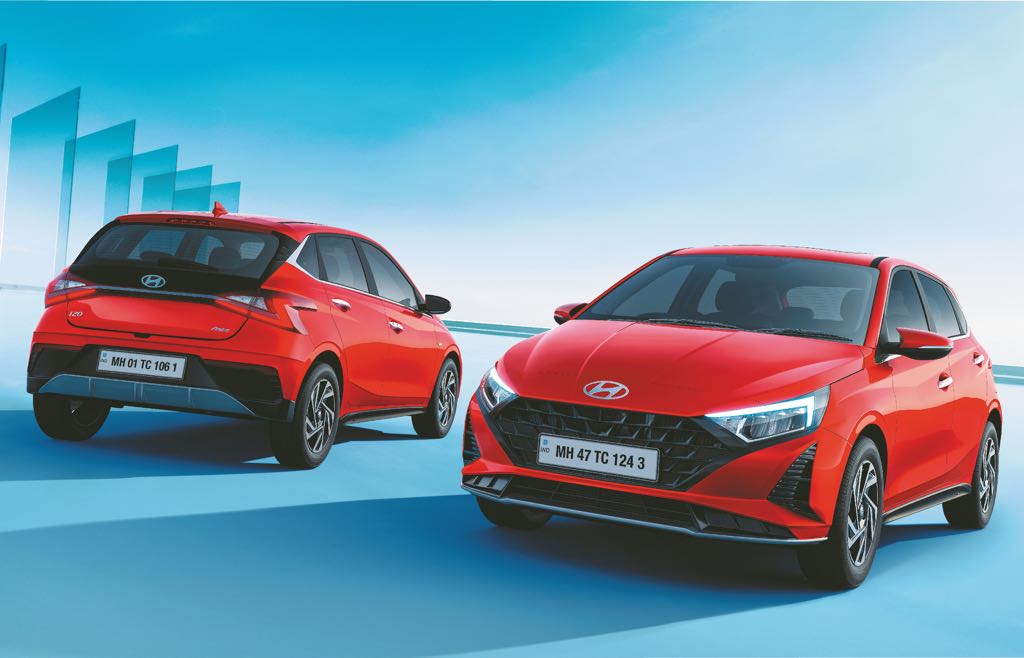
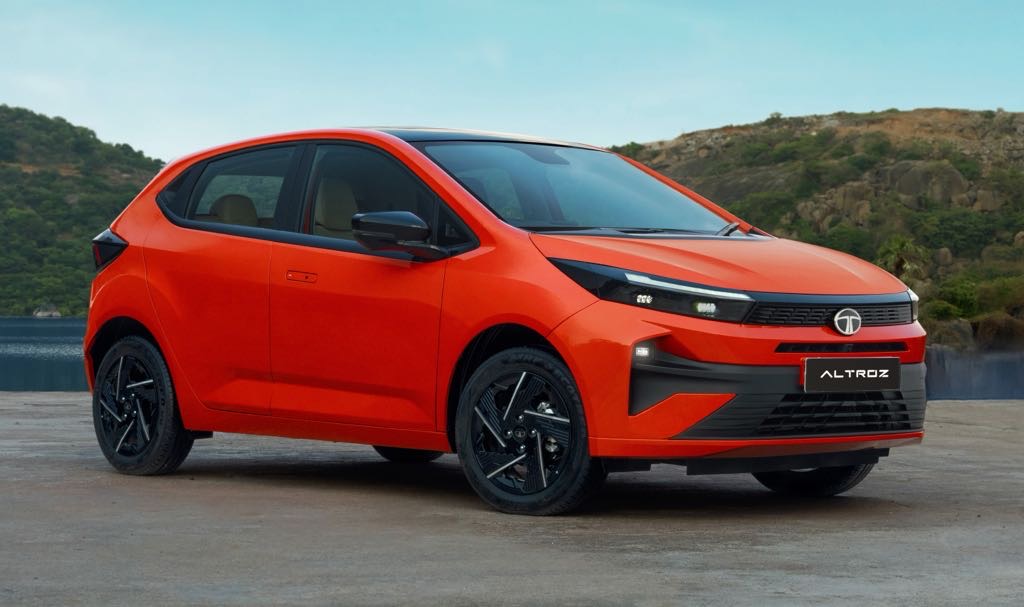
Volume growth was most visible in models such as the Maruti Suzuki Alto, Tata Altroz and Hyundai i20, with hatchbacks collectively recording about 20 percent sequential growth in Q4 2025. This helped the segment end the year with flat volumes compared to 2024 rather than a further slide.
Industry observers link the improvement to GST changes implemented in late September 2025, when the tax rate on most small cars was reduced from 28 percent to 18 percent. This resulted in immediate price reductions from automakers, making hatchbacks more attainable for two-wheeler owners considering an upgrade.
Market leader Maruti Suzuki reported stronger interest from first-time buyers after the tax revision, noting an increase in purchases of its mini models such as the Alto, S-Presso, Celerio and WagonR. The company highlighted that affordability challenges that emerged after stricter safety and emission regulations had pushed prices upward in past years, but the revised GST structure has partially offset those increases.
Tata Motors expects moderate growth in hatchback demand in the second half of FY26 as price benefits continue to filter through, though it does not foresee a major change in segment share. The company projects its hatchback sales to grow in the high-teens to around 20 percent during the fiscal year.
Other industry participants believe the ongoing January – March quarter will provide clearer visibility on whether the recent demand increase represents a structural shift or a short-term response to lower prices. Some executives argue affordability is no longer the primary barrier for small cars, and the coming months will reveal whether demand sustains without further price interventions.
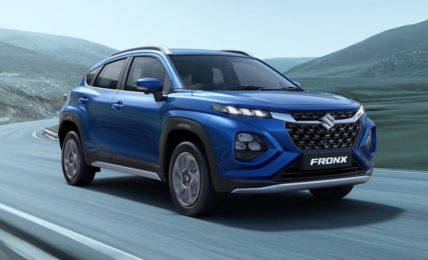
While the GST cut has stimulated interest, analysts note that consumer preferences have steadily shifted towards compact SUVs and crossovers due to perceived advantages in comfort, practicality and safety. They emphasize that sustained recovery for hatchbacks will depend on whether affordability gains can outweigh the broader shift toward higher-bodied vehicles.
The next quarter’s sales performance will be closely watched as automakers adjust production and pricing strategies around the changing demand landscape. If the momentum holds, hatchbacks could stabilize after several challenging years. If not, the segment may resume its long-term decline as buyers continue migrating toward SUVs.