Indian passenger vehicle manufacturers are exploring opportunities to expand their electric vehicle exports to the United Kingdom following the signing of the India-UK Free Trade Agreement (FTA), which introduces a phased framework for duty-free vehicle shipments between the two countries.
The agreement, scheduled to take effect from July 15, outlines provisions that will allow electric, hybrid and hydrogen-powered passenger vehicles manufactured in India to enter the UK market without import duties under a quota-based system. These benefits will begin from the sixth year of the agreement and will be gradually expanded over time.
The FTA categorises eligible vehicles into different price segments, ranging from models priced below £20,000 to those costing up to £80,000. Vehicles priced above this threshold will not qualify for duty concessions under the agreement.
Automakers including Maruti Suzuki, Mahindra and Tata Motors Passenger Vehicles have welcomed the development, viewing it as a potential avenue to strengthen India’s position as a global manufacturing hub for electrified vehicles. However, all three companies indicated that any expansion plans would depend on market evaluation and long-term business considerations.
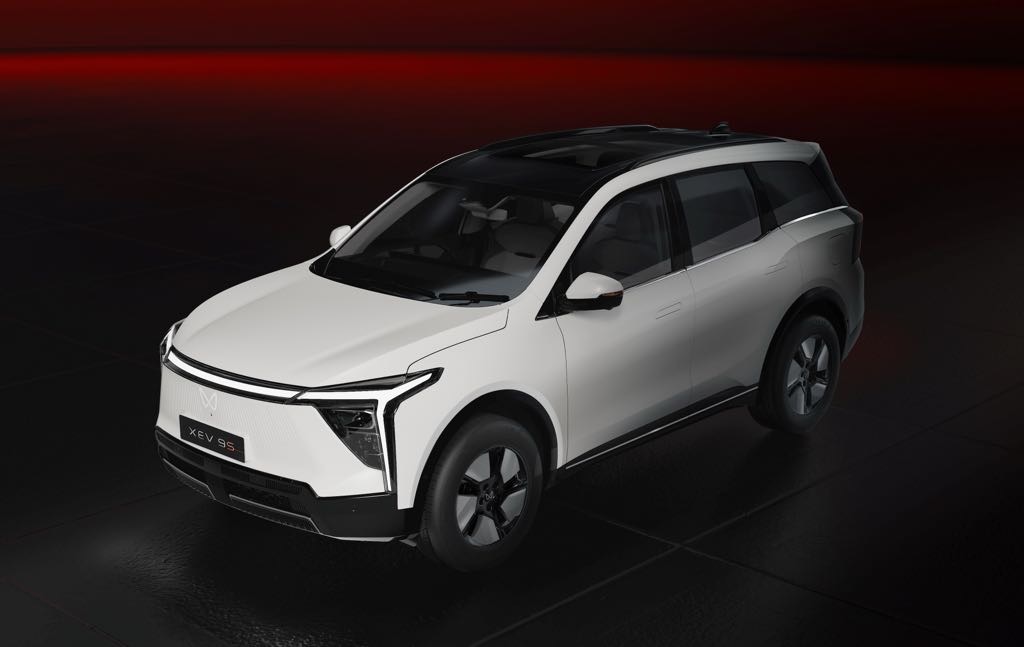
Mahindra stated that the agreement could create fresh opportunities for EVs produced in India, particularly in right-hand-drive export markets such as the UK. The company said it would assess market conditions and incorporate the opportunity into its broader international growth strategy.
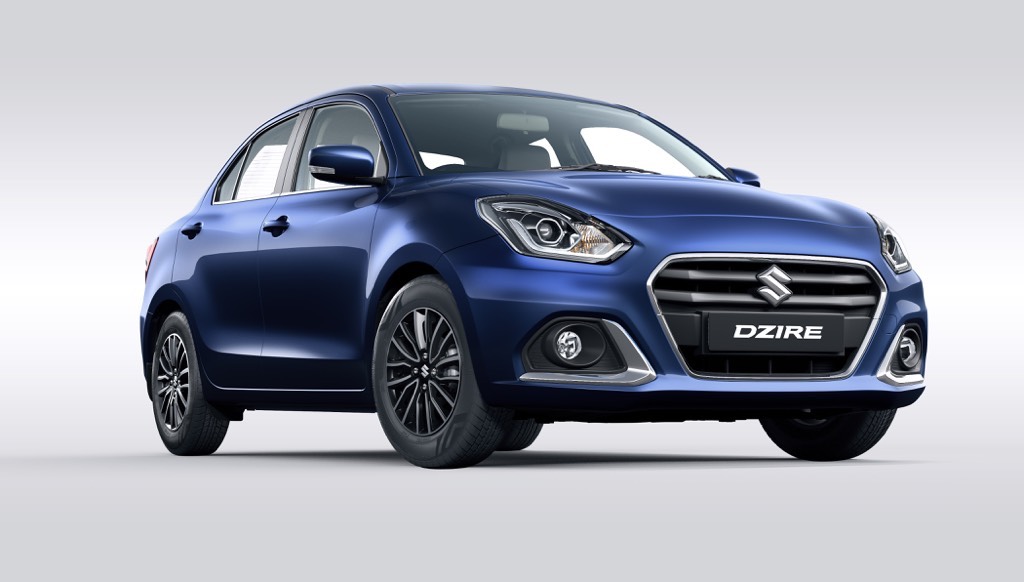
Maruti Suzuki highlighted India’s growing competitiveness in vehicle manufacturing and pointed to the export performance of its upcoming eVITARA electric SUV. The company expects the UK to emerge as an important overseas market as it expands its EV footprint across Europe.
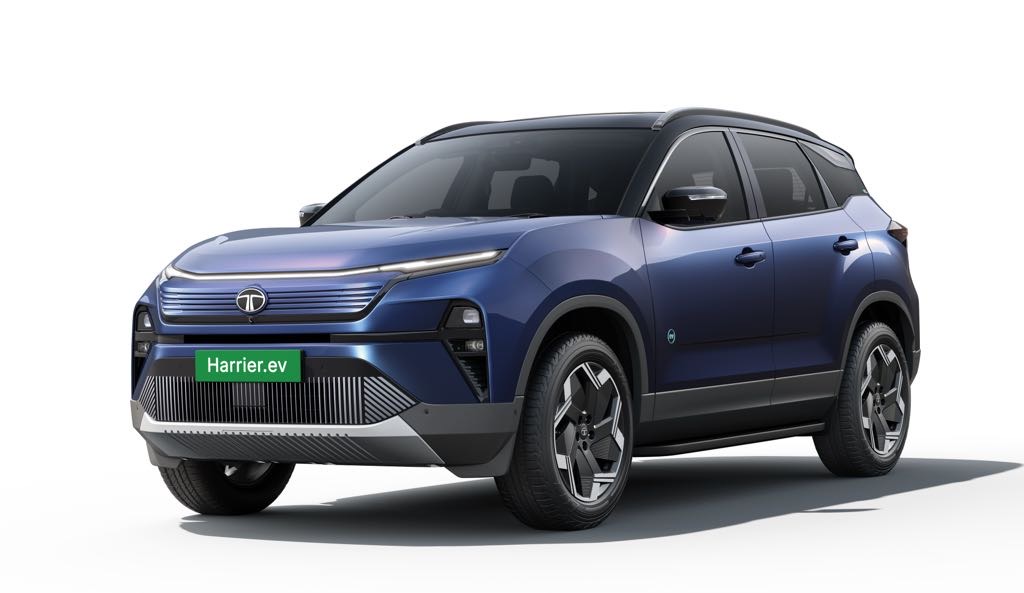
Tata Motors Passenger Vehicles said the phased and quota-linked structure of the agreement provides a balanced approach that encourages exports while allowing domestic manufacturers time to remain globally competitive. The company added that the framework could support the wider adoption of sustainable mobility solutions developed and produced in India.
Under the agreed roadmap, duty-free quotas for eligible vehicles will start at 17,600 units annually in the sixth year and increase progressively to 88,000 units per year by the fifteenth year. The allocation will be distributed across multiple vehicle price bands.
The agreement could strengthen bilateral automotive trade while providing Indian manufacturers with greater access to one of Europe’s major right-hand-drive vehicle markets. The FTA is also expected to contribute to the broader objective of increasing trade between India and the UK, with both nations aiming to significantly expand economic engagement over the coming years.