

Royal Enfield launches retrofit kits enabling BS3 BS4 bikes to handle E20 fuel
Royal Enfield has started offering E20 fuel compatibility retrofit kits for select older motorcycles, aimed at helping BS3 and BS4-era models operate more safely with petrol containing up to 20 percent ethanol. The move comes as higher ethanol blending becomes more common across India’s fuel supply.
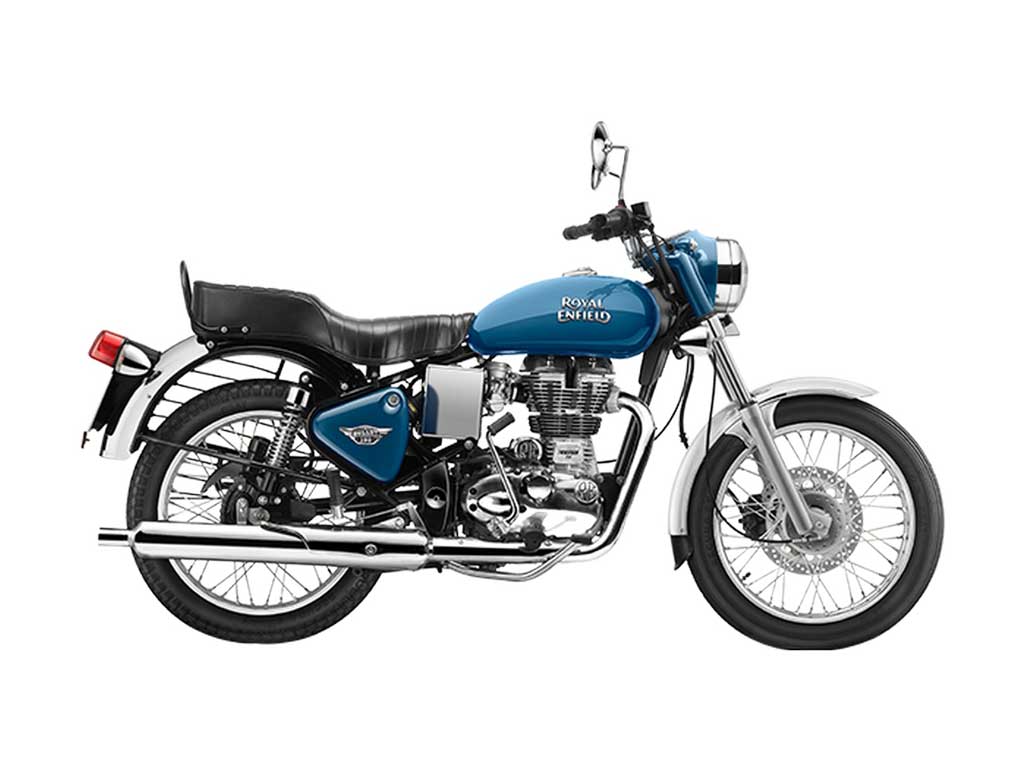
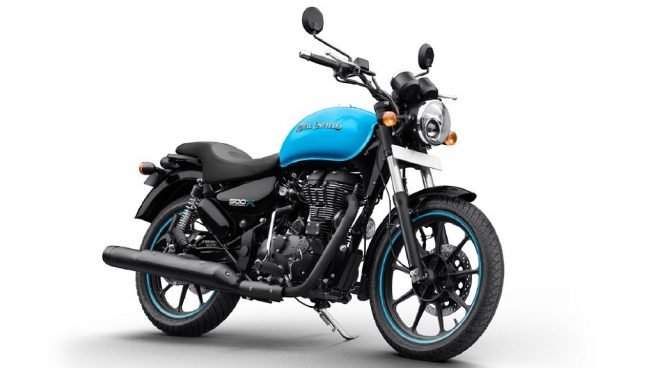
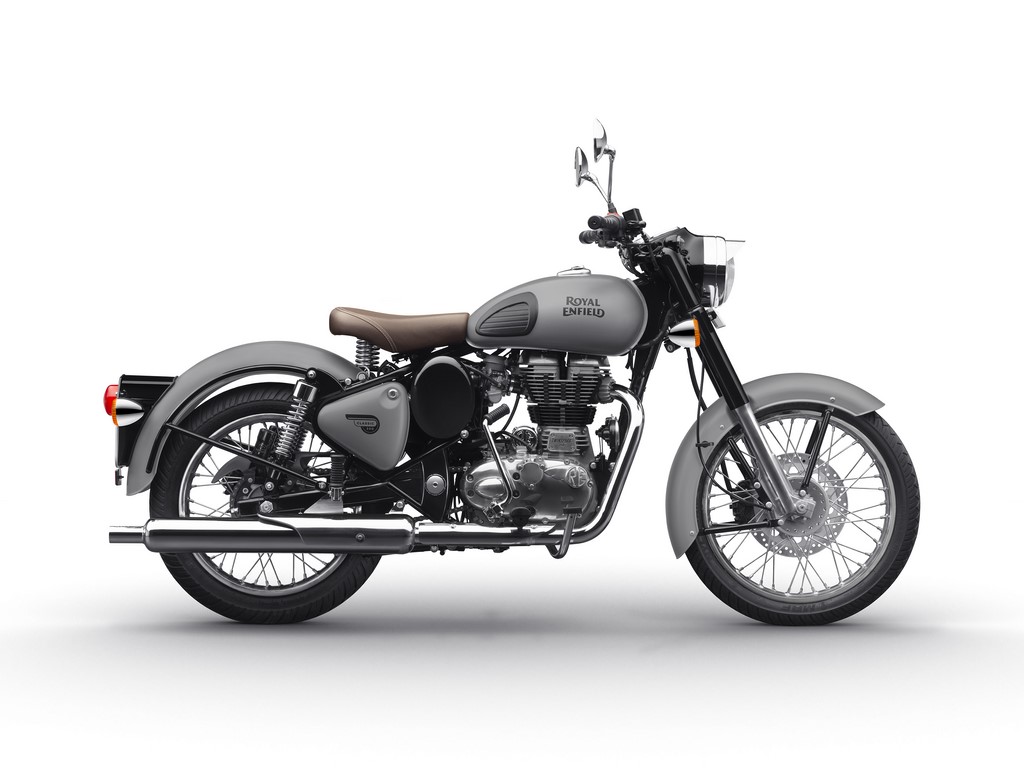
The retrofit solution is primarily intended for carbureted Unit Construction Engine (UCE) motorcycles. This includes popular models such as the Classic 350, Bullet 350 and Thunderbird produced before the BS6 transition. Royal Enfield’s BS6 motorcycles introduced from 2020 onwards are already certified to run on E20 fuel and do not require any modification.
What The E20 Kit Includes
The retrofit package consists of ethanol-resistant components for the fuel system. These include upgraded fuel hoses, sealing elements, O-rings and related rubber parts designed to better withstand the corrosive properties associated with higher ethanol content. Older materials used in BS3 and BS4 motorcycles may degrade faster when exposed to E20 petrol over long periods, potentially leading to leaks or fuel system issues.
The kits are understood to support both 350cc and 500cc UCE platforms, although some dealers indicate that there is no single bundled kit specifically marketed for the 500cc variants. Instead, service centres may suggest replacing selected fuel-system parts as a preventive upgrade.
Pricing And Availability
Dealer sources suggest that the retrofit kit for BS4 motorcycles is priced at roughly Rs. 1700, though final costs may vary depending on labour and additional recommended replacements. Availability currently appears to differ between service centres, with some locations yet to receive stock. Owners are advised to check with authorised Royal Enfield workshops before visiting.
Expected Impact On Performance
Motorcycles not originally designed for higher ethanol blends can sometimes experience reduced fuel efficiency when running on E20 petrol. While the retrofit components aim to improve durability and reliability, they may not completely restore fuel economy to levels seen with lower ethanol blends. Real-world results are likely to vary depending on riding conditions and motorcycle health.
The retrofit initiative reflects the broader industry shift toward higher ethanol fuel usage, with manufacturers increasingly updating both new and existing vehicles to ensure long-term compatibility.