Rolls-Royce delays full EV transition, retains V12 engines amid demand
Rolls-Royce Motor Cars has stepped back from its earlier plan to transition to a fully electric lineup by 2030. The company’s CEO, Chris Brownridge, indicated that evolving market conditions, changing regulations and varied customer preferences have influenced this decision.
The British luxury carmaker had previously outlined a strategy to phase out internal combustion engines by the end of the decade, with its first electric model, the Spectre, marking the beginning of that shift. However, the company now appears to be adopting a more flexible approach, balancing electric mobility with continued demand for traditional powertrains.
According to Brownridge, customer sentiment remains divided, particularly in the ultra-luxury segment where the brand operates. While there is interest in electric vehicles, a section of buyers still prefers the characteristics associated with Rolls-Royce’s V12 engines, which have long been a defining element of the brand’s identity.
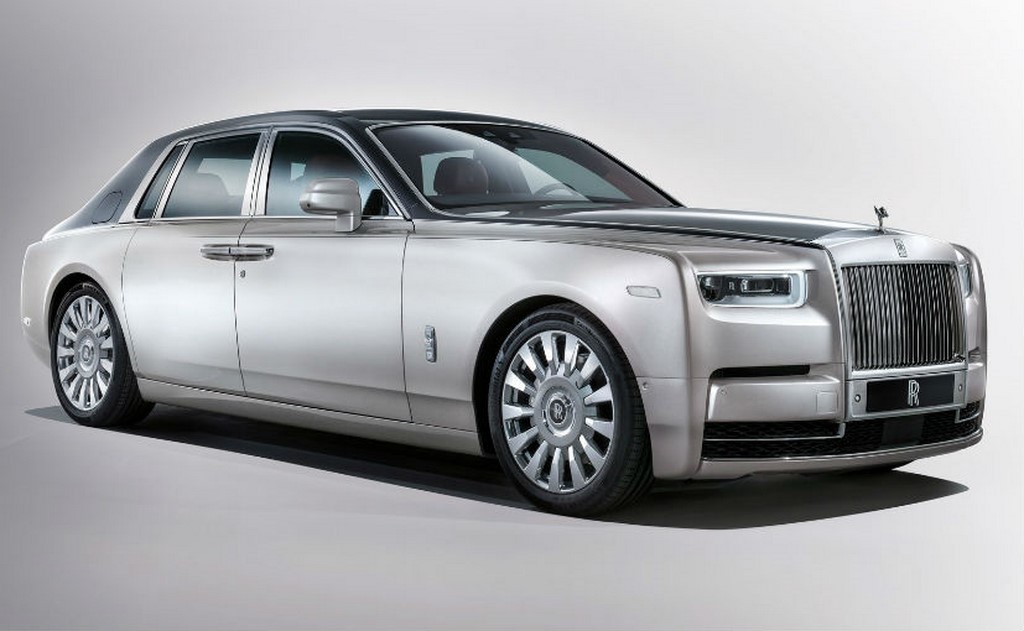
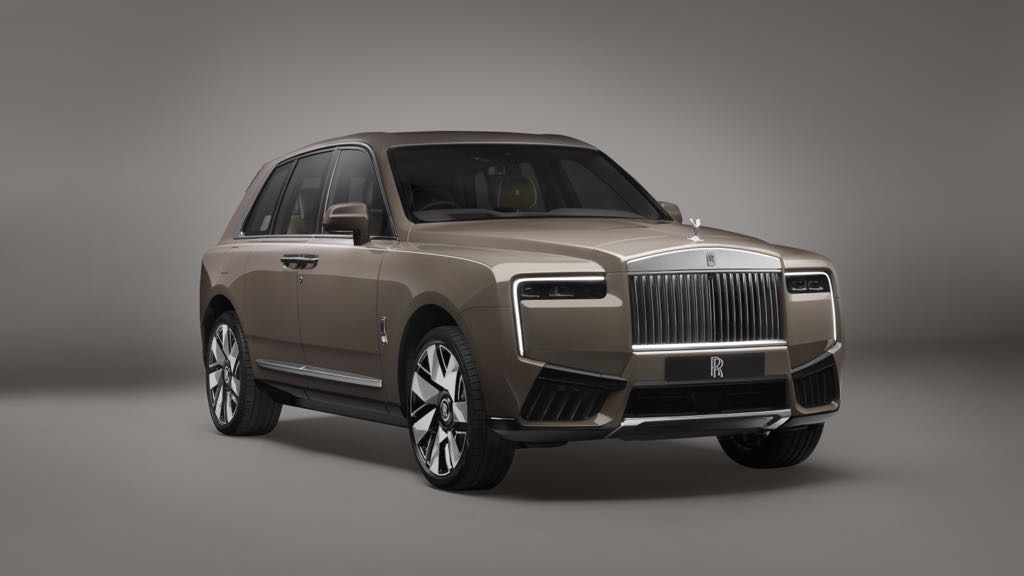
At present, Rolls-Royce’s entire combustion-engine portfolio – including models such as the Ghost, Phantom and Cullinan – continues to rely on V12 power. The company has not indicated an immediate phase-out timeline for these engines, suggesting they will remain part of the lineup for the foreseeable future.
Despite the revised stance, Rolls-Royce is continuing work on expanding its electric portfolio. The brand is expected to introduce an all-electric SUV in the near future, with test prototypes already seen undergoing evaluation. This model is likely to complement, rather than replace, its existing offerings.
Sales trends also appear to reflect the mixed demand. While the Spectre EV marked the brand’s entry into electric mobility, reports suggest a decline in its annual sales figures, whereas traditional models such as the Cullinan SUV continue to record stronger volumes.
Rolls-Royce is not alone in reassessing its electrification roadmap. Several global automakers, including Volvo, Bentley, Lamborghini and Porsche, have also revised or delayed their transition timelines, indicating a broader industry shift towards a more gradual adoption of electric vehicles.
The development highlights the ongoing uncertainty around the pace of electrification, particularly in premium segments where customer expectations and usage patterns differ from the mass market.