BMW has revealed an updated version of its flagship 7 Series sedan, introducing a series of design revisions, new-age in-car technology and a wide range of powertrain options. While the overall silhouette remains unchanged, the latest iteration focuses on refining key elements rather than reimagining the model entirely.
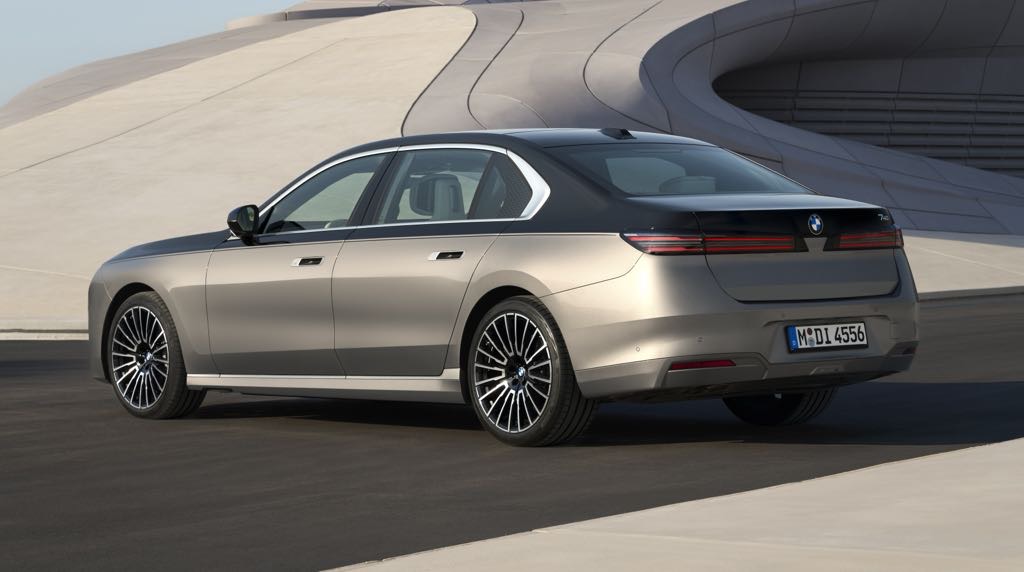
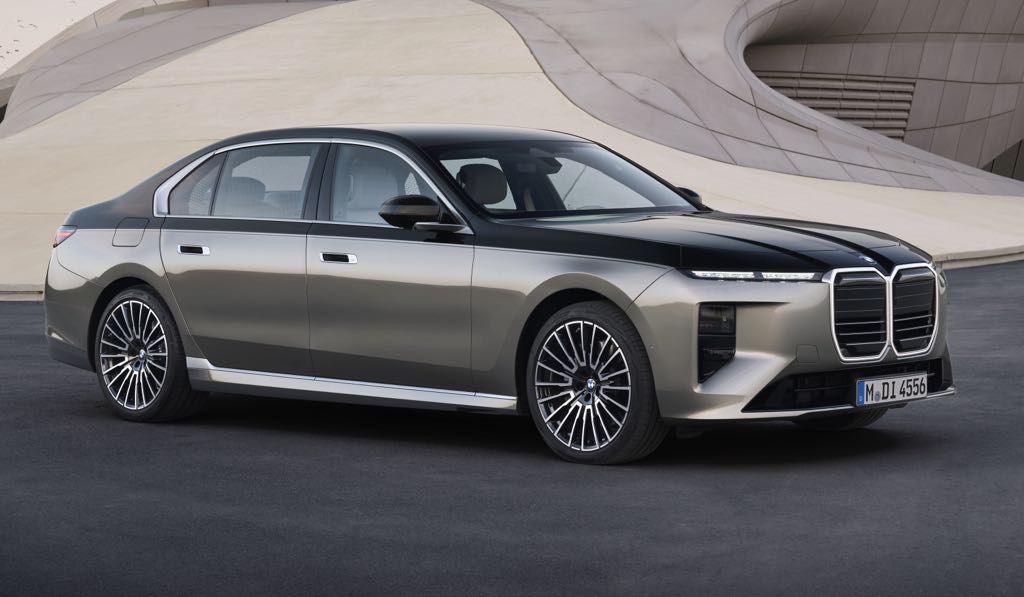
The updated 7 Series retains its imposing stance, though BMW has revised the front fascia with a reworked kidney grille featuring horizontal elements instead of the earlier vertical pattern. The split headlamp design continues but with a new arrangement where slim daytime running lights sit above vertically stacked main lamps integrated into the bumper.
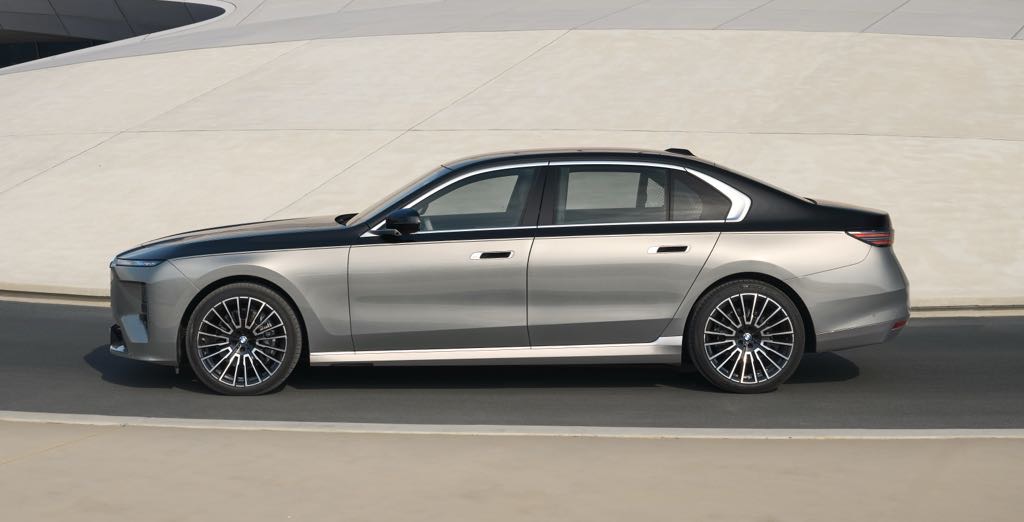
At the rear, the lighting signature has been tweaked with horizontally aligned elements, though not extending into a full-width light bar. BMW has also introduced new customisation options, including expanded two-tone paint finishes with a contrasting upper and lower body separated by a hand-finished coach line.
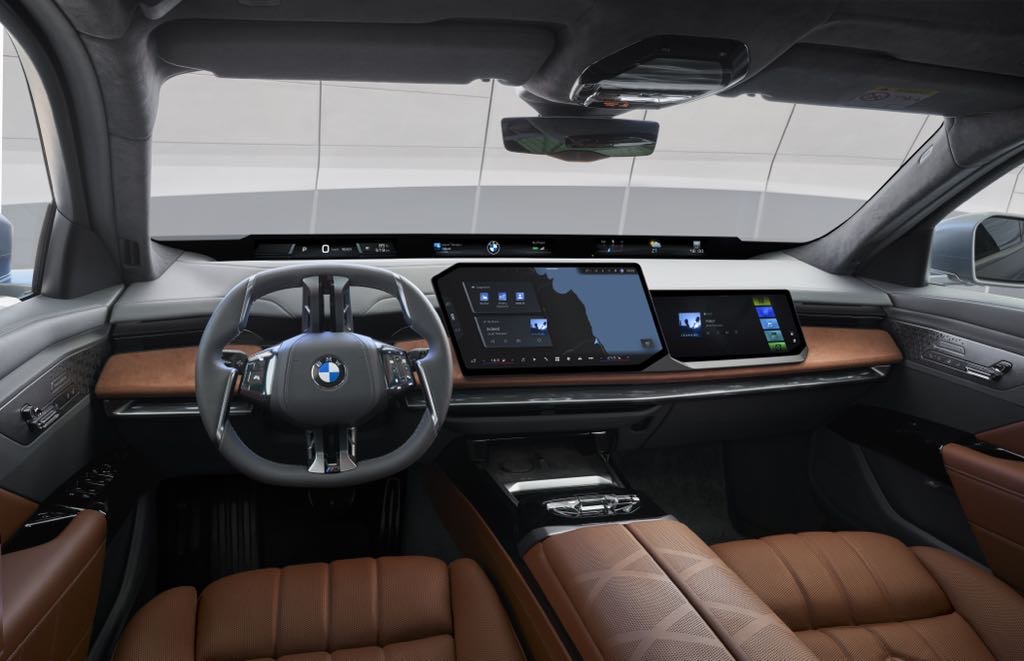
Inside, the 7 Series adopts BMW’s latest Panoramic iDrive system, paired with updated software and an additional passenger-side display. The interface integrates navigation, media and connectivity features, while also supporting over-the-air updates.
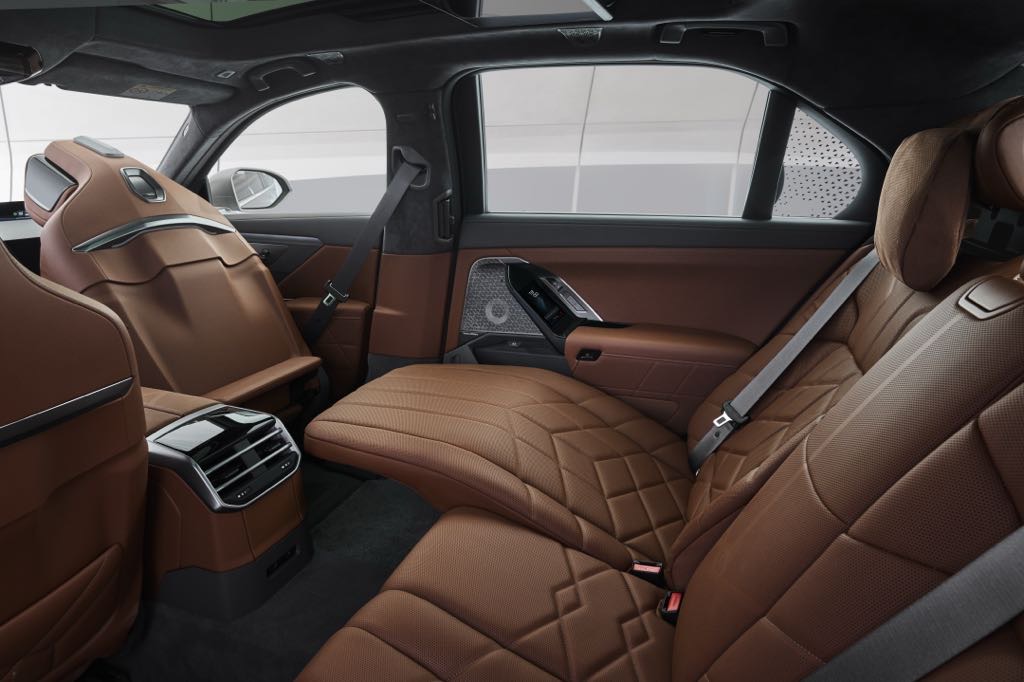
Rear-seat comfort continues to be a highlight, with the optional 31.3-inch 8K Theatre Screen offering entertainment and external device connectivity via HDMI. Features such as a built-in camera enable video conferencing on the move. The Executive Lounge package further enhances rear comfort with a reclining seat and extended leg support. Material choices now include premium combinations like leather and cashmere alongside conventional wood and metal trims.
BMW continues to offer multiple drivetrain options for the 7 Series across markets. The all-electric i7 lineup remains central, with variants delivering outputs ranging from 455 BHP to 670 BHP. The top-spec i7 M70 xDrive claims a 0-100 km/hr sprint of 3.8 seconds. Battery capacity stands at 112.5 kWh, with a claimed range exceeding 700 km (WLTP). Fast charging capabilities allow a 10–80 percent charge in around 30 minutes.
Plug-in hybrid variants combine a six-cylinder petrol engine with electric assistance, delivering outputs between 489 BHP and 612 BHP, along with an electric-only driving range of approximately 70–80 km.
Conventional mild-hybrid petrol and diesel engines continue to be offered as well, ensuring a broad appeal across different markets and buyer preferences.
The updated model retains adaptive air suspension with electronically controlled dampers as standard. Buyers can opt for additional features such as rear-wheel steering and advanced chassis systems to enhance ride comfort and handling.
Driver assistance technologies have also been upgraded, offering Level 2 autonomous functionality. This includes hands-free driving support at certain speeds, improved urban driving assistance and enhanced parking features aided by AI-based detection systems.
Production of the updated 7 Series is set to begin in July, with global deliveries to follow shortly after. The India launch is expected towards the end of this year or possibly in 2027, where the model will continue to be offered in petrol, diesel and electric variants.