
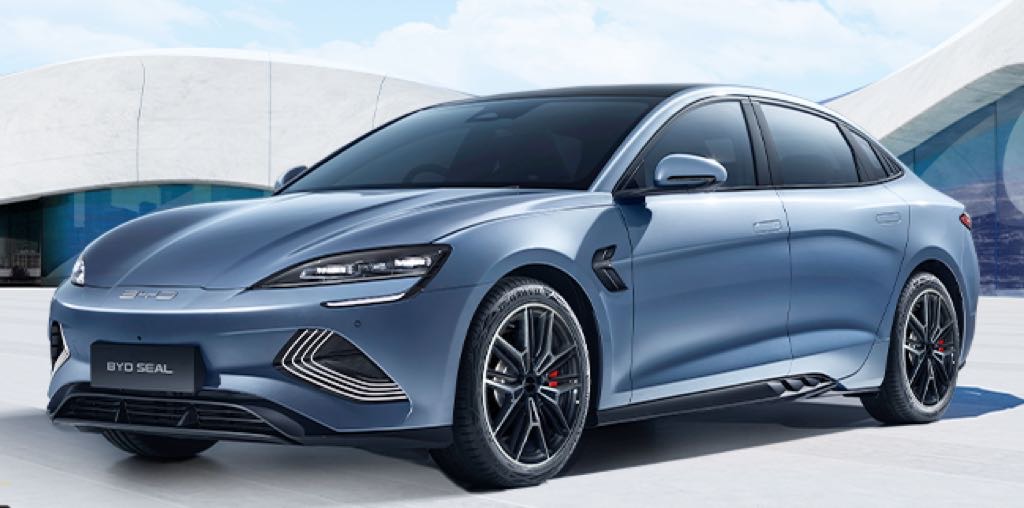
Chinese electric vehicle manufacturer BYD has outlined ambitious plans to become the world’s largest automotive company by sales within the next five years, positioning itself to challenge industry leader Toyota.
Speaking at the company’s annual shareholder meeting in Shenzhen, BYD founder and chairman Wang Chuanfu expressed confidence that advancements in battery technology, ultra-fast charging solutions, and international expansion would strengthen the company’s global competitiveness.
As part of its growth strategy, BYD recently announced plans to invest approximately £1.8 billion in Europe to develop infrastructure supporting its new fast-charging technology, which the company says can add significant driving range in just a few minutes.
The automaker has experienced rapid growth in overseas markets. In May, BYD reported international vehicle sales exceeding 160,000 units, representing a substantial increase compared with the same period a year earlier. The company is targeting overseas sales of 1.5 million vehicles in 2025, up from 1.05 million in the previous year.
Despite its expansion, BYD remains significantly behind Toyota in overall sales volume. Toyota sold around 11.3 million vehicles globally in 2025, while BYD delivered approximately 4.8 million vehicles during the same period.
The company is also increasing its manufacturing footprint in Europe. BYD’s executive vice-president Stella Li said vehicle assembly is expected to begin at the company’s new factory in Hungary during the fourth quarter of this year. She added that BYD is prioritizing production within the European Union as it seeks to strengthen its regional presence and mitigate the impact of tariffs imposed on Chinese-made electric vehicles.
At the same time, the company faces several challenges. BYD’s Hungarian factory project has come under scrutiny following allegations related to labor practices and environmental management during construction. Local authorities have reportedly taken action against several contractors involved in the project, although details of official findings have not yet been fully disclosed.
Separately, BYD has encountered increased scrutiny in the United States after being added to a Pentagon list of Chinese companies considered to have links to China’s military sector. The designation has been disputed by Chinese officials, who argue that the decision lacks sufficient evidence.
As BYD accelerates its global expansion, the company’s ability to balance rapid growth with regulatory, political, and operational challenges is likely to play a key role in determining whether it can achieve its goal of becoming the world’s leading automaker.