Bajaj Auto takes full control of KTM, setting stage for 2026 turnaround
Bajaj Auto has completed its transition from long-term partner to controlling owner of KTM AG, marking a major shift in one of the longest-running collaborations between an Indian manufacturer and a European performance motorcycle brand. With regulatory approvals now in place, Bajaj has assumed full strategic and operational control, setting the stage for a potential turnaround from 2026 onwards.
The takeover follows nearly two decades of association that began with a minority investment in 2007. While Bajaj had steadily increased its involvement over the years, the move to full ownership was accelerated by KTM’s financial and operational restructuring process that started in late 2024. By November 2025, Bajaj formalised the change in control, positioning itself as the sole decision-maker in KTM’s future direction.
Ownership restructuring completed
The transaction was finalised on November 18, 2025, through Bajaj’s wholly owned subsidiary, Bajaj Auto International Holdings BV. As part of the deal, Bajaj acquired the entire shareholding of Pierer Bajaj AG from Pierer Industries AG, the former controlling shareholder.
Following the acquisition, Bajaj now holds 100 percent ownership of Pierer Bajaj AG, which in turn controls roughly 74.9 percent stakes in both Pierer Mobility AG and KTM AG. Soon after the change, Pierer Bajaj AG was renamed Bajaj Auto International Holdings AG, while Pierer Mobility AG was rebranded as Bajaj Mobility AG.
Despite the ownership change, Bajaj Mobility AG continues to remain publicly listed on both the SIX Swiss Exchange and the Vienna Stock Exchange. The boards of KTM and its holding entities are being reconstituted with Bajaj-appointed nominees, formally transferring strategic oversight to the Indian manufacturer.
Bajaj’s leadership has indicated that the new structure will allow it to consolidate KTM’s financials and play a more direct role in decision-making, with the focus shifting from partnership management to hands-on execution.
Focus areas for turnaround
With control secured, Bajaj has outlined a multi-pronged approach aimed at stabilising KTM’s business and restoring profitability. Key priorities include improving liquidity, reshaping leadership structures and reducing costs across operations.
Cost efficiency is expected to be a central theme, spanning administrative expenses as well as manufacturing. One option under consideration is expanding production of smaller-capacity KTM motorcycles in India, where Bajaj already manufactures several KTM models for both domestic and export markets. However, the company has ruled out closing KTM’s European manufacturing facilities, underscoring its intent to retain the brand’s engineering roots.
There are early indications of stabilisation. KTM’s global dispatches have improved in recent quarters, supported in part by higher exports from Bajaj’s Indian operations. These shipments now account for a meaningfully larger share of Bajaj Auto’s export volumes compared with weaker periods in the past.
India and global performance
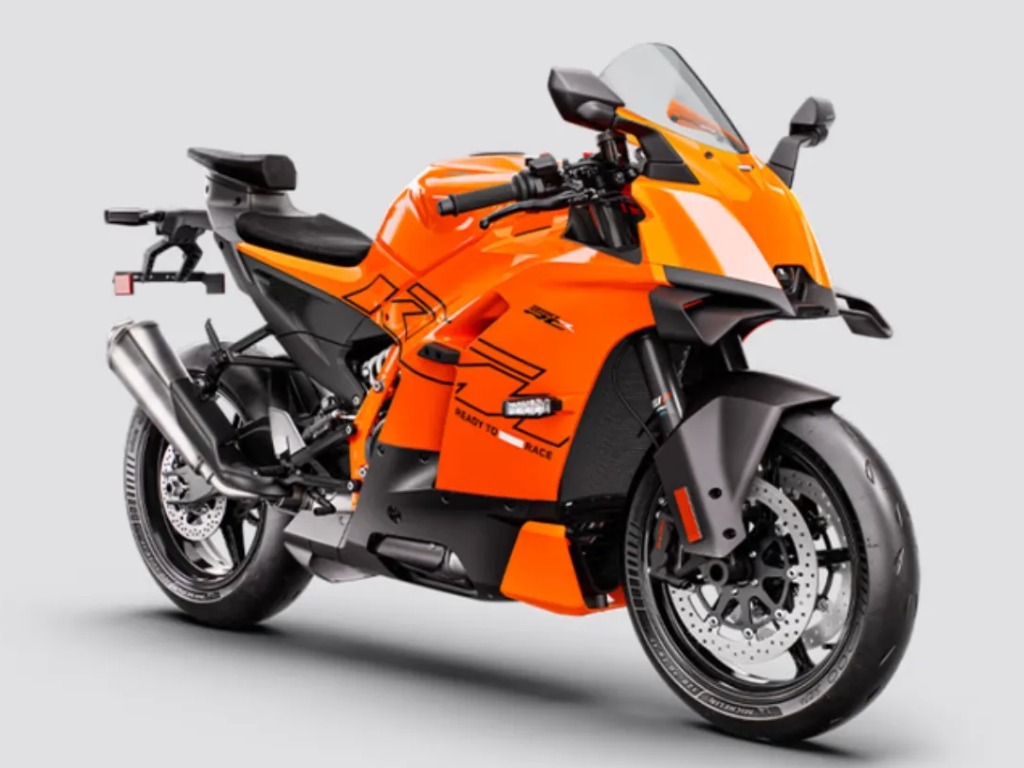
In the Indian market, KTM has maintained steady demand across key models. The Duke 200 and 250 continue to find buyers, while the Duke 160 has been positioned as a higher-volume offering. Updated adventure motorcycles launched earlier in the year have also contributed to improved traction. Combined domestic sales of KTM and Triumph motorcycles reached approximately 30,000 units in the most recent quarter.
For Bajaj Auto, the KTM acquisition goes beyond short-term financial recovery. It reflects a broader shift in how Indian manufacturers engage with global automotive brands – moving from contract manufacturing and minority stakes to full ownership and operational control.
The company has committed to investing €800 million to support KTM’s revival, while attempting to strike a balance between financial discipline and preserving KTM’s distinct brand identity and European engineering heritage. At the same time, the takeover is expected to strengthen Bajaj’s profitability profile at a time when it faces increasing competition and pressure in its home market.
As 2025 draws to a close, the regulatory and structural phases of the takeover are complete. What lies ahead is execution. How effectively Bajaj integrates its manufacturing strengths with KTM’s global brand positioning will determine whether the acquisition translates into a sustainable comeback from 2026.