
India plans to revamp toll policy to align with modern highway realities
India’s toll policy, which has remained largely unchanged for nearly 30 years, is set for a comprehensive review aimed at establishing a more equitable and modern pricing framework for national highways. The initiative seeks to align toll rates with current traffic volumes, road quality and the real costs associated with operating vehicles.
According to senior officials, the Ministry of Road Transport and Highways has asked NITI Aayog to reassess the existing tolling principles and propose revisions that reflect today’s economic and infrastructural realities. The review will examine parameters such as vehicle operating costs, the vehicle damage factor and users’ willingness to pay – the same core elements that guided the original framework established in 1995.
While toll rates have been adjusted annually since 2008 under the National Highways Fee Rules using the Wholesale Price Index (WPI), the fundamental formula for calculating base rates has remained unchanged. NITI Aayog has also engaged academic institutions to assist in evaluating the current methodology and is expected to present its recommendations by the end of this financial year.
Officials noted that changes in vehicle efficiency, wear and tear patterns, and greater public acceptance of toll-based travel – driven by better road infrastructure – make it necessary to revisit the tolling structure. The review is expected to help the government balance financial sustainability with user fairness.
Toll rates are typically calculated based on the overall cost of construction and maintenance, plus a reasonable return, divided by projected traffic volumes. Factors like vehicle operating cost and damage to the pavement surface play a crucial role in determining equitable user fees.
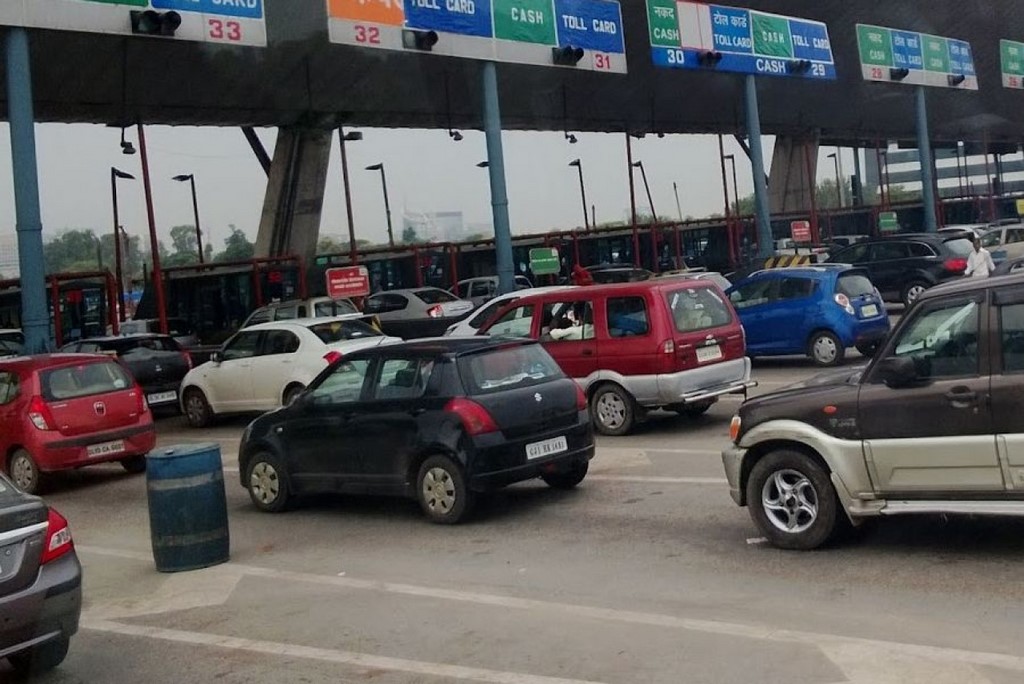
Currently, India has around 855 toll plazas across its national highway network, including 675 publicly managed and 180 operated under public-private partnership (PPP) models. Toll revenue has shown strong growth, reaching Rs. 73,000 crore in 2024-25 and projected to cross Rs. 80,000 crore this year. Collections for the first half of the current fiscal have already risen 18.6% year-on-year to Rs. 40,433 crore.