Mahindra captures half of India’s diesel car market amid declining segment share
Mahindra has emerged as the dominant force in India’s shrinking diesel passenger vehicle segment, capturing nearly half of all diesel-powered car sales so far in 2025. This comes at a time when most other manufacturers have either retreated from diesel offerings or seen limited growth due to changing regulations and shifting buyer preferences.
Data from Equirus Research indicates that Mahindra’s share of the diesel PV market is expected to reach 56 percent this year, up from 53 percent in 2024 and a substantially lower 34 percent in 2022. The company’s rise reflects the consolidation of diesel sales around a small group of automakers still committed to the powertrain, even as the overall market transitions toward petrol, CNG and electrified alternatives.
Diesel’s overall market share has contracted from 33 percent in 2019 to just 18 percent in 2025, shaped largely by the cost burden of stricter emission regulations and the industry’s longer-term focus on hybrid and electric technologies. Analysts point out that diesel demand in India continues to hold firm due to its balance of torque, fuel efficiency and suitability for larger SUVs – factors that make it appealing particularly in semi-urban and rural markets.
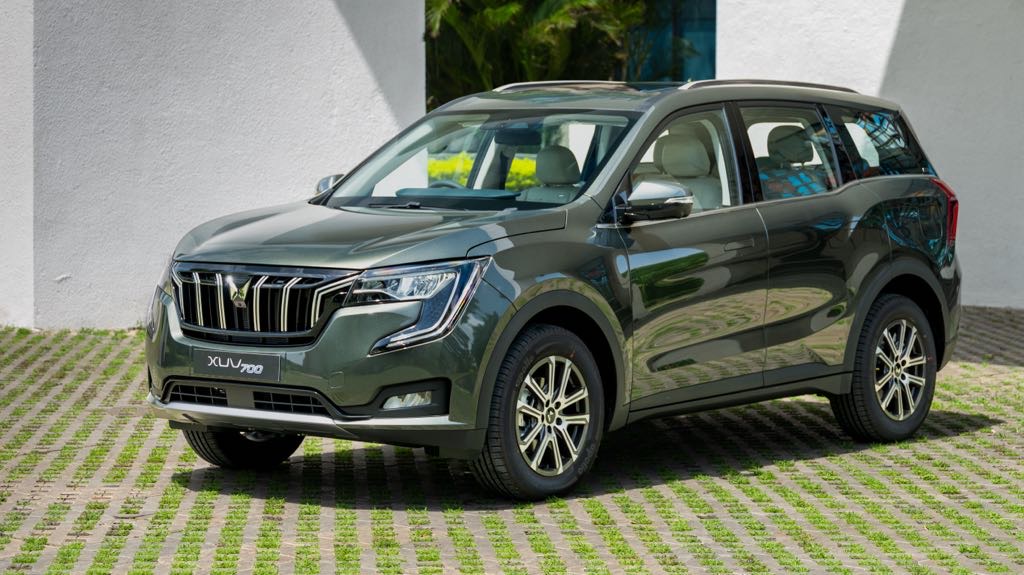
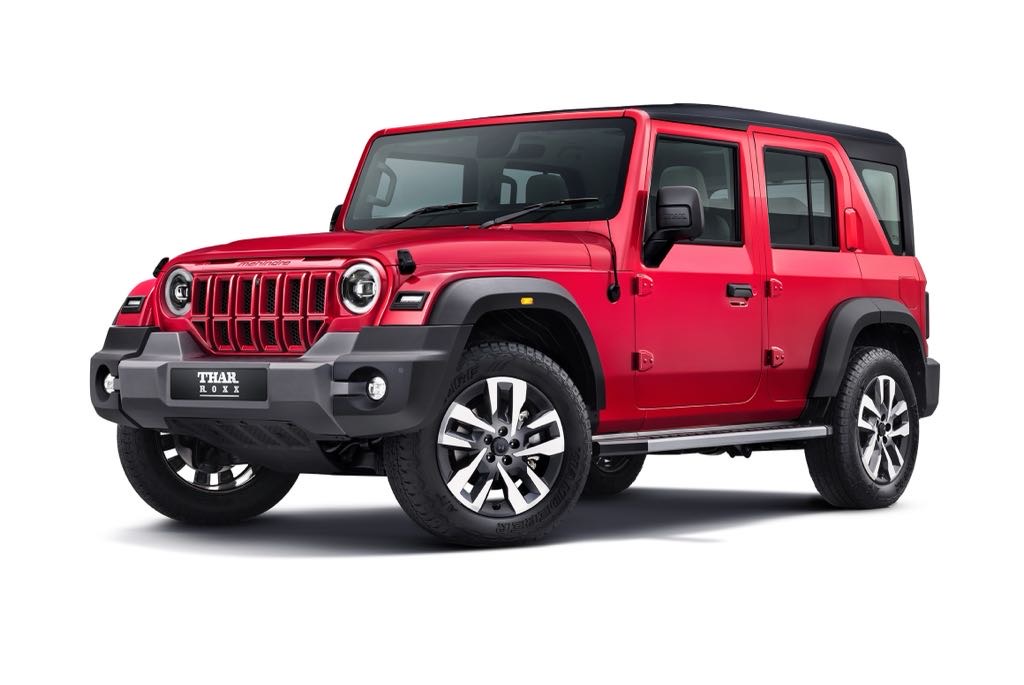
Mahindra’s gains are driven by sustained demand for its SUV-heavy lineup, including models like the Scorpio-N, Thar and XUV700. These vehicles cater to buyers who still prefer diesel for long-distance capability and lower running costs, ensuring strong traction even as the segment contracts.
In contrast, brands such as Hyundai and Kia, once strong players in diesel, have seen their shares fall sharply after discontinuing diesel variants in key models and shifting their focus toward alternative powertrains. Tata Motors is also expected to lose share as it accelerates its move toward CNG and EVs. Meanwhile, Maruti Suzuki has exited the diesel segment entirely, and companies like Honda and Toyota now contribute only marginal diesel volumes as they concentrate on hybrids and electrics.
Industry observers caution that while diesel remains relevant in India, especially in the SUV category, long-term dependence comes with risk. Future emission norms will make diesel engines increasingly expensive to upgrade and supplier investments could become harder to justify as the market leans toward electrified mobility. For Mahindra, analysts say the challenge will lie in leveraging its strong diesel position today while preparing an equally competitive portfolio of hybrids and EVs for the years ahead.