Maruti Suzuki plans phased EV battery localisation ahead of e Vitara launch
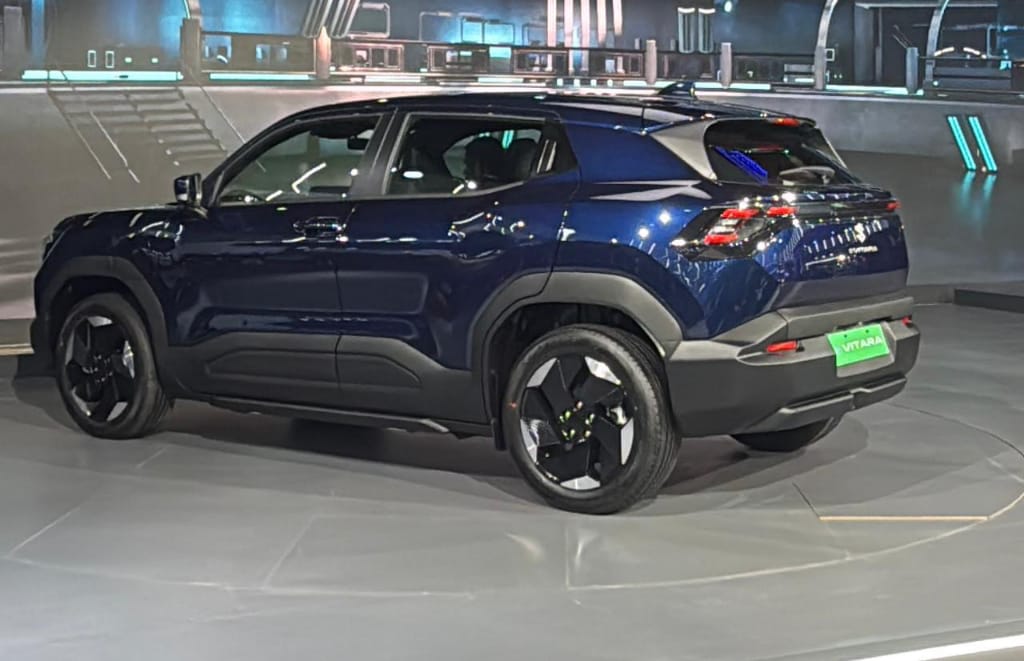
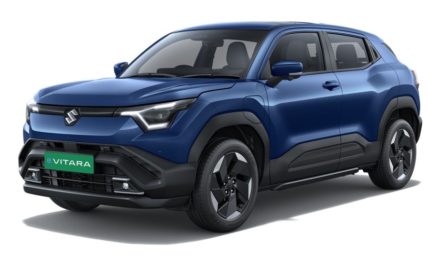
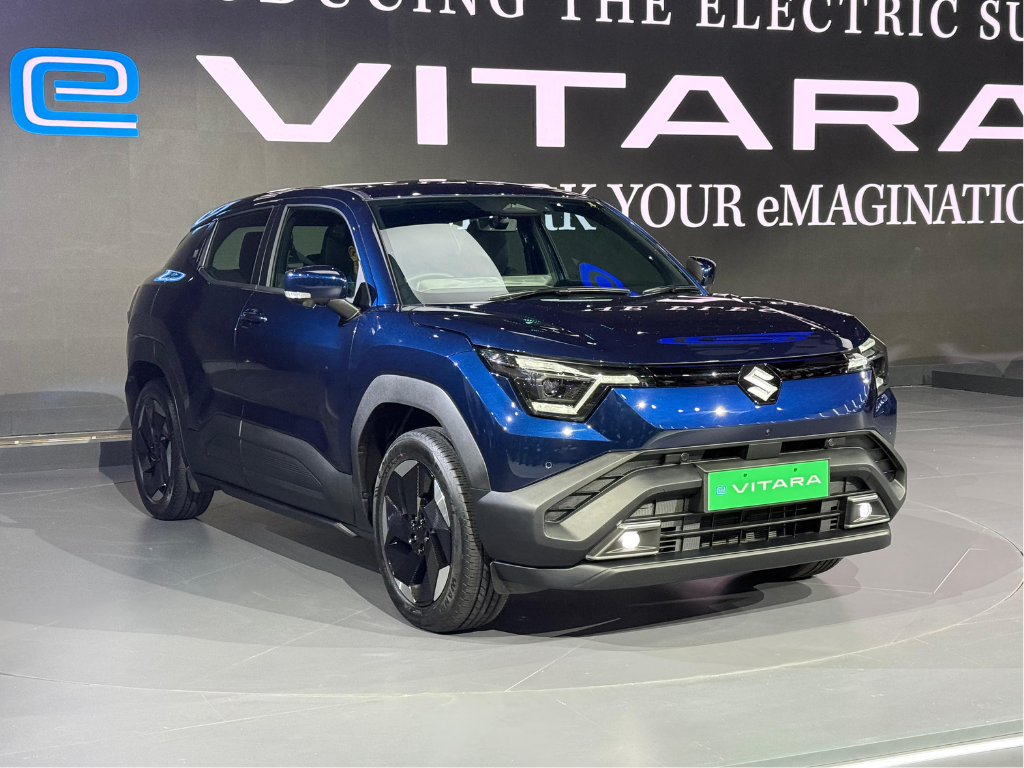
Maruti Suzuki is preparing a long-term localisation roadmap for EV batteries and other critical components as it moves closer to launching its first electric model, the e-Vitara, in India next year. The company aims to gradually reduce reliance on imported battery packs, viewing localisation as essential for improving affordability and strengthening the domestic EV ecosystem.
According to senior company leadership, imported batteries are currently being used for initial production, but the shift to local manufacturing will take place in stages over the coming years. The approach is intended to align with market maturity, supplier readiness and the rollout of additional EV models.
While the e-Vitara will mark Maruti Suzuki’s entry into the EV space, the company emphasises that widespread adoption will depend on growing consumer confidence. Many buyers today continue to treat EVs as secondary cars, largely due to concerns related to driving range, charging availability and past negative experiences with early EV products.
Maruti Suzuki plans to launch five EVs by FY30, a period during which EV penetration in India is projected to reach 13–15 percent of a 5.5–6 million annual passenger vehicle market. However, the company says these projections may need recalibration in response to shifting tax structures and early signs of slowing penetration following GST 2.0 revisions.
To support the transition, Maruti Suzuki is strengthening its after-sales and charging infrastructure. The brand aims to equip 1,500 workshops in over 1,100 cities to handle EV servicing. It has already deployed 2,000 charging points and targets one lakh chargers nationwide by 2030 through dealer and operator partnerships.
The company is also developing resale support mechanisms such as assured buyback and subscription plans to make EV ownership more predictable for first-time buyers.
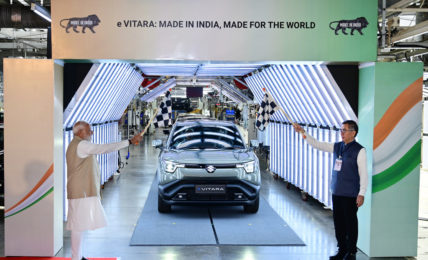
Even before its domestic launch, the e-Vitara has begun shipping to international markets, with around 10,000 units exported to 26 countries. Maruti Suzuki believes that building trust through robust products, reliable service and ecosystem preparedness will be crucial to accelerating EV acceptance in India.