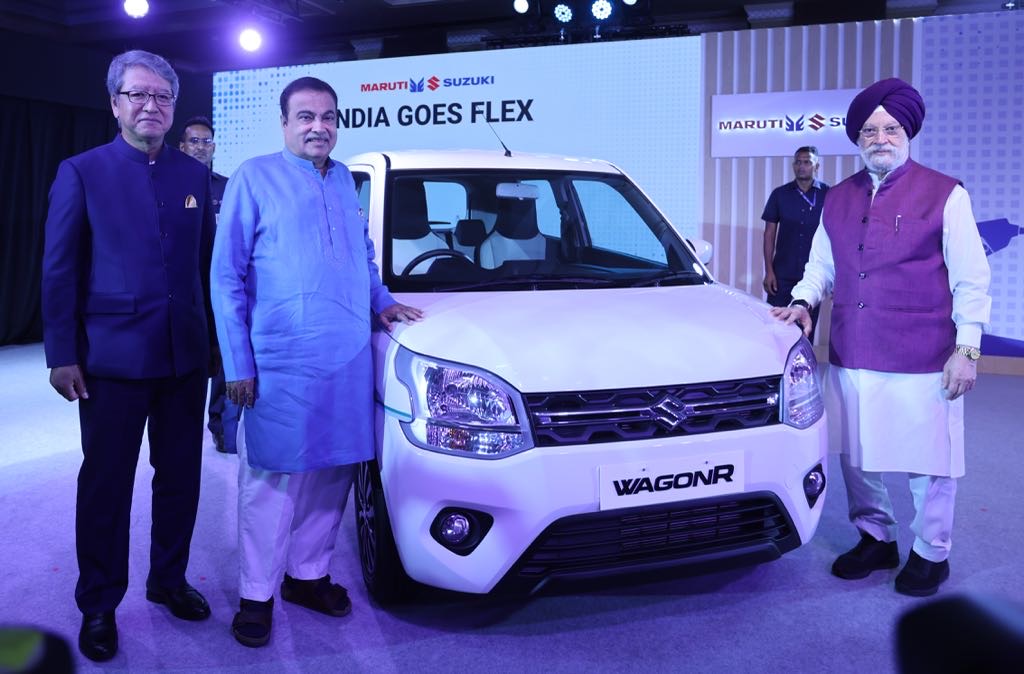
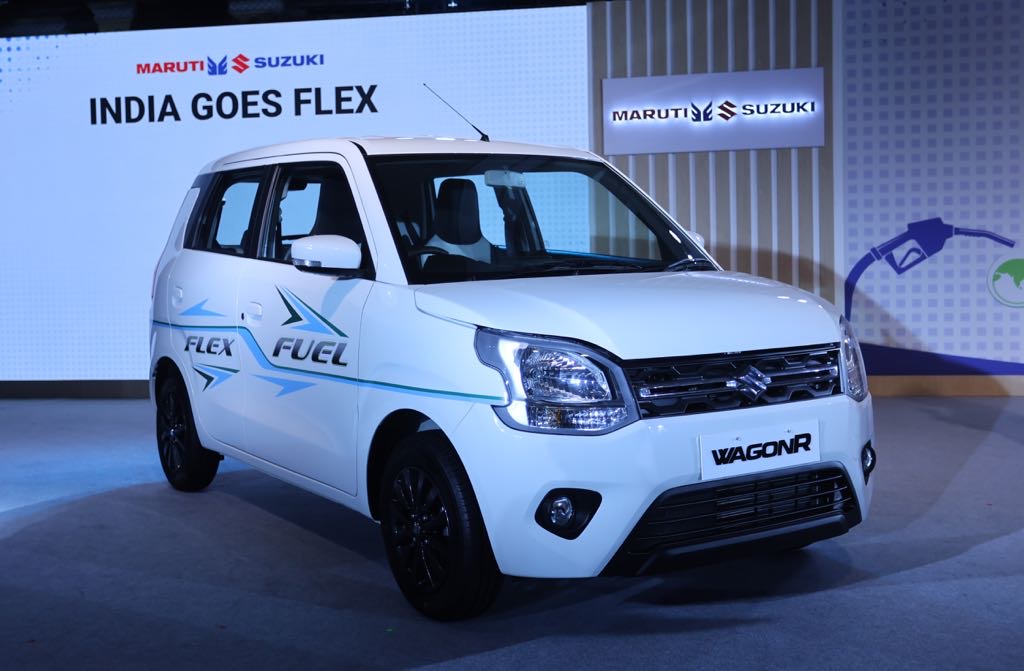
Maruti Suzuki has showcased the production-spec version of the Wagon R Flex Fuel. The vehicle is designed to operate on ethanol-petrol blends containing up to 85 percent ethanol and is currently intended exclusively for commercial applications.
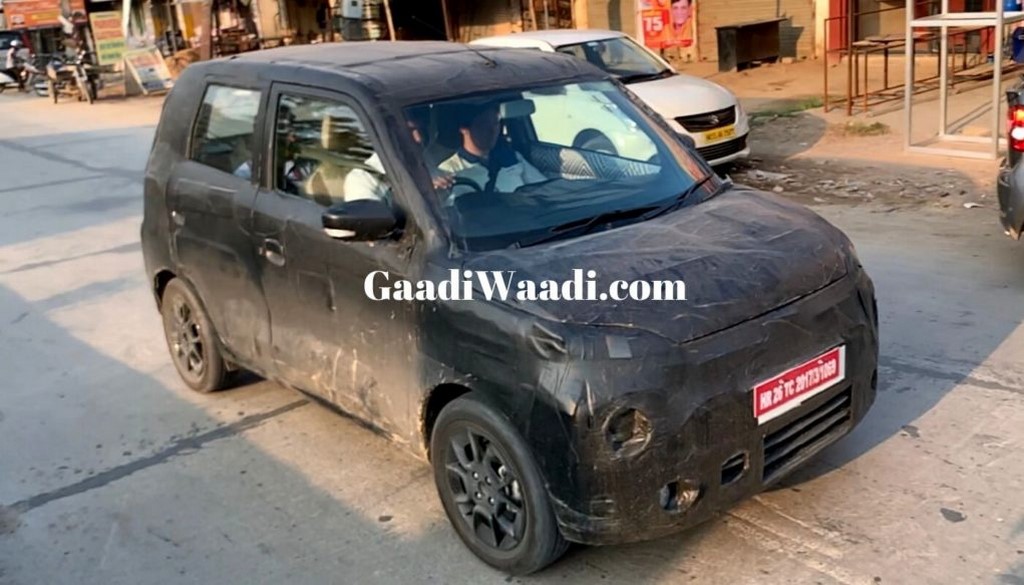
The flex-fuel Wagon R has been under development for several years and has previously appeared at automotive exhibitions and government events in prototype form. The latest version, however, is a production-ready model that could soon enter service with fleet operators and ride-hailing companies.
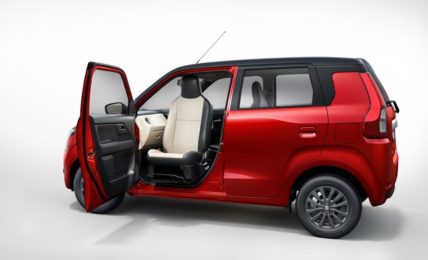
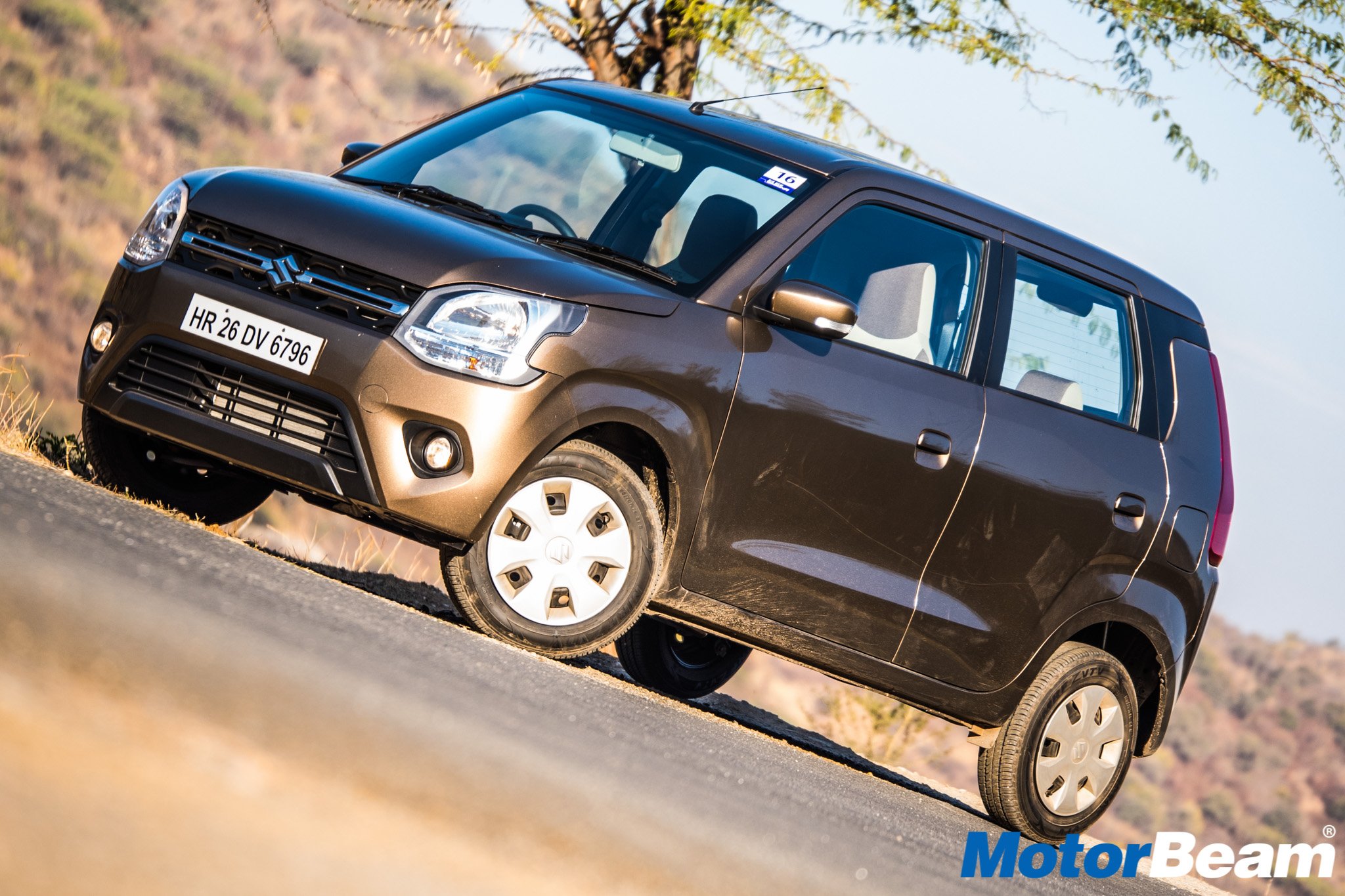
Visually, the flex-fuel variant remains largely identical to the standard Wagon R. Apart from dedicated decals and badging identifying its alternative-fuel capability, there are no major styling differences.
Powering the vehicle is Maruti Suzuki’s familiar 1.2-litre K12N petrol engine. The engine has been modified to handle varying ethanol concentrations, allowing it to run on fuel blends ranging from E20 to E85. The company has not yet disclosed detailed performance figures, fuel-efficiency data or pricing information for the model.
At present, the Wagon R Flex Fuel is not being positioned for private buyers. Instead, the initial rollout is expected to focus on commercial fleets, including taxi operators and mobility service providers. Given the additional engineering required to support higher ethanol blends, the flex-fuel version could carry a premium over conventional petrol and CNG variants.
The vehicle’s introduction aligns with the government’s broader strategy to reduce dependence on imported crude oil and increase the share of domestically produced biofuels. However, the success of flex-fuel vehicles will also depend on the availability of suitable fuel infrastructure.
Unlike E20 petrol, E85 fuel requires dedicated storage and dispensing facilities. The current network remains limited, though the government has announced plans to rapidly expand availability. According to Union Petroleum and Natural Gas Minister Hardeep Singh Puri, an initial network of E85 dispensing stations is expected to be established across key corridors, including Delhi-NCR, Mumbai, Pune and Nagpur.
The government aims to increase the number of E85 fuel outlets substantially over the next two years, with a target of several thousand dispensing stations across major cities by the end of 2027. Authorities have also indicated that E85 fuel could be priced lower than conventional petrol blends to encourage adoption.
While the production-ready Wagon R Flex Fuel represents a milestone for India’s flex-fuel ambitions, widespread adoption will likely depend on how quickly fuel infrastructure expands and whether more manufacturers introduce similar vehicles in the future.