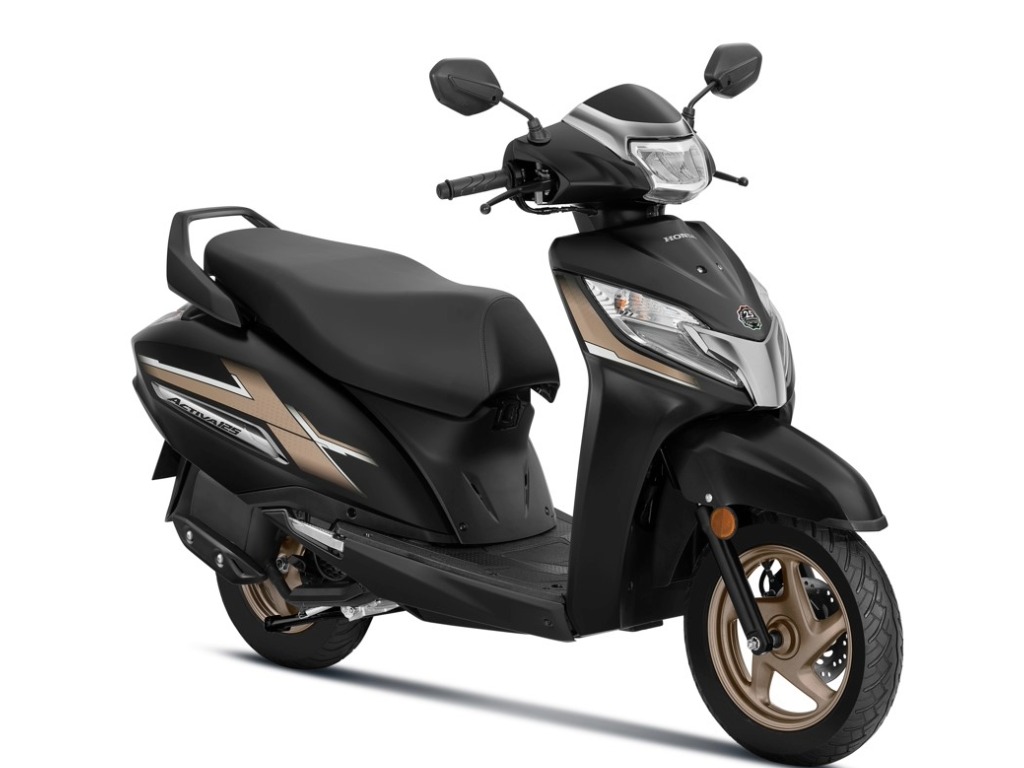
Honda plans a new localised electric scooter to reboot its India EV strategy
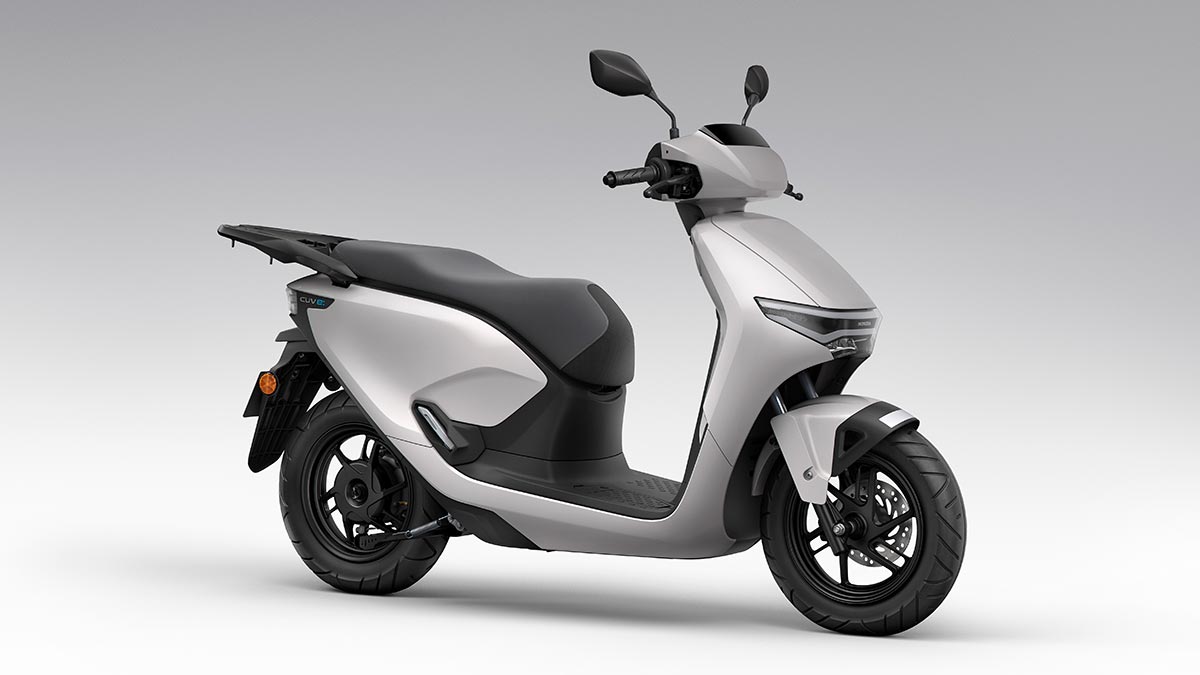
Honda is preparing a new electric scooter for the Indian market, as the company looks to re-establish its presence in the fast-growing EV two-wheeler space. The upcoming model is expected to address key limitations seen in Honda’s earlier electric scooters and will feature a high level of localisation to improve cost competitiveness.
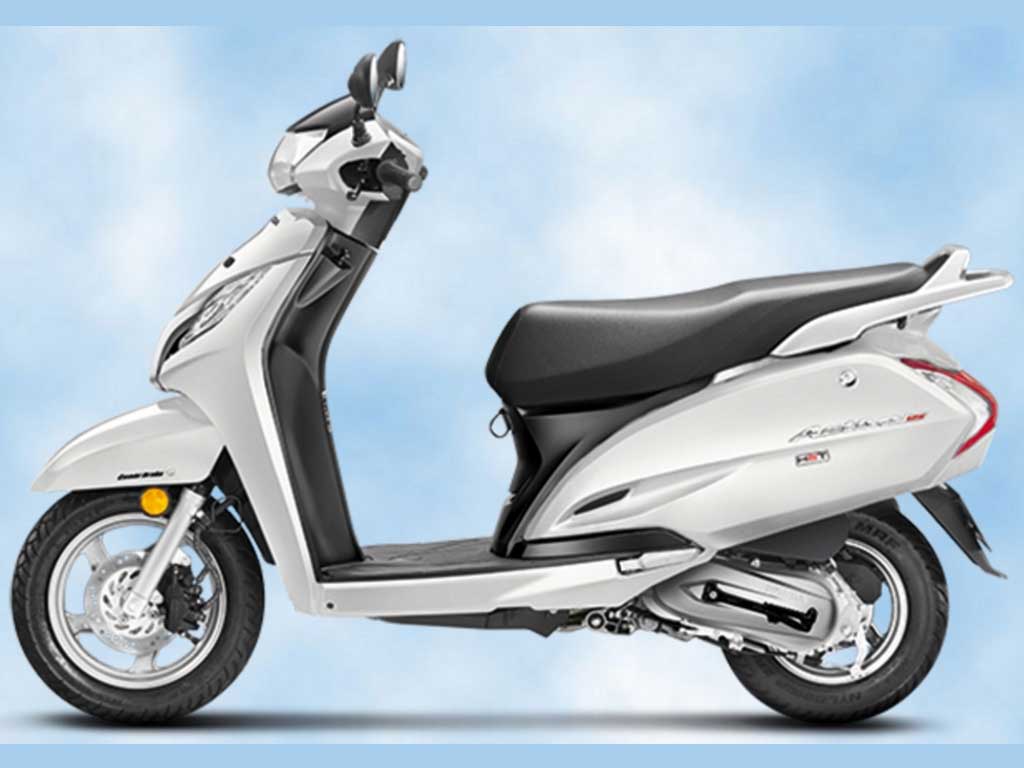
Honda’s initial electric offerings in India – the Activa e: and QC1 – failed to gain sustained traction. Both models were adapted from international platforms and struggled to match evolving customer expectations. Sales slowed significantly over time, eventually leading to a halt in production.
Honda is now developing multiple electric scooter projects for both domestic and global markets. One of these, based on a new platform internally referred to as J1H, is expected to be ready by the end of this year. This model will reportedly incorporate extensive local content and lessons drawn from Honda’s earlier EVs, as well as feedback from competing products that have found success in India. A second, separate electric scooter platform is said to be under development for international markets, with production planned at Honda’s dedicated scooter facility later in the decade.
The shortcomings of Honda’s earlier electric scooters are well documented. The Activa e: offered a factory-supported battery swapping system but suffered from limited network coverage and the absence of home charging, making ownership practical only in select locations. Additionally, the battery placement severely compromised under-seat storage, an important consideration in the scooter segment. The pricing structure, which relied on a Battery-as-a-Service model with recurring subscription costs, further restricted its appeal.
The QC1 addressed some of these concerns by offering home charging and usable boot space, but it introduced new compromises. With modest performance figures, a relatively low top speed and a limited claimed range, it struggled to compete with mainstream electric scooters in terms of capability and equipment.
Honda’s upcoming electric scooter is expected to combine the strengths of both earlier models while avoiding their weaknesses. Buyers can expect a usable under-seat storage area, competitive real-world range and a feature set aligned with established players such as the TVS iQube, Bajaj Chetak and Ather Rizta. Localisation is expected to play a key role in helping Honda price the scooter more aggressively.
While there is no official confirmation on the launch timeline, further details about Honda’s next electric scooter are likely to emerge closer to its market debut.