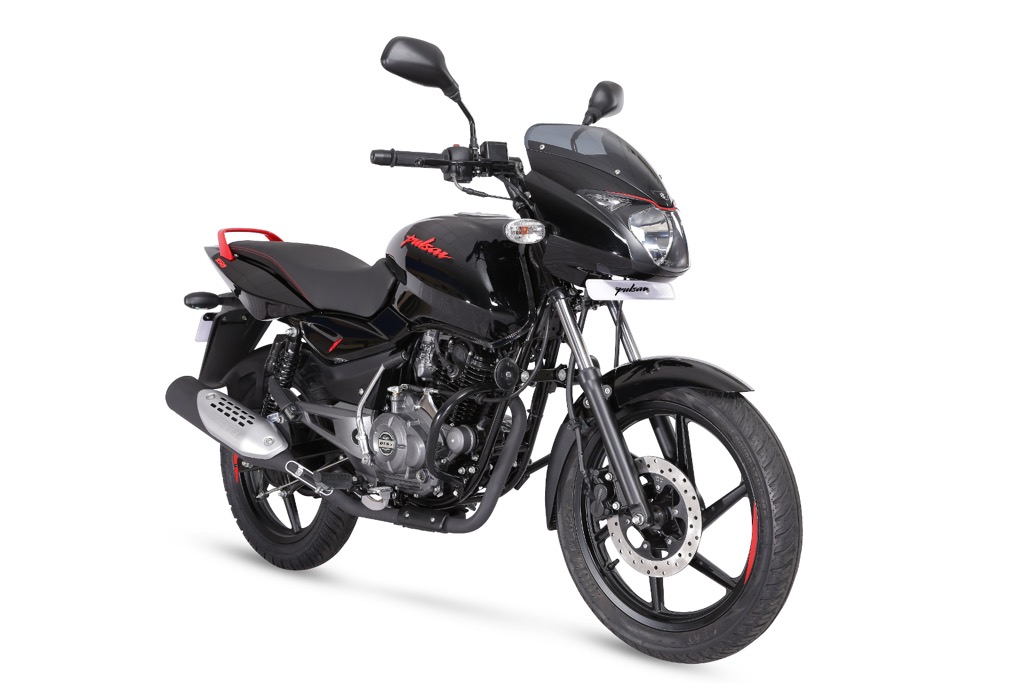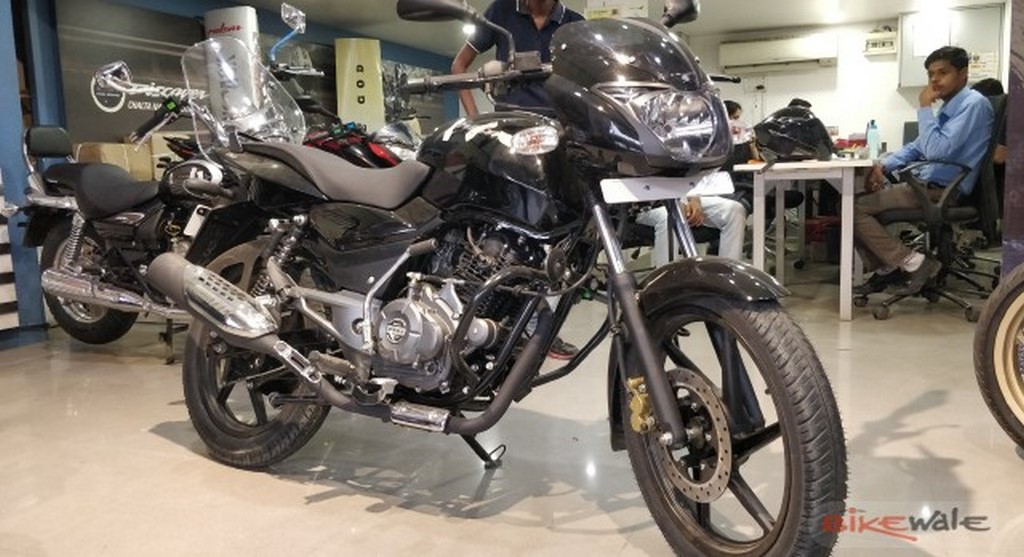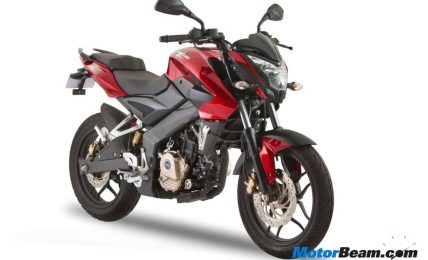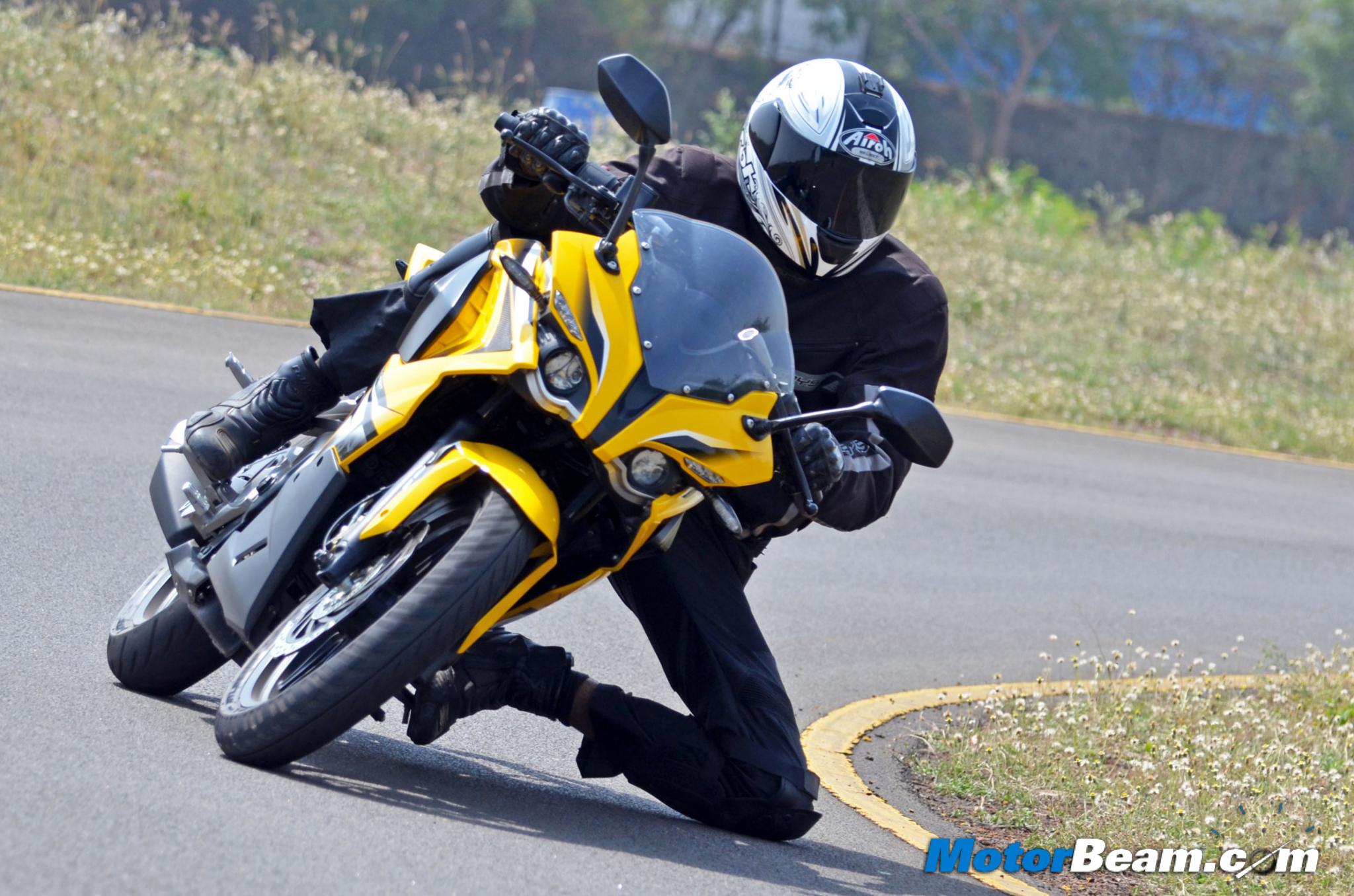
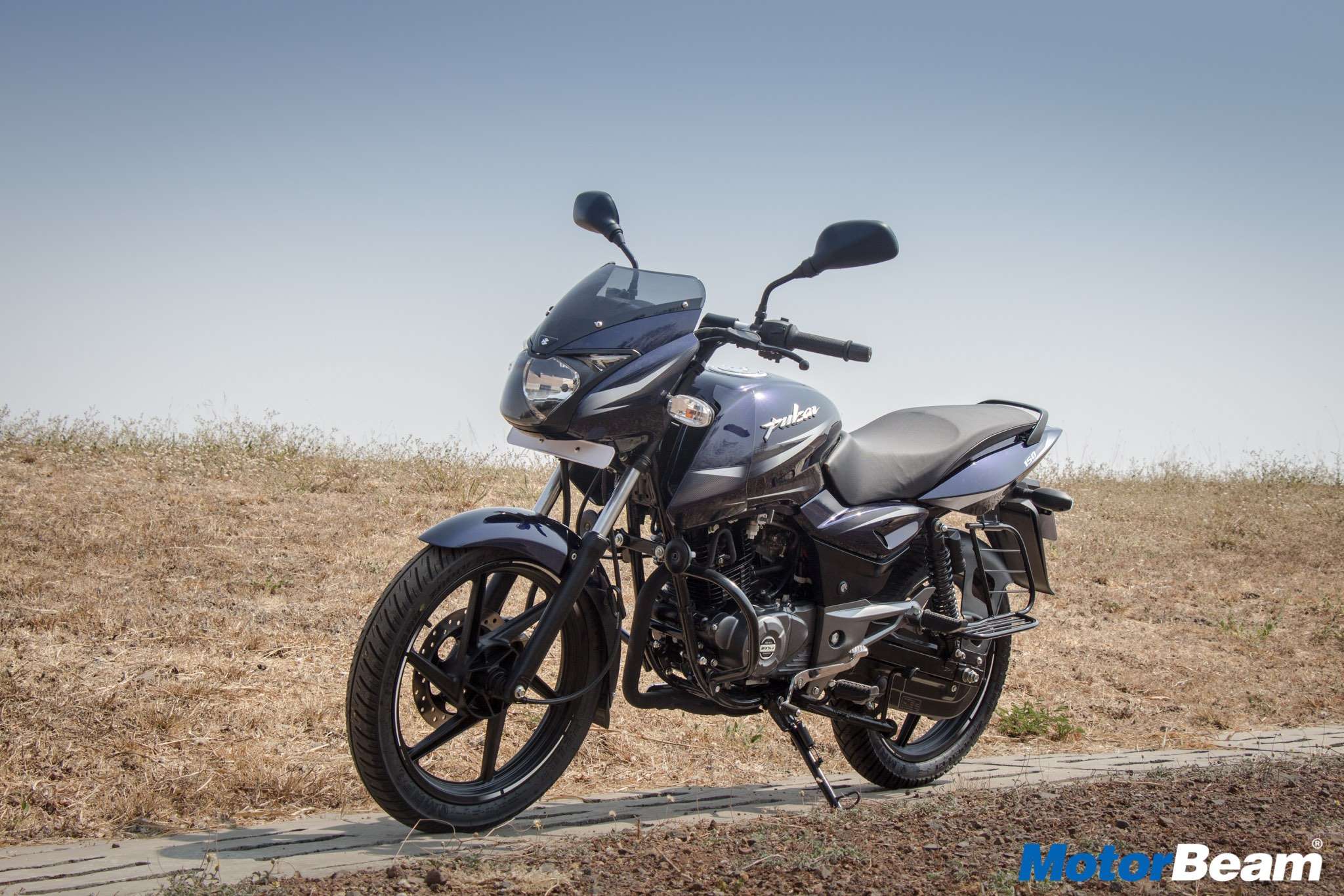
Next gen Pulsar Classic models expected in 2026 with new platform and updates
Bajaj Auto is preparing a significant overhaul of its long-running Pulsar Classic range, with a next generation update expected to arrive in 2026. The timing aligns with a major milestone for the brand, as the Pulsar completes 25 years in the Indian market next year.
Over the years, the Pulsar portfolio has expanded into multiple sub-families, including the N and NS/RS ranges. Despite this evolution, the Classic models continue to play a crucial role in sales volumes, particularly in the 125cc and 150cc segments. However, these motorcycles are also the oldest in terms of design and engineering, prompting Bajaj to plan a comprehensive refresh.
New platform likely for Pulsar Classic models
The upcoming update is expected to go beyond cosmetic changes. The next-generation Pulsar Classic motorcycles will be built on an all-new platform, marking the most substantial mechanical revision for this range in nearly two decades.
Currently, Classic Pulsars rely on a conventional double-cradle frame paired with twin rear shock absorbers. The new models are likely to adopt a more modern chassis layout, possibly featuring a monoshock rear suspension. This setup is already seen on newer Pulsar N models and is known to offer improved ride comfort and handling.
Engine updates expected, capacities likely unchanged
A change in chassis architecture could also lead to revisions under the hood. While specific technical details are not yet known, the engines may be updated to function as stressed members within the new frame. Despite these changes, Bajaj is expected to retain the familiar 125cc and 150cc engine capacities, given their strong acceptance and proven reliability in the market.
Design evolution rather than a radical shift
Design remains one of the key strengths of the Pulsar Classic range. The motorcycles still carry visual cues that trace back to the early 2000s, including the enduring ‘Wolf Eye’ headlamp theme that debuted nearly 20 years ago.
Rather than a complete redesign, Bajaj is expected to take an evolutionary approach. The next-generation models are likely to preserve the muscular stance and sharp body lines that define the Pulsar identity, while subtly modernising elements such as lighting and proportions. Features like LED lighting, updated digital instrument clusters and smartphone connectivity are also expected to be part of the upgrade.
Expected launch timeline and pricing
The refreshed Pulsar Classic lineup is anticipated to debut in the second half of 2026, with an August launch seen as likely to coincide with the festive sales period. Initially, the updated Pulsar 125 and Pulsar 150 are expected to lead the transition.
In terms of pricing, the new Pulsar 125 could start in the Rs. 80,000-90,000 range (ex-showroom), while the Pulsar 150 may be positioned between Rs. 1.05 lakh and Rs. 1.15 lakh, reflecting the extensive mechanical and feature upgrades.
If these updates materialise as expected, the next-generation Pulsar Classic range could play a key role in keeping the iconic nameplate relevant in an increasingly competitive commuter and premium commuter segment.