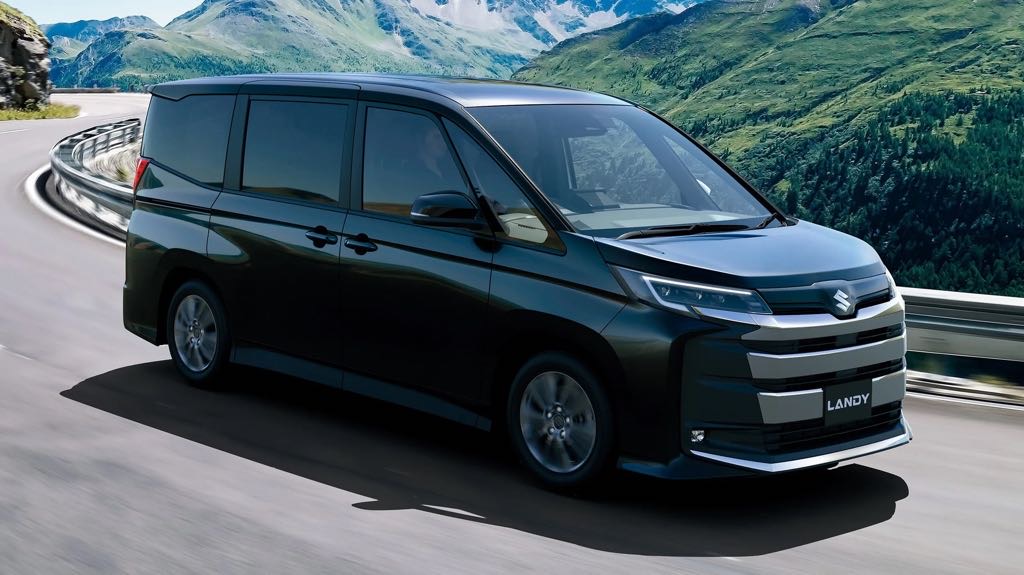
Suzuki has introduced the updated 2026 Landy minivan in Japan, bringing a series of feature revisions and a simplified powertrain lineup. The latest changes follow updates made earlier this year to its closely related Toyota Noah and Voxy counterparts.
The Landy has undergone a significant transformation in recent years. While earlier generations were based on the Nissan Serena, the current model shares its platform and much of its design with Toyota’s Noah. The refreshed version continues this approach while receiving several updates focused on practicality and efficiency.
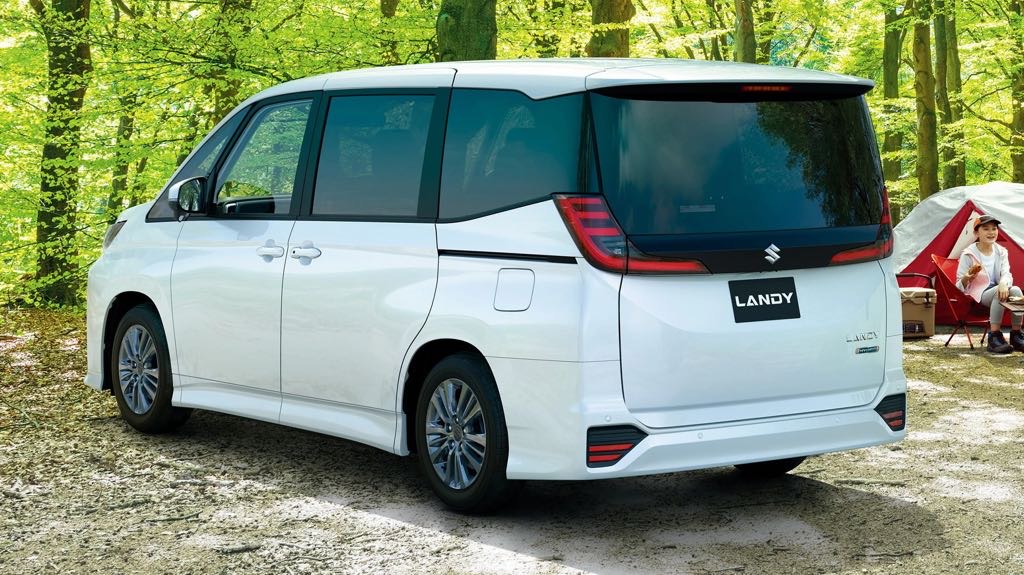
On the outside, the Landy retains its upright minivan proportions and large glass area designed to maximise cabin visibility. The front end features a prominent grille, slim daytime running lamps and redesigned bumper elements, while the rear continues with a straightforward design prioritising space and functionality. Buyers can choose from three exterior paint finishes.
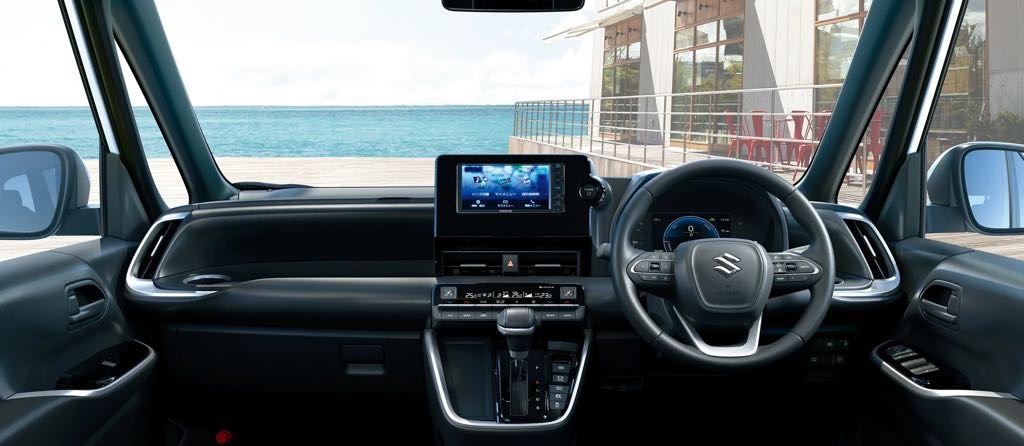
One of the key changes for 2026 is the introduction of an eight-seat configuration, expanding the vehicle’s passenger-carrying capability. The existing seven-seat version remains available. Inside the cabin, Suzuki has revised dashboard materials to improve perceived quality and fitted a larger instrument display. However, unlike some higher-spec Toyota Noah variants, the Landy does not offer larger digital displays as standard and continues to rely on optional infotainment accessories.
The biggest mechanical update is the discontinuation of the conventional petrol engine. The Landy is now available exclusively with a self-charging hybrid powertrain that combines a 1.8-litre petrol engine with an electric motor. The system produces approximately 138 PS and is paired with an e-CVT transmission.
Suzuki claims a fuel efficiency figure of 23.2 km/l for the hybrid model. Customers can choose between front-wheel drive and the E-Four all-wheel-drive system, which uses an additional electric motor to power the rear wheels. The AWD version also features a dedicated driving mode designed for snowy road conditions.
The move to a hybrid-only lineup mirrors changes already implemented on the Toyota Noah and Voxy, reflecting the industry’s increasing focus on fuel efficiency and emissions reduction.
In Japan, the updated Suzuki Landy is priced from JPY 3.84 million for the front-wheel-drive variant, while the all-wheel-drive version starts at JPY 4.12 million. Suzuki has set an annual sales target of 1200 units for the refreshed model.
The Landy competes in Japan’s midsize minivan segment against rivals such as the Honda StepWGN and Nissan Serena, while also sharing much of its engineering with Toyota’s Noah and Voxy.