India’s CAFE 3 norms will promote both electric and flex-fuel vehicles
India is preparing to revise its Corporate Average Fuel Efficiency (CAFE) regulations to support a broader range of cleaner vehicle technologies, including both electric and flex-fuel vehicles. Union Transport Minister Nitin Gadkari revealed the upcoming changes emphasising the country’s strategic shift toward energy security, reduced emissions and agricultural growth.
Currently governed by the CAFE 2 standards, which remain effective until March 2027, India’s fuel efficiency regulations mandate that passenger vehicles under 3500 kg must not exceed an average carbon dioxide emission of 113 grams per km. These norms apply to a carmaker’s entire fleet, encouraging manufacturers to improve fuel economy across all models.
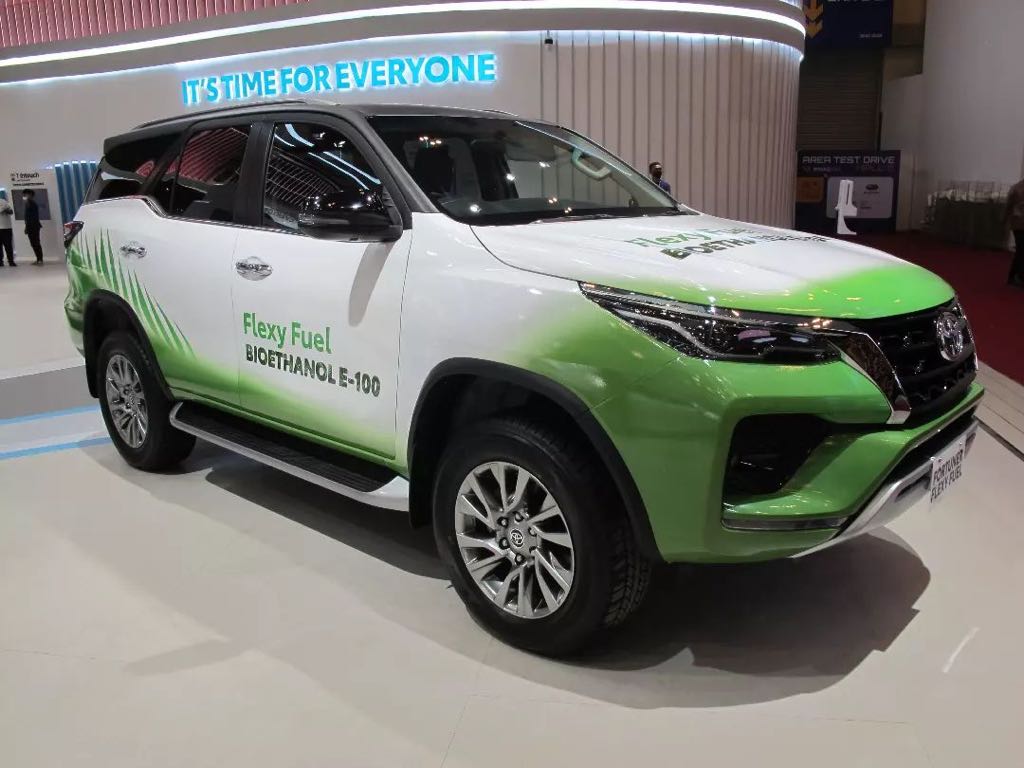
So far, the CAFE framework has favoured electric vehicles, providing them with regulatory advantages. However, the proposed CAFE 3 norms, slated to begin from April 2027, aim to bring a more balanced approach by also recognising the role of flex-fuel vehicles, particularly those running on ethanol blends such as E20 (20% ethanol, 80% petrol), already available at fuel stations across the country.
Gadkari stated that the revised norms would reflect India’s broader priorities: reducing crude oil imports, cutting vehicular pollution and promoting the use of ethanol derived from domestic crops. This move also aligns with efforts to support farmers and reduce the environmental impact of fossil fuels.
Key inter-ministerial discussions are ongoing to finalise the CAFE 3 draft, involving officials from the Ministry of Road Transport and Highways, the Ministry of Power and the Office of the Principal Scientific Adviser. The government has also sought feedback from automotive industry stakeholders, though some proposals, such as different treatment for large and small cars, remain contentious.
A technical challenge under review is ethanol’s lower energy content compared to petrol, which can increase fuel consumption and, potentially, CO2 emissions. To address this, India is evaluating Russian technology aimed at enhancing ethanol’s energy efficiency. Gadkari affirmed that the government’s long-term vision includes making 100% ethanol-powered vehicles a viable alternative.
Alongside fuel regulations, India is also preparing for future emissions standards similar to the Euro VII benchmarks. Gadkari recalled the successful implementation of BS-VI standards in 2020, noting that India’s current regulations rank among the strictest worldwide.
On the issue of old vehicle bans, especially in the National Capital Region (NCR), Gadkari acknowledged the legal complexities. However, he endorsed converting old petrol and diesel vehicles to cleaner alternatives like CNG as a practical solution. Existing rules ban petrol vehicles older than 15 years and diesel vehicles older than 10 years in the NCR, as mandated by the National Green Tribunal and upheld by the Supreme Court.
As India steers toward a diversified and cleaner automotive future, the upcoming CAFE 3 standards are expected to play a pivotal role in shaping how automakers adapt to evolving environmental and energy priorities.